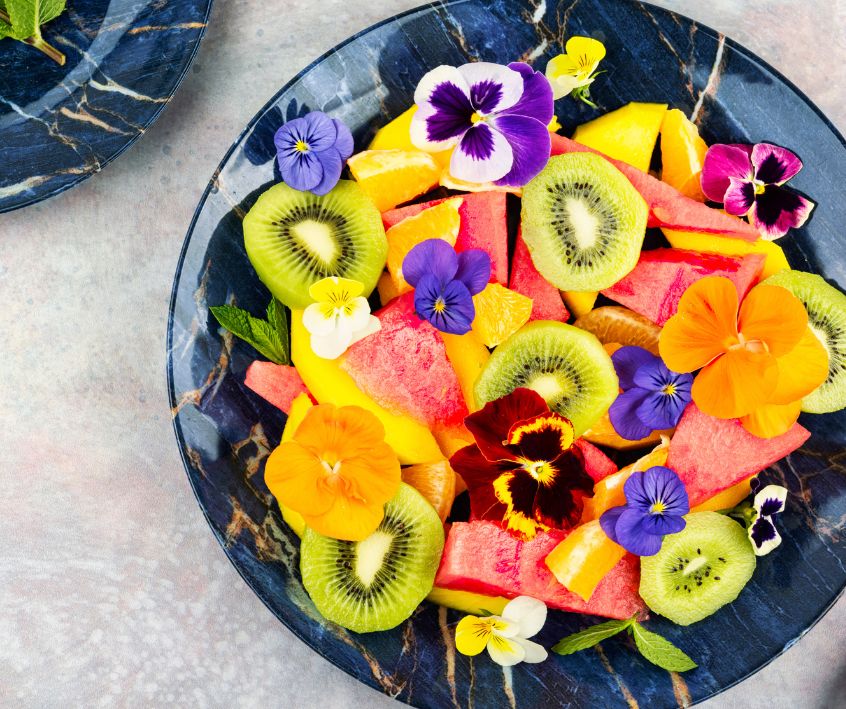
How to Create Stunning Salads with Edible Flowers
Calendula's Garden is reader suported This post may contain affiliate links, more on our Disclaimer page. Thank you!
I love when the growing season gets going. It brings a wonderful energy to the garden, filling the warm air with vibrant colors and the promise of fresh, crisp produce.
There is nothing quite like wandering outside with a harvest basket and gathering sun-ripened vegetables for an evening meal.
But if you want to take your gatherings to the next level, there is a secret ingredient growing right in your flower beds.
Edible flowers are a beautiful and delicious addition to almost any dish. For centuries, cooks have used blooms to add a splash of color, a hint of texture, and unique flavor profiles to their food.
From the peppery bite of a bright orange nasturtium to the sweet, delicate fragrance of a fresh rose petal, these garden treasures offer incredible variety.
They also bring subtle nutritional benefits, as many petals contain natural antioxidants and vitamins.
If you have ever felt intimidated by cooking with flowers, do not worry. It is much easier than you might think, and the results are absolutely stunning.
This guide will walk you through the basics of harvesting blooms safely, followed by five delightful salad recipes featuring edible flowers.
These dishes are perfect for your next backyard barbecue, a quiet patio lunch, or anytime you want to serve something truly special.
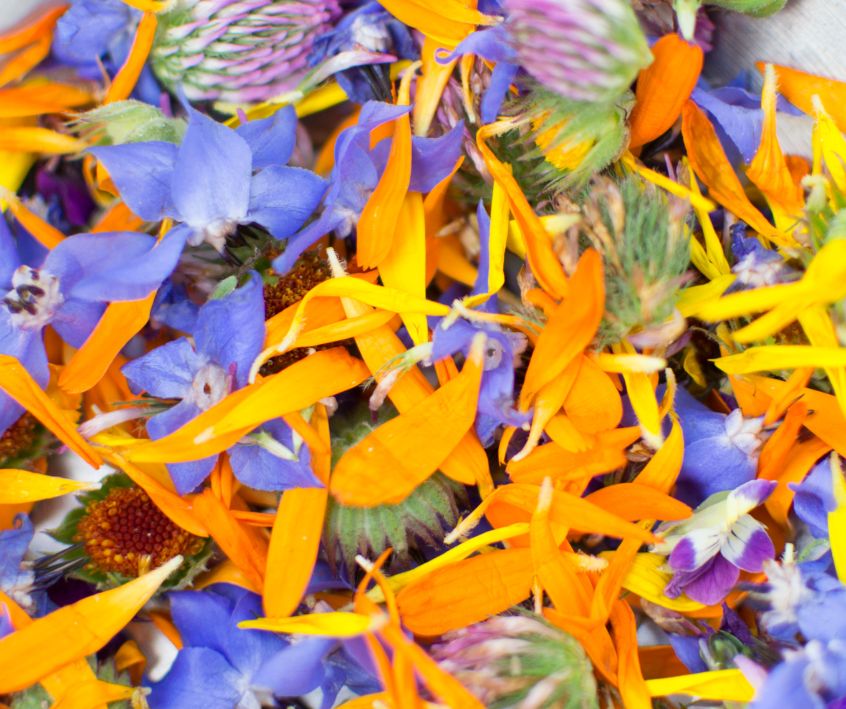
The Magic of Edible Flowers
Edible flowers are exactly what they sound like: blooms that are entirely safe and pleasant to eat.
They can be used as garnishes, blended into dressings, or tossed directly into your leafy greens.
Adding them to your cooking is a fantastic way to connect with nature and make the most of your backyard harvest.
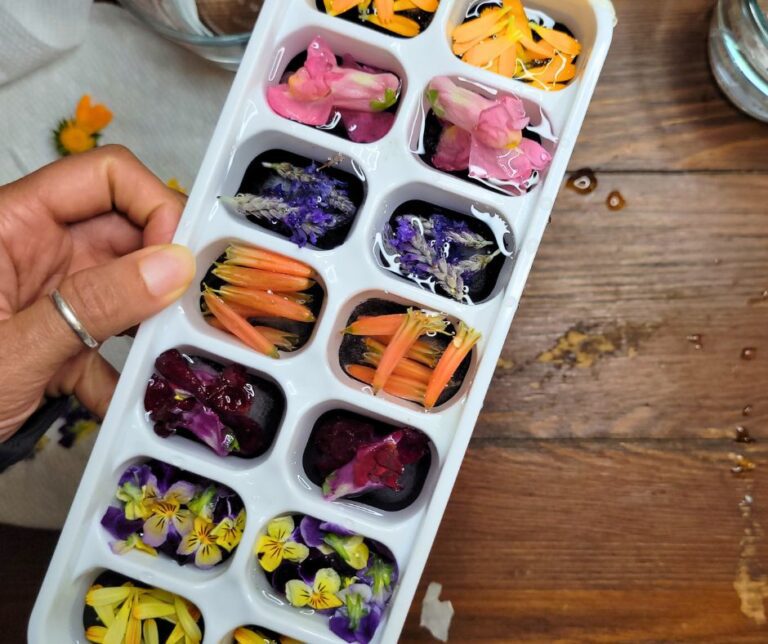
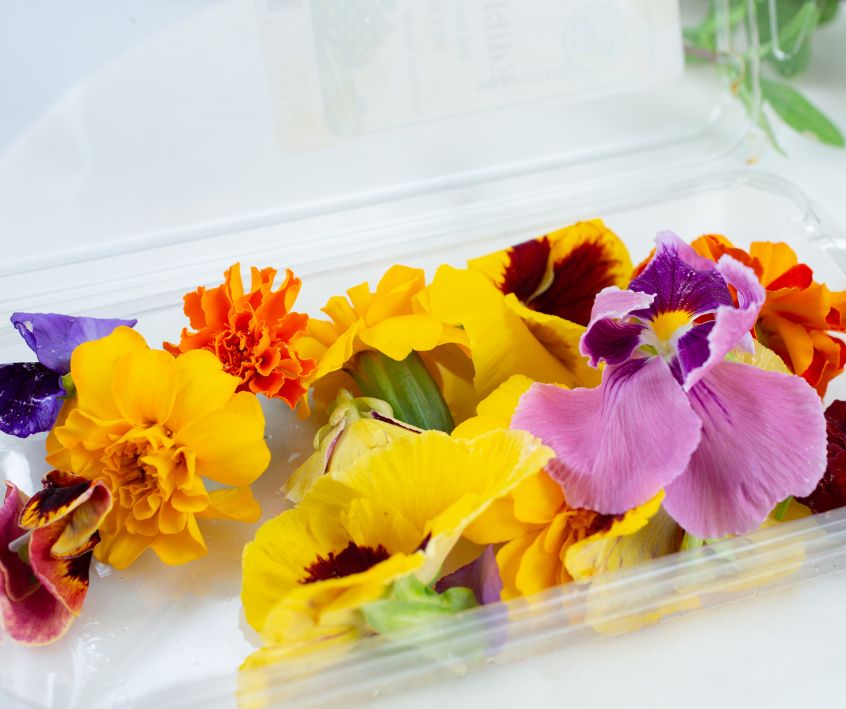
Some of the most common and delicious edible flowers include nasturtiums, pansies, calendula, borage, dianthus, violas, and rose petals.
Each brings its own distinct flavor. For example, borage offers a cooling, cucumber-like taste, while dianthus (often known as pinks) carries a subtle, clove-like spice.
Before you start picking, it is essential to follow a few simple safety precautions. First, only eat flowers that you are absolutely certain are edible.
If you are unsure, consult a reliable botanical reference. Second, never consume flowers found growing on the roadside or those purchased from a standard florist, as these are often treated with harmful chemical pesticides and preservatives.
The safest approach is to grow your own flowers using organic methods or purchase them from the culinary section of a reputable grocer or farmers market.
When you are ready to harvest, head out to the garden in the early morning after the dew has dried but before the hot afternoon sun wilts the petals.
Gently snip the blossoms and shake them to remove any tiny insects hiding inside. To store them, place the flowers on a damp paper towel inside an airtight container in the refrigerator.
They will stay crisp and fresh for a few days until you are ready to toss them into your favorite dishes.
Where to find seeds, plants, and supplies:
Sunshine Citrus & Nasturtium Salad
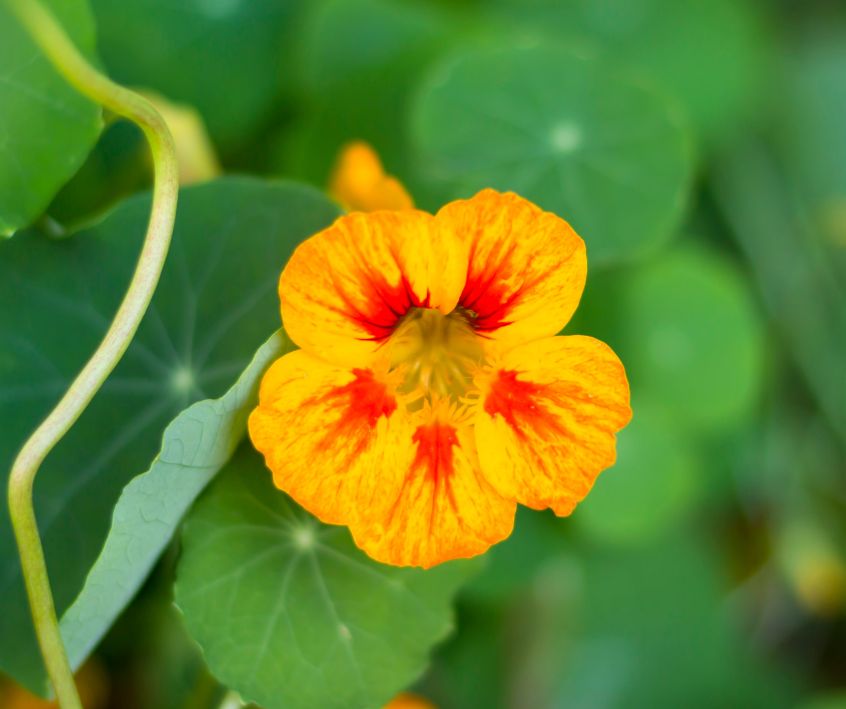
Nasturtiums are a gardener’s best friend. They grow easily, look cheerful, and pack a surprising peppery punch that tastes very similar to arugula or watercress. This bright, refreshing salad pairs that spicy kick with the sweet acidity of fresh citrus.
Ingredients
- 2 large oranges, peeled and segmented
- 1 grapefruit, peeled and segmented
- 6 cups mixed salad greens (such as butter lettuce and arugula)
- 1 ripe avocado, sliced
- 1/4 cup red onion, thinly sliced
- 1/2 cup crumbled feta cheese
- 10-12 fresh nasturtium flowers (and a few tender young leaves)
- 3 tablespoons extra virgin olive oil
- 1 tablespoon white wine vinegar
- Salt and freshly cracked black pepper to taste
Instructions
- In a small bowl, whisk together the olive oil, white wine vinegar, salt, and pepper to create a light vinaigrette. Set aside.
- In a large serving bowl, arrange the mixed greens as a base.
- Evenly distribute the orange and grapefruit segments, avocado slices, and red onion over the greens.
- Sprinkle the crumbled feta cheese across the top of the salad.
- Drizzle the vinaigrette lightly over the ingredients. Toss gently to combine if desired.
- Right before serving, arrange the fresh nasturtium flowers and leaves over the top. Serve immediately so the petals stay crisp.
Berry Beautiful Rose & Spinach Salad
Roses are classic, romantic, and completely edible. Their flavor is sweet and slightly fruity, making them an excellent companion for fresh summer berries. Dark red and pink roses tend to have the strongest flavor, but any pesticide-free rose will work beautifully here.
Ingredients
- 1 cup fresh strawberries, hulled and sliced
- 1/2 cup fresh blueberries
- 6 cups baby spinach, washed and dried
- 1/3 cup goat cheese, crumbled
- 1/2 cup candied pecans
- Petals from 1-2 clean, organic roses (white base of the petal snipped off, as it can be bitter)
- 3 tablespoons balsamic glaze
- 2 tablespoons extra virgin olive oil
Instructions
- Gently pull the petals from your rose blossoms. Use kitchen shears to snip away the tiny white base of each petal, then give them a gentle rinse and pat dry.
- In a large salad bowl, combine the baby spinach, strawberries, and blueberries.
- Add the crumbled goat cheese and candied pecans to the bowl.
- In a separate small jar, shake the extra virgin olive oil and a dash of salt and pepper. Pour this lightly over the spinach and berries, tossing gently.
- Scatter the prepared rose petals gracefully across the top of the salad.
- Finish by drizzling the thick balsamic glaze over the entire dish just before bringing it to the table.
Garden Harvest & Calendula Salad
Calendula, sometimes called pot marigold, is a staple in the herbal garden. The petals range from pale yellow to deep orange and have a mildly tangy, slightly bitter flavor that perfectly complements savory vegetables. This salad celebrates the peak of the summer vegetable harvest.
Ingredients
- 2 cups cherry tomatoes, halved
- 1 large English cucumber, diced
- 1 yellow bell pepper, chopped
- 1 cup fresh sweet corn kernels (cooked and cooled)
- 1 can (15 oz) chickpeas, rinsed and drained
- Petals from 3-4 fresh calendula flowers
- 1/4 cup fresh basil, chopped
- 1/4 cup olive oil
- 2 tablespoons fresh lemon juice
- 1 clove garlic, minced
- Salt and pepper to taste
Instructions
- Pull the calendula petals away from the center of the flower head. Discard the green centers.
- In a large bowl, combine the cherry tomatoes, cucumber, bell pepper, sweet corn, and chickpeas.
- In a small bowl, whisk the olive oil, fresh lemon juice, minced garlic, salt, and pepper to form the lemon-herb dressing.
- Pour the dressing over the vegetable mixture and add the chopped basil. Toss thoroughly to ensure all the vegetables are coated.
- Gently fold in half of the calendula petals.
- Transfer to a serving platter and garnish with the remaining calendula petals for a burst of golden color.
Herby Chicken & Viola Salad
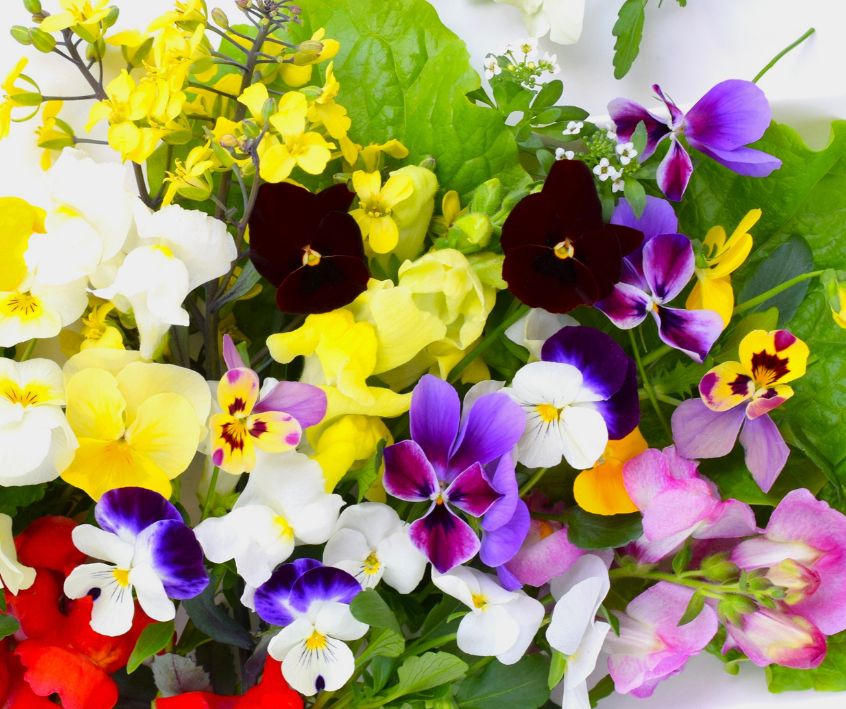
Violas are the charming, colorful cousins of the pansy. They have a very mild, slightly sweet, and grassy flavor. Because their taste is so delicate, they work exceptionally well in hearty meals where you want the visual impact of a flower without overpowering the main ingredients.
Ingredients
- 2 grilled chicken breasts, sliced
- 6 cups mixed greens (spring mix or baby romaine)
- 1/4 cup fresh dill, roughly chopped
- 1/4 cup fresh parsley, roughly chopped
- 1/2 cup sliced almonds or walnuts
- 12-15 fresh violas (whole flowers)
- 1/3 cup plain Greek yogurt
- 2 tablespoons mayonnaise
- 1 tablespoon apple cider vinegar
- 1 teaspoon Dijon mustard
- Salt and pepper to taste
Instructions
- Prepare the creamy dill dressing by whisking together the Greek yogurt, mayonnaise, apple cider vinegar, Dijon mustard, a pinch of salt, a pinch of pepper, and half of the fresh dill.
- Place the mixed greens in a large serving bowl. Add the remaining fresh dill and the parsley, tossing lightly.
- Arrange the grilled chicken slices evenly over the bed of greens.
- Sprinkle the sliced almonds or walnuts over the chicken and greens.
- Drizzle the creamy dressing generously over the salad.
- Carefully place the whole violas on top of the salad right before serving.
Mediterranean Quinoa & Borage Salad
Borage is a remarkable plant that produces striking, star-shaped blue flowers. These little blossoms taste remarkably like fresh cucumber, making them a refreshing addition to grain bowls and Mediterranean-inspired dishes.
Ingredients
- 2 cups cooked quinoa, completely cooled
- 1/2 cup Kalamata olives, pitted and halved
- 1/3 cup sun-dried tomatoes, drained and chopped
- 1/2 cup feta cheese, crumbled
- 1 small red onion, finely diced
- 15-20 fresh borage flowers
- 3 tablespoons extra virgin olive oil
- 2 tablespoons fresh lemon juice
- 1 teaspoon dried oregano
- Salt and pepper to taste
Instructions
- Ensure your cooked quinoa is fully cooled so it does not melt the cheese or wilt the flowers. Place it in a large mixing bowl.
- Add the Kalamata olives, sun-dried tomatoes, red onion, and crumbled feta cheese to the quinoa.
- In a small cup, mix the olive oil, lemon juice, dried oregano, salt, and pepper.
- Pour the dressing over the quinoa mixture and stir well so the grains soak up the flavors.
- Carefully pinch the blue borage stars from their fuzzy green backings.
- Gently fold half of the borage flowers into the quinoa. Scatter the remaining blue stars on top as a beautiful, cucumber-flavored garnish.
Bring Your Garden to the Table
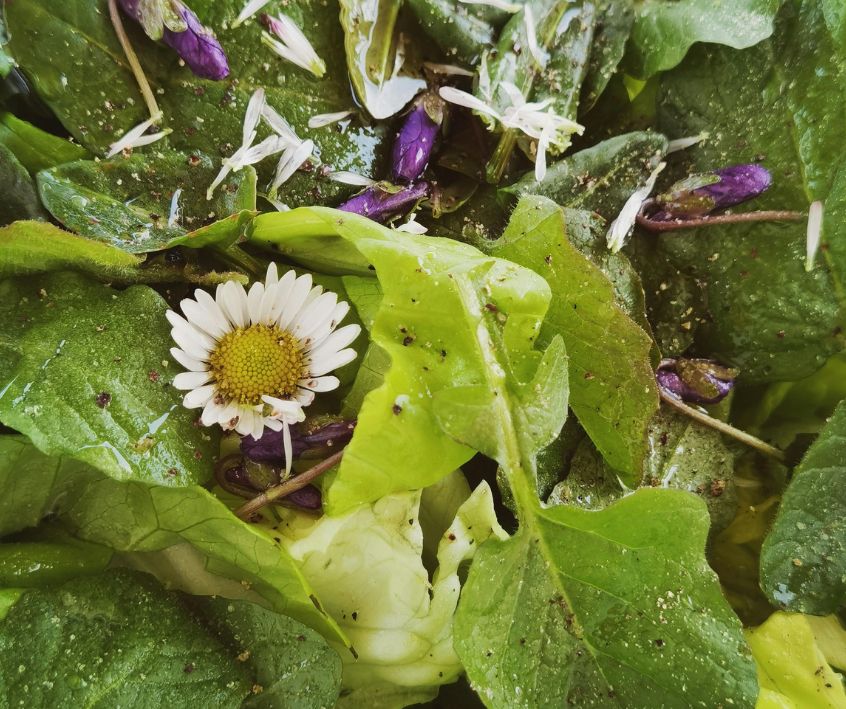
Incorporating edible flowers into your daily meals is a simple, joyous way to celebrate the season. You do not need to be a professional chef to make a dish look extraordinary.
A handful of nasturtiums or a sprinkle of rose petals can transform a standard bowl of greens into a culinary masterpiece.
Gardening and cooking are both wonderful ways to nourish yourself and share that warmth with others.
We highly encourage you to head outside, see what is blooming, and experiment with these flavors in your own kitchen.
Mix and match the dressings, swap out the greens, and find the combinations that you love the most.
Have you tried cooking with edible flowers before? We would love to see what you are harvesting and serving this season. Share your own edible flower salad creations with us in the comments below, and happy gardening!
Visit the Garden Resources page for supplies and inspiration. Don’t forget to subscribe to the Calendula’s Garden Newsletter for more gardening tips.
Calendula’s Garden is reader supported. When you buy through links on our site, we may earn an affiliate commission. As an Amazon Associate, I earn from qualifying purchases. For more information, view our Disclaimer page. Thank you!