Secrets to Planting and Caring for Ornamental Onions
Calendula's Garden is reader suported This post may contain affiliate links, more on our Disclaimer page. Thank you!
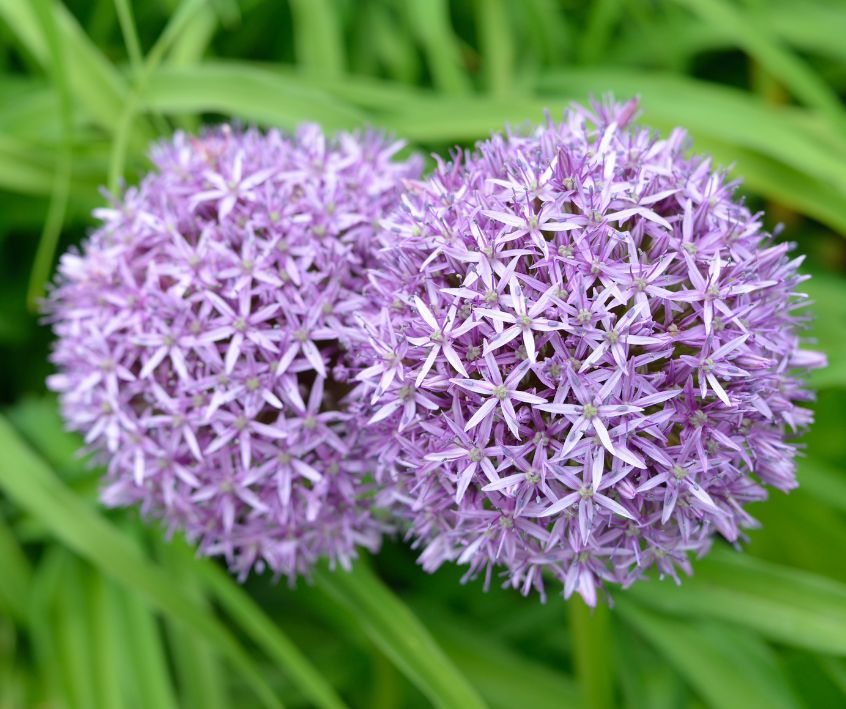
Have you ever walked past a garden and spotted those magnificent, globe-shaped purple flowers that look like they belong in a Dr. Seuss book?
Those are Alliums, commonly known as ornamental onions. If you have been admiring these architectural beauties from afar, you are in the right place.
Growing your own stunning floral globes is incredibly rewarding and surprisingly easy, even if you are just starting your gardening journey.
Alliums are tough, forgiving, and practically maintain themselves once established. Plus, they bring a magical, whimsical quality to any space they touch.
In this guide, we are going to walk through everything you need to know about growing ornamental onions. From choosing the perfect spot in your flower beds to planting them in patio containers, you will learn exactly how to help these wonderful bulbs thrive.
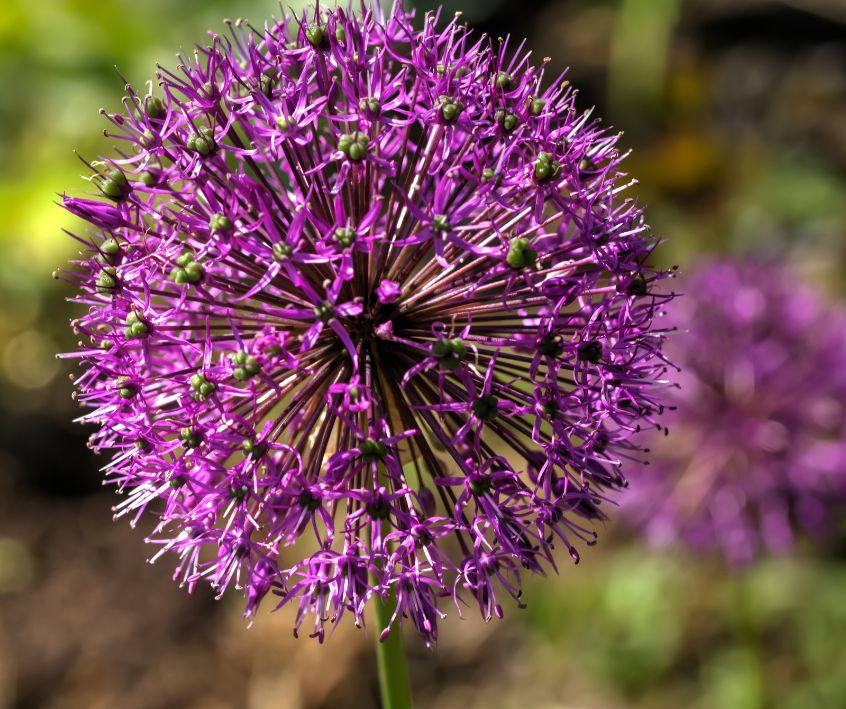
Alliums Characteristics Table
| Characteristic | Description |
| Common Name | Ornamental Onion, Allium |
| Botanical Name | Allium spp. (includes varieties like Allium giganteum, Allium cristophii, and ‘Globemaster’) |
| Plant Type | Bulbous perennial |
| USDA Hardiness Zones | Zones 3–9 (varies by specific species and cultivar) |
| Mature Height | 6 inches to 5 feet (varies significantly; dwarf varieties are short, while giant varieties tower over the garden) |
| Mature Spread | 6 to 12 inches (clumps may widen over time) |
| Light Requirements | Full sun (at least 6 hours of direct sunlight is best for strong stems and large blooms; can tolerate light shade) |
| Moisture Requirements | Low to moderate; prefers moisture during active growth but requires dry soil during dormancy (summer/winter) to prevent bulb rot. Drought tolerant once established. |
| Soil Preference | Sandy or gritty, exceptionally well-drained soil; neutral to slightly acidic pH (6.0–7.0). Intolerant of heavy, waterlogged clay. |
| Bloom Time | Late spring to early summer (produces dramatic, spherical flower heads in purple, blue, white, or pink) |
| Ecological Benefits | Highly attractive to bees and butterflies; deer and rabbit resistant due to the faint onion scent of the foliage. |
Getting to Know Your Ornamental Onion
Alliums are part of a massive plant family that includes your kitchen staples like garlic, chives, and culinary onions.
But while their edible cousins belong in the vegetable patch, ornamental Alliums belong front and center in the flower garden.
Originating from dry, mountainous regions of the Northern Hemisphere, these plants have evolved to be incredibly resilient.
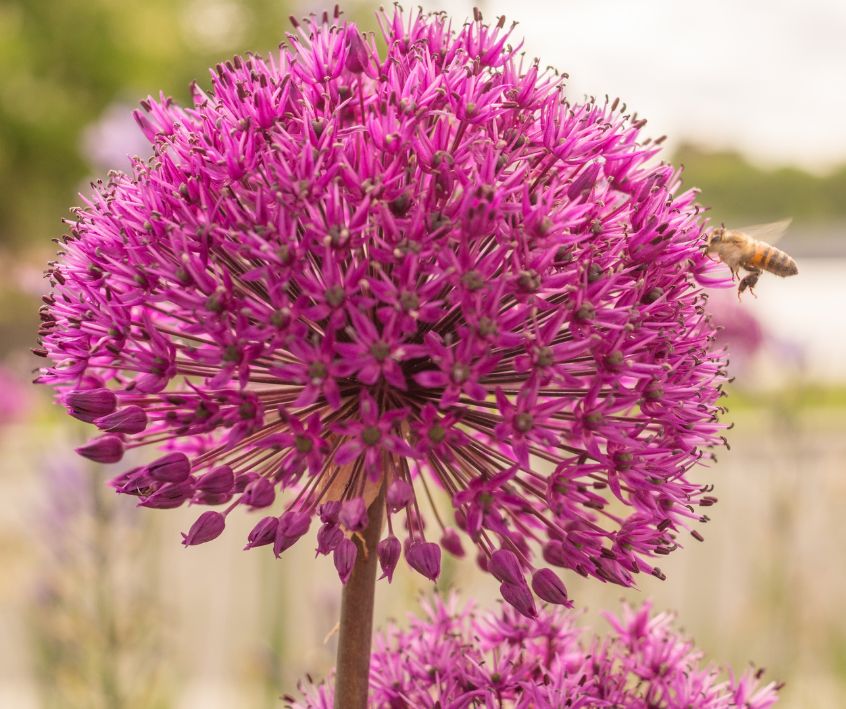
Why should you grow Alliums? For starters, they offer unparalleled beauty with their striking spherical flower heads hovering on tall, leafless stems.
They are also notoriously easy to care for, drought-tolerant, and naturally deer and rabbit resistant. Those hungry critters simply do not care for the faint oniony scent of the leaves! Plus, they are absolute magnets for friendly pollinators.
You will find a wide variety of types suitable for home gardens. The ‘Purple Sensation’ is a classic favorite for its vibrant color and reliability.
If you want a true showstopper, the giant ‘Globemaster’ produces flower heads the size of a volleyball. For smaller spaces, delicate varieties like Allium moly bring cheerful yellow star-shaped flowers closer to the ground.
Your Step-by-Step Growing Guide
Choosing the Perfect Spot
Alliums are sun-worshippers. To get the strongest stems and brightest blooms, plant them in a location that receives full sun, meaning at least six hours of direct sunlight each day.
They also need well-draining soil. Because they grow from bulbs, sitting in waterlogged, soggy earth will cause them to rot.
If you have heavy clay soil, mix in some compost and sand to improve the drainage before planting.
Planting the Bulbs
Fall is the perfect time to plant Allium bulbs, right before the ground freezes. A good rule of thumb is to plant the bulb at a depth that is roughly three times its height.
So, if you have a two-inch bulb, dig a hole about six inches deep. Place the bulb in the hole with the pointy side facing up.
Space smaller varieties about four inches apart, and give the giant types about eight to ten inches of breathing room.
Simple Care and Watering Tips
Once planted, Alliums ask for very little. Water them well right after planting to help them settle.
During the spring growing season, they prefer moderate moisture. However, once they start blooming and heading into summer dormancy, they prefer to be kept relatively dry.
You can add a balanced, slow-release organic fertilizer when shoots first appear in spring, but rich soil often provides all the nutrients they need.
Troubleshooting Common Issues
Ornamental onions are wonderfully pest-free. The most common issue you might encounter is bulb rot from overly wet soil.
Ensure good drainage to prevent this entirely. Occasionally, you might spot some onion flies or downy mildew, but keeping the planting area clean and ensuring good air circulation usually keeps these minor problems at bay.
Design and Placement Ideas
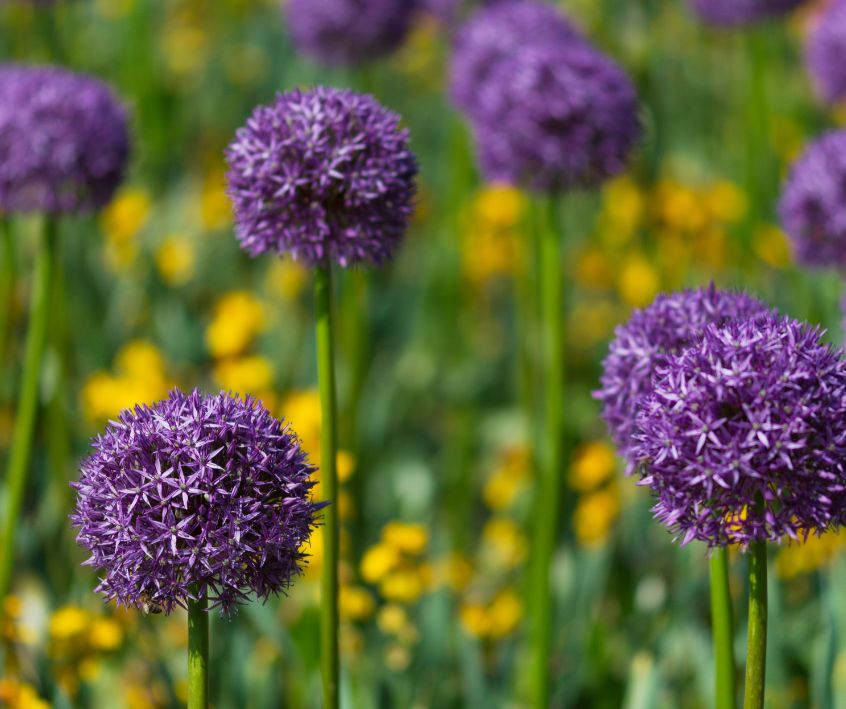
Integrating Alliums into Flower Beds
Because Allium foliage tends to fade and look a bit messy just as the flowers burst into bloom, placement is key.
Plant them in the middle or back of your borders. This way, the fading lower leaves are hidden by the fresh spring growth of surrounding plants, while the tall flower globes pop up above the canopy.
Companion Planting
Pair your ornamental onions with plants that have low, bushy foliage. Hostas, hardy geraniums, and lady’s mantle are fantastic companions because they neatly cover the base of the Allium stems.
They also look phenomenal rising through a sea of ornamental grasses, creating a stunning contrast in textures.
Using Alliums as Cut Flowers
Do you love bringing the garden indoors? Alliums make fantastic cut flowers. Cut them just as the florets begin to open.
Do not worry about the faint onion scent; it dissipates very quickly once the stems are placed in water.
Container Gardening Success
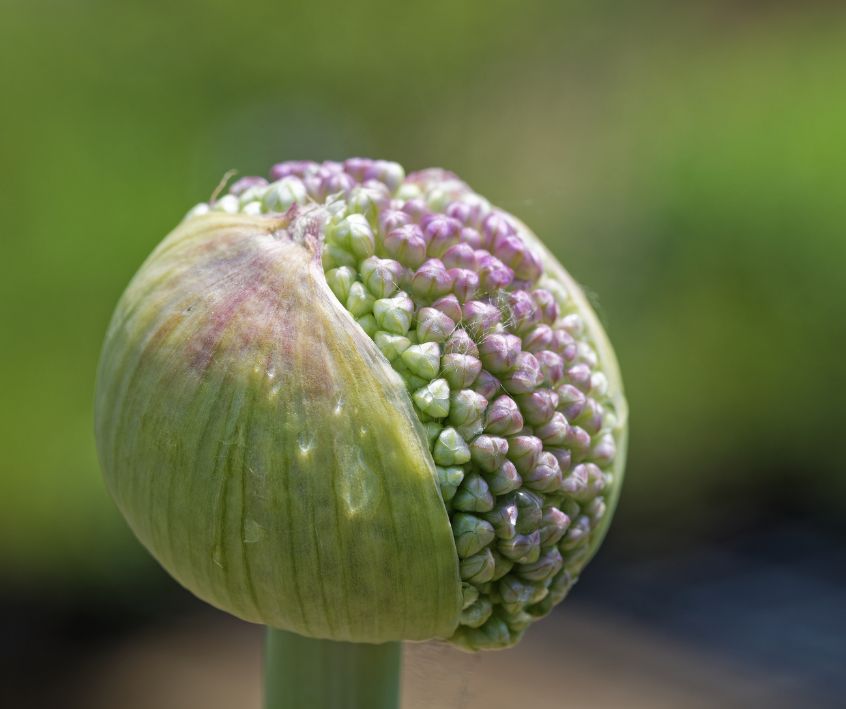
Choosing Pots and Mix
If you are short on garden space, Alliums thrive in pots! Choose a deep container with plenty of drainage holes at the bottom.
Fill it with a high-quality, well-draining potting mix. Adding a handful of perlite or coarse sand can help ensure the soil never stays too wet.
Planting and Care in Containers
Plant the bulbs at the same depth you would in the ground, but you can place them a bit closer together in a pot for a fuller display.
Potted plants dry out faster than those in the ground, so check the soil moisture regularly in spring.
Overwintering Potted Alliums
Bulbs in pots are more exposed to winter cold than those tucked safely underground. If you live in an area with harsh, freezing winters, move your pots to an unheated garage or shed to protect them from extreme temperature swings, bringing them back out when spring thaws the air.
Benefits for Pollinators
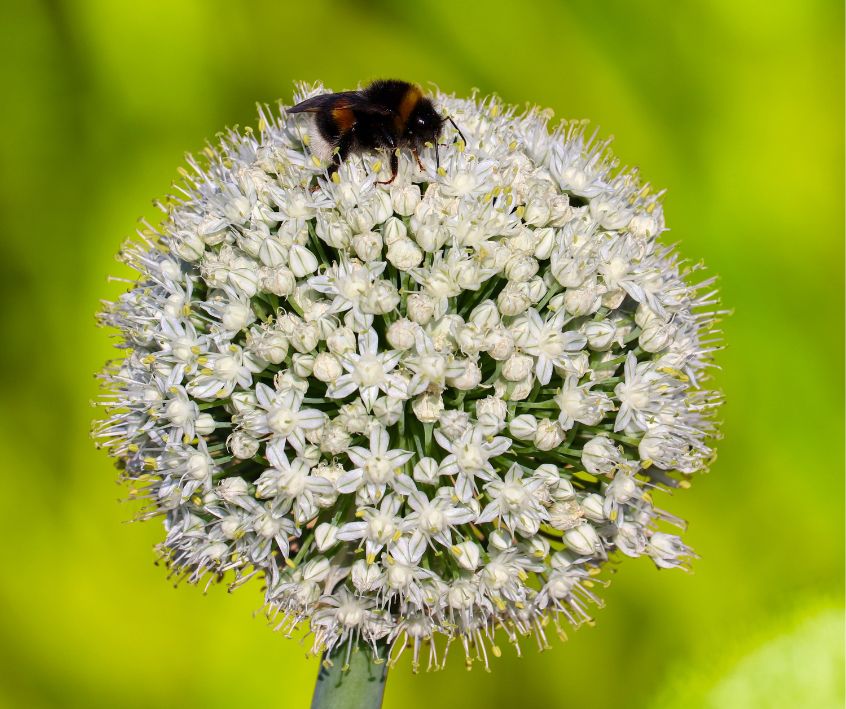
Watching a garden come alive with buzzing wings is one of the greatest joys of gardening. When your Alliums bloom in late spring to early summer, they bridge the gap between early spring flowers and the main summer rush.
Their globe-like flower heads are actually made up of dozens of tiny, star-shaped flowers packed with accessible nectar. You will frequently see bumblebees, honeybees, and butterflies happily dancing across the spheres.
By planting these bulbs, you are doing a wonderful service for your local ecosystem, providing essential food for beneficial insects when they need it most.
Enjoying Your Alliums Beyond the Bloom
After the Flowers Fade
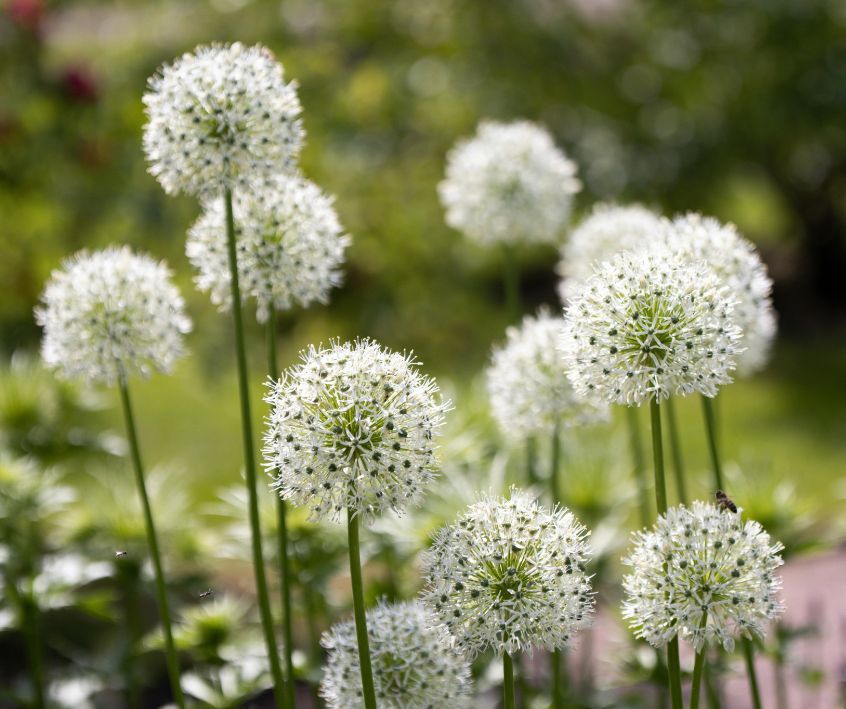
Once the vibrant color fades, you have a choice. You can cut the flower stalks down to tidy up the garden (deadheading). Alternatively, many gardeners leave the seed heads standing.
They dry into beautiful, structural starbursts that add architectural interest to the late summer and autumn garden.
Just leave the green leaves alone until they turn completely brown. The plant needs them to photosynthesize and store energy for next year’s blooms.
Simple Propagation
After a few years, your Allium bulbs will naturally multiply, creating small offsets.
If your plants seem crowded or produce smaller flowers, you can carefully dig them up in late summer or early autumn after the foliage has died back.
Gently separate the smaller bulbs from the main one and replant them elsewhere. It is an easy way to get free plants!
Your Allium Journey Begins!
Growing ornamental onions is a low-effort, high-reward project that brings instant joy and architectural flair to any outdoor space.
From their rugged resilience to their undeniable appeal to bees and butterflies, there is every reason to make room for them in your flower beds or patio pots.
Have you decided which variety you are going to try first? Whether you go for the massive ‘Globemaster’ or the charming ‘Purple Sensation’, your garden is about to get a major upgrade. Grab your trowel, find a sunny spot, and enjoy the magical results. Happy planting!
Visit the Garden Resources page for supplies and inspiration. Don’t forget to subscribe to the Calendula’s Garden Newsletter for more gardening tips.
Calendula’s Garden is reader supported. When you buy through links on our site, we may earn an affiliate commission. As an Amazon Associate, I earn from qualifying purchases. For more information, view our Disclaimer page. Thank you!