Hydrogen Peroxide Garden Tips and Tricks for Lush, Healthy Plants
Calendula's Garden is reader suported This post may contain affiliate links, more on our Disclaimer page. Thank you!
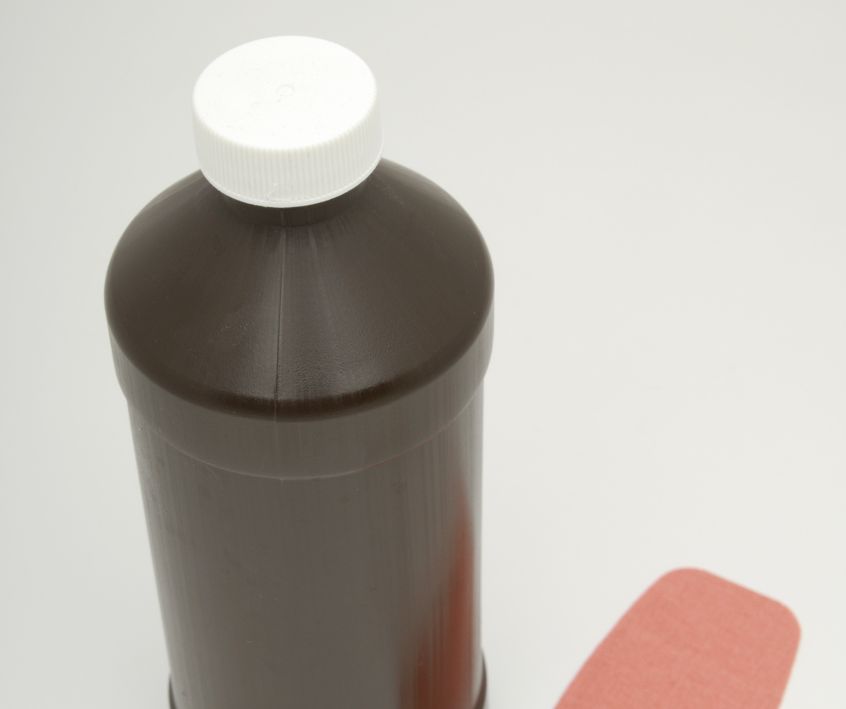
Have you ever looked at that little brown bottle of hydrogen peroxide in your medicine cabinet and wondered if it could do more than just clean a scraped knee?
It turns out, this common household staple is actually a fantastic, eco-friendly tool for your garden.
Hydrogen peroxide is simply water with an extra oxygen molecule attached to it. Its chemical formula is H2O2.
That extra oxygen atom makes it highly reactive, which is exactly why it bubbles up on a cut. When applied to your garden, that same bubbling action works wonders for the soil, roots, and overall plant health.
Plus, it breaks down entirely into water and oxygen, leaving no harmful chemical residue behind.
If you are looking for a simple, accessible way to boost your plants and keep pests at bay, you are in the right place. Let’s explore how you can safely and effectively use hydrogen peroxide in your own backyard.
Why Your Plants Will Love Hydrogen Peroxide
Before we start mixing up sprays, it helps to understand exactly what hydrogen peroxide does for your plants. It acts as a powerful oxygenator and a mild antiseptic, which provides a few major benefits.
Soil aeration and root health
Plant roots need oxygen to survive and thrive. Compacted or waterlogged soil often suffocates roots, leading to a condition called root rot.
When you introduce a diluted hydrogen peroxide solution into the soil, it releases oxygen gas.
This aerates the soil from the inside out, giving those roots the fresh air they desperately need to absorb nutrients effectively.
Pest and disease control
That extra oxygen atom is highly destructive to certain types of unwanted garden guests. Fungal spores and harmful bacteria struggle to survive in high-oxygen environments.
A light application of hydrogen peroxide can disrupt their growth, helping to keep diseases like root rot and powdery mildew in check.
Seed germination and seedling growth
Starting plants from seeds is incredibly rewarding, but it can be frustrating when seeds refuse to sprout.
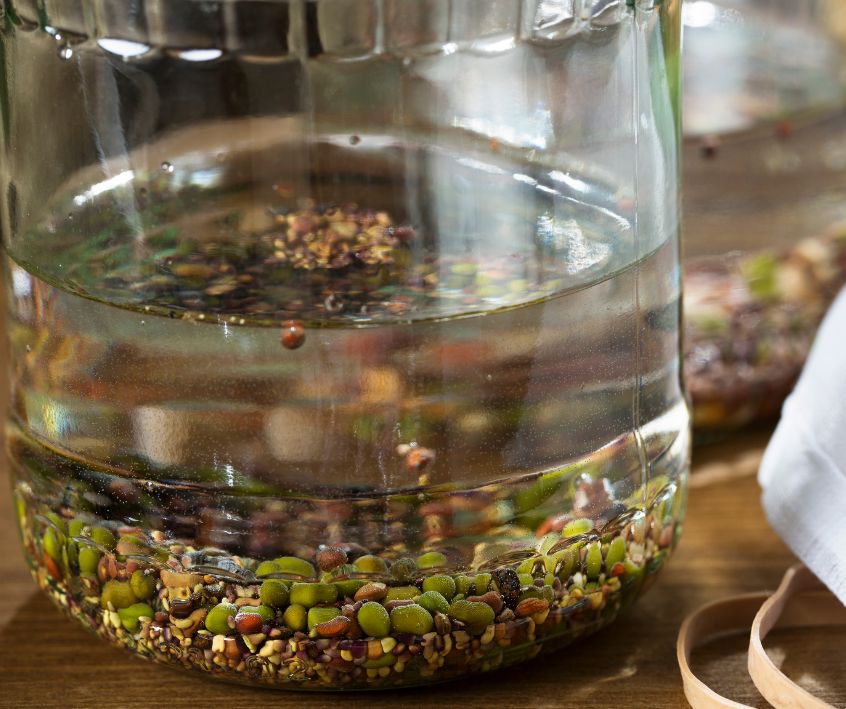
Soaking seeds in a highly diluted hydrogen peroxide solution softens the tough outer seed coat.
It also eliminates any lingering mold or bacterial spores on the seed surface, giving your baby plants a much healthier start.
How to Use Hydrogen Peroxide in Your Garden
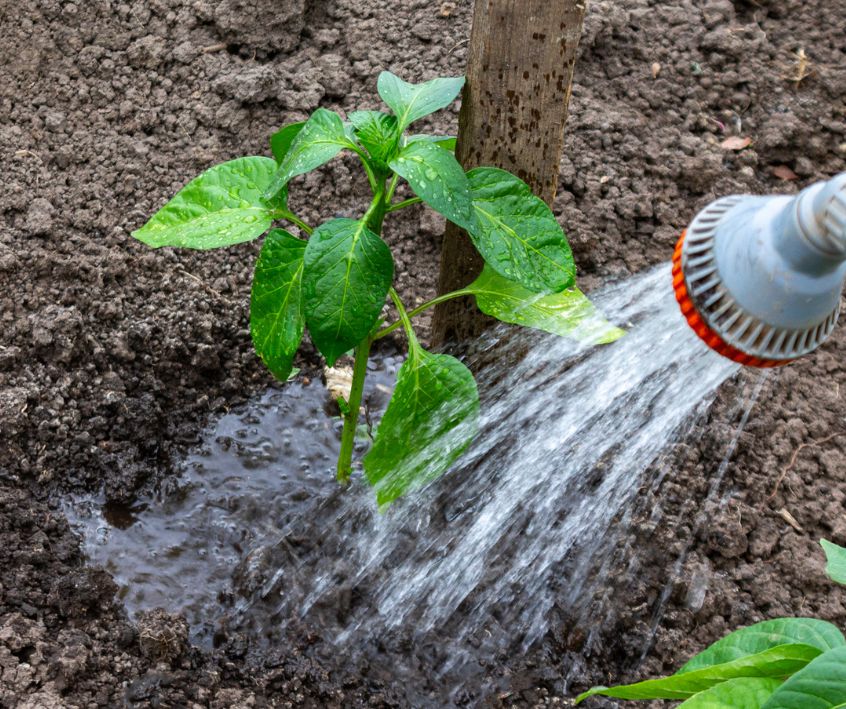
You should never pour straight hydrogen peroxide directly onto your plants.
The standard 3% solution found in most drugstores is too strong on its own and can easily burn delicate plant tissue. Dilution is the secret to success.
Proper dilution ratios
Getting the mixture right ensures your plants get the benefits without any accidental damage. Always start with standard 3% hydrogen peroxide.
For general plant health: Mix 1 tablespoon of 3% hydrogen peroxide per cup of water. If you are mixing a larger batch, use about 1/2 cup of peroxide per gallon of water.
For pest and disease treatment: You can make a slightly stronger solution. Mix 2 to 3 tablespoons of hydrogen peroxide per cup of water.
For seed germination: Add just 1 teaspoon of hydrogen peroxide to a cup of warm water.
Application methods
Once you have your mixture ready, how do you apply it? Here are the three most common methods.
Soil drench
Pour the general health dilution directly onto the soil around the base of your plants. This is the best method for treating root rot and aerating compacted soil. Let the soil dry out slightly before your next regular watering.
Foliar spray
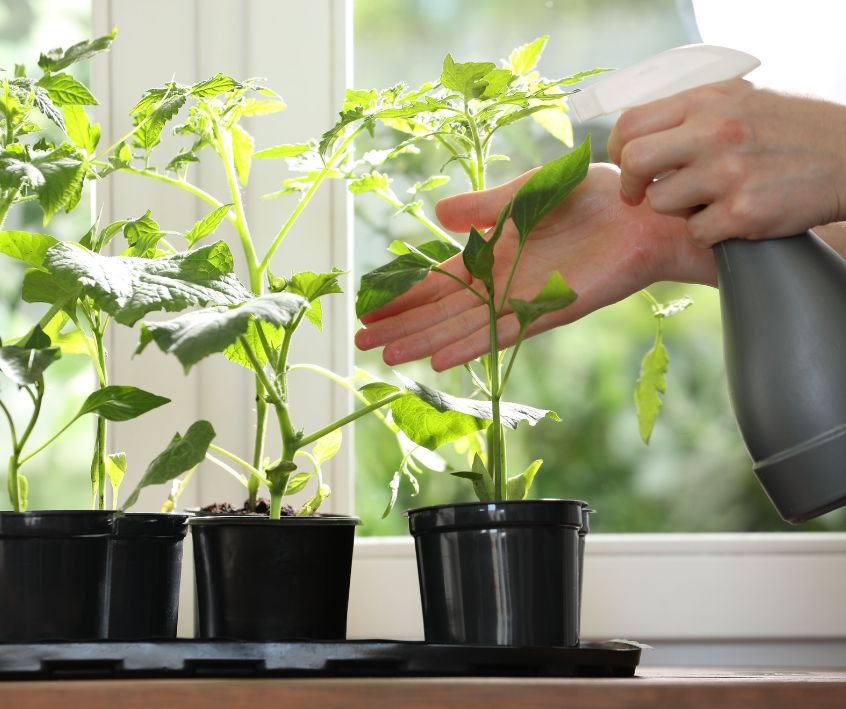
Put the pest and disease dilution into a clean spray bottle. Lightly mist the leaves and stems of affected plants. Try to do this early in the morning or late in the evening so the sun does not burn the wet leaves.
Seed soak
Place your seeds in a small bowl with the seed germination mixture. Let them soak for 30 minutes, rinse them thoroughly with plain water, and plant them immediately.
Targeted Treatments for Common Garden Woes
Sometimes you need a specific recipe for a specific problem. Here is how to tackle a few of the most annoying garden issues.
Fungus gnats and other soil pests
Fungus gnats love damp soil, and their larvae feed on delicate plant roots. To stop them, let the top two inches of your soil dry out completely.
Then, thoroughly water the plant with a soil drench of the general health dilution. The peroxide will kill the larvae on contact while giving the roots an oxygen boost.
Powdery mildew and other fungal diseases
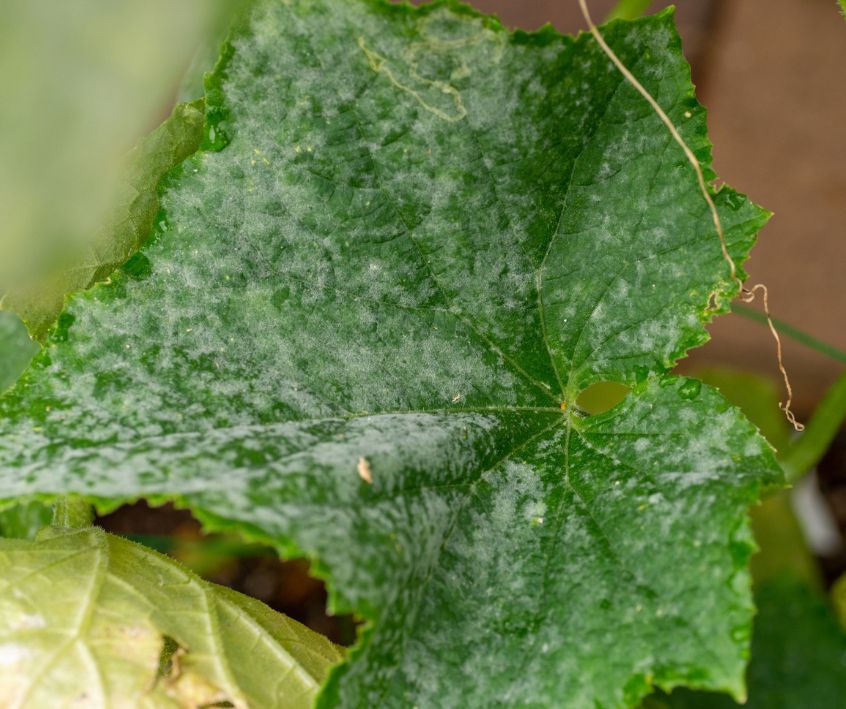
If you notice a white, powdery dusting on your squash or rose leaves, fungus is to blame. Use the foliar spray method to coat the affected leaves completely.
The peroxide will kill the fungal spores and prevent them from spreading to neighboring plants.
Boosting stressed plants
Have a potted plant that looks a little sad after being overwatered? A gentle soil drench can act as a quick pick-me-up.
The sudden influx of oxygen helps the roots recover from the stress of being waterlogged.
Precautions and Best Practices
While hydrogen peroxide is incredibly helpful, it still requires a gentle touch. Keep these simple rules in mind.
First, avoid over-application. Using hydrogen peroxide too frequently can actually harm the beneficial microbes living in your soil.
Save it for occasional treatments or specific problems rather than using it every time you water.
Second, store it properly. Hydrogen peroxide degrades rapidly when exposed to light, which is why it comes in dark brown bottles.
Always store your peroxide in a cool, dark place, and only mix as much diluted solution as you plan to use right away.
Finally, always test on a small area first. Before you spray down an entire tomato plant, mist a single leaf and wait 24 hours. If the leaf looks healthy the next day, you are safe to treat the rest of the plant.
Ready to Give Your Garden an Oxygen Boost?
Hydrogen peroxide is an inexpensive, accessible, and environmentally friendly tool that deserves a spot in your gardening shed.
From fighting off pesky fungus gnats to saving overwatered houseplants, it solves a variety of common problems simply by adding a little extra oxygen to the mix.
Next time you are facing a gardening challenge, grab that little brown bottle and mix up a simple solution. Your plants will thank you for the extra breath of fresh air.
Visit the Garden Resources page for supplies and inspiration. Don’t forget to subscribe to the Calendula’s Garden Newsletter for more gardening tips.
Calendula’s Garden is reader supported. When you buy through links on our site, we may earn an affiliate commission. As an Amazon Associate, I earn from qualifying purchases. For more information, view our Disclaimer page. Thank you!