15 Must Have Plants Perfect for Your Cottage Garden Design
Calendula's Garden is reader suported This post may contain affiliate links, more on our Disclaimer page. Thank you!
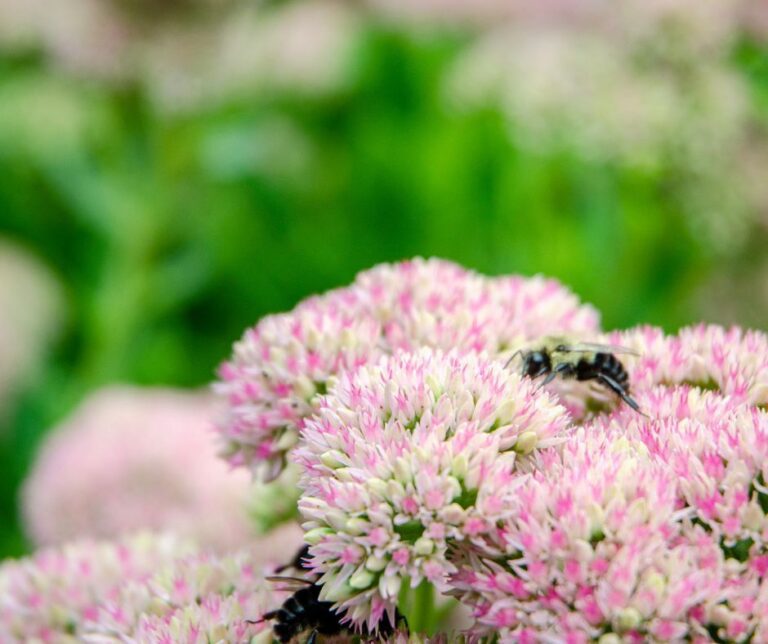
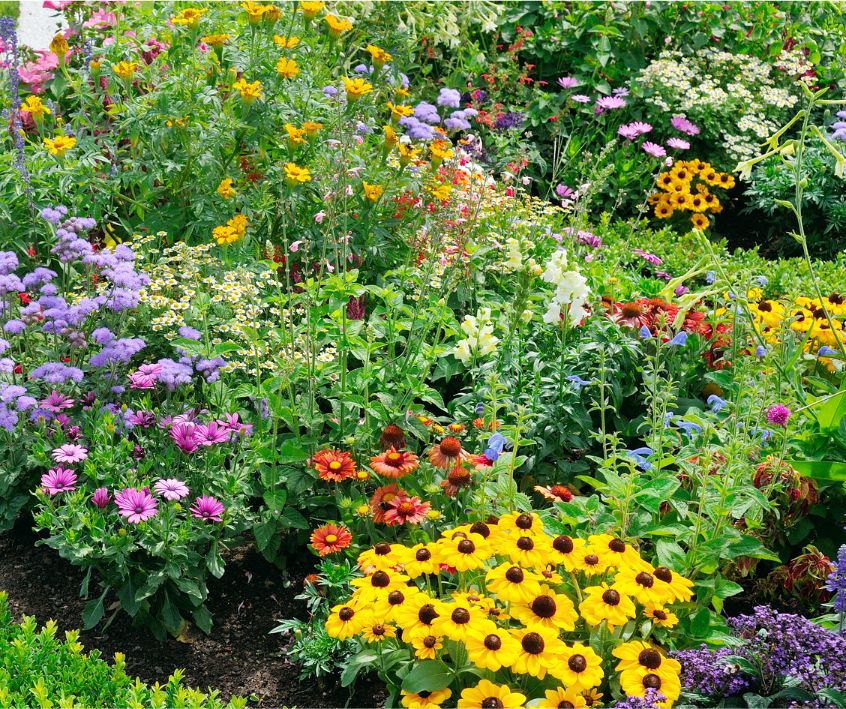
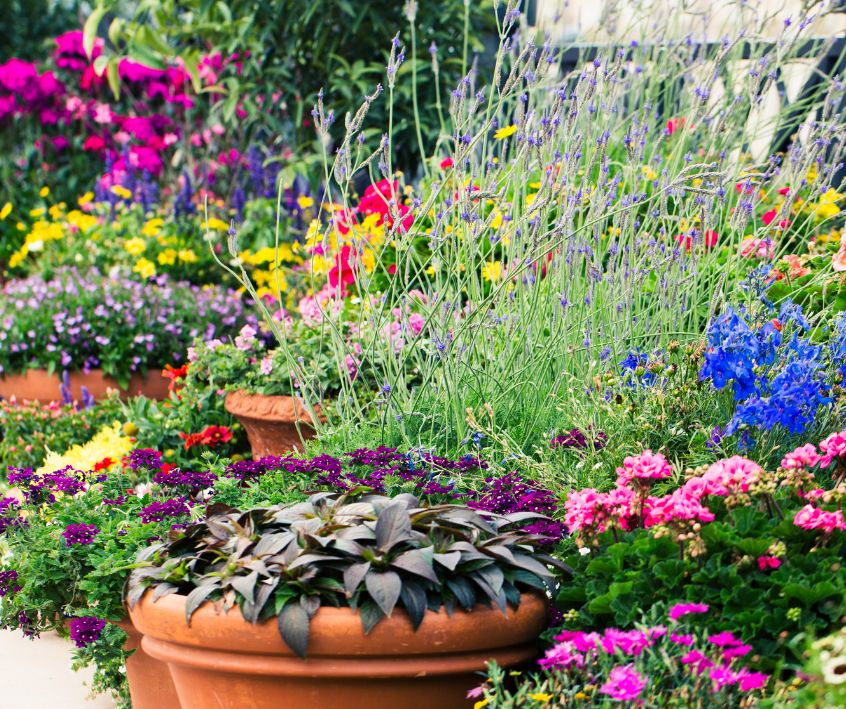
A cottage garden possesses an enchanting charm that’s impossible to resist. It’s a welcoming retreat bursting with vibrant colors, tantalizing fragrances, and lush textures, where flowers and greenery cascade over pathways and the cheerful buzz of bumblebees fills the air.
Unlike formal gardens that demand strict structure and rigid maintenance, the cottage style embraces a bit of chaos. It’s romantic, practical, and forgiving, making it the perfect style for beginner gardeners looking to embrace sustainability and biodiversity.
If you’ve been dreaming of transforming your backyard into a pollinator paradise that looks like it stepped out of a storybook, you’re in the right place. Let’s explore the essential plants that define this timeless style and how you can cultivate your own slice of heaven.
The Charm of the Cottage Garden
Historically, cottage gardens were born out of necessity. In rural England, cottage dwellers didn’t have the luxury of space for purely decorative lawns.
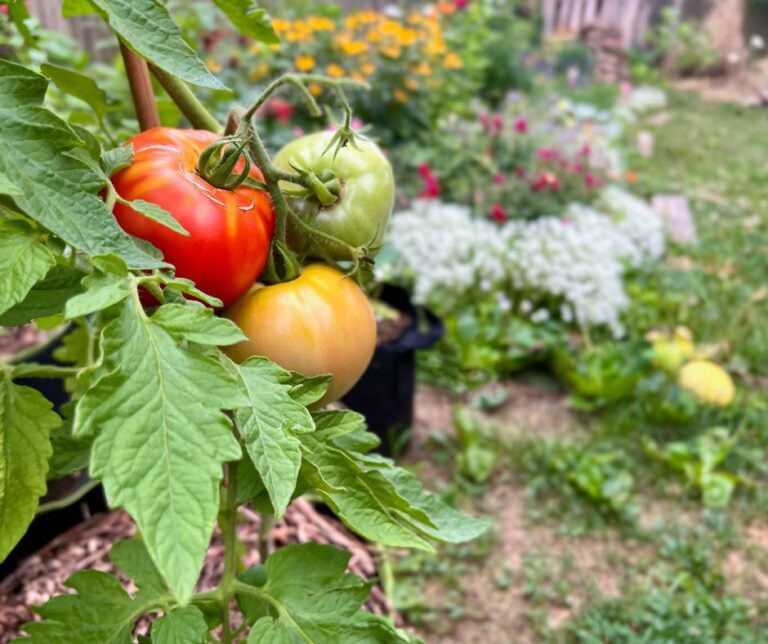
Instead, they packed every inch of soil with herbs, vegetables, and medicinal plants, interspersed with flowers to attract pollinators for their crops.
Today, we keep that spirit alive by mixing edibles with ornamentals. This style aligns perfectly with eco-conscious gardening because it naturally encourages biodiversity.
By densely planting a variety of species, you suppress weeds, retain soil moisture, and create a complex ecosystem that supports beneficial insects and birds. It’s a win for your aesthetic and a win for the planet.
Key Elements of Cottage Garden Design
Before we get our hands dirty with the plant list, let’s look at the “rules” of cottage gardening, or rather, the lack thereof.
- Density is Key: Nature abhors a vacuum, and so does a cottage garden. Plants should grow closely together, weaving into one another to create a tapestry of color.
- Natural Materials: Skip the plastic edging. Opt for weathered wood, stone pathways, or woven willow structures to maintain that rustic, grounded feel.
- Height and Layers: Mix tall spires with ground covers and bushy shrubs. This vertical interest draws the eye up and maximizes growing space in small gardens.
- Scent: A true cottage garden engages all the senses. Fragrance is just as important as color.
Where to find seeds, plants, and supplies:
Top 15 Plants for Your Cottage Garden
Ready to start planting? Here are 15 staples that will bring that classic cottage feel to your yard while supporting local wildlife.
1. Old Fashioned Roses (Rosa)
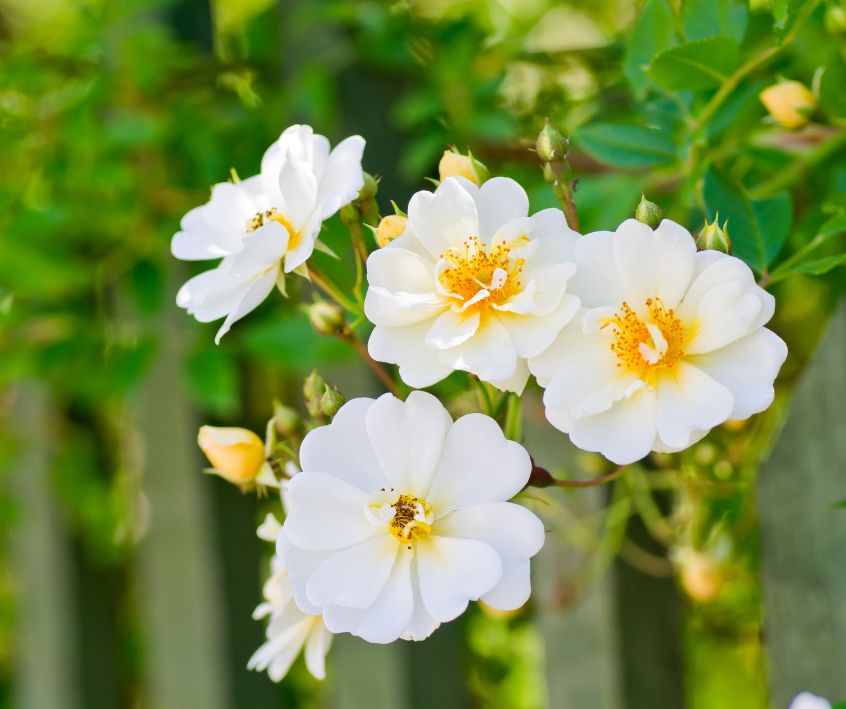
No cottage garden is complete without the queen of flowers. Unlike fussy modern hybrids, shrub roses or climbing varieties offer incredible fragrance and resilience.
- Why we love them: They provide structure and that classic romantic scent.
- Growing tip: Look for disease-resistant varieties to avoid using chemicals. Mulch heavily to retain moisture.
2. Lavender (Lavandula)
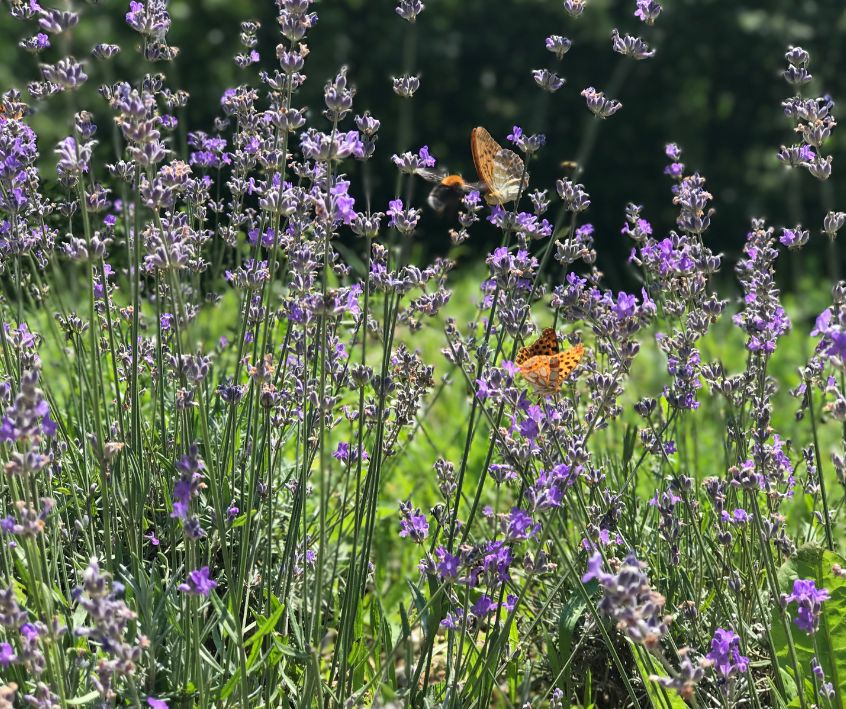
This Mediterranean native is a workhorse in the garden. Its silver-green foliage looks good year-round, and the purple spikes are a magnet for bees.
- Why we love them: The scent is calming, and you can harvest the buds for tea or sachets.
- Growing tip: Lavender hates “wet feet.” Ensure you plant it in full sun with excellent drainage.
3. Foxgloves (Digitalis purpurea)
With their tall, bell-shaped spires, foxgloves add crucial vertical drama. They are quintessential cottage plants that self-seed, meaning they’ll pop up in new spots year after year.
- Why we love them: They act as exclamation points in the border and are beloved by bumblebees.
- Growing tip: Be aware that all parts of this plant are toxic if ingested, so plant with care if you have curious pets or toddlers.
4. Hollyhocks (Alcea rosea)
These towering giants can grow up to 8 feet tall, making them perfect for the back of the border or leaning against a fence or cottage wall.
- Why we love them: They offer a nostalgic, old-world charm that is hard to replicate.
- Growing tip: They are prone to rust (a fungal disease), so ensure good airflow around the base of the plants.
5. Delphiniums (Delphinium)
If you want true blue in your garden, delphiniums are the answer. Their impressive spikes of flowers range from powder blue to deep indigo.
- Why we love them: The intense color brings depth and coolness to hot summer palettes.
- Growing tip: These tall beauties often need staking to keep them from flopping over in the wind.
6. Peonies (Paeonia)
Peonies offer massive, ruffled blooms that look like generous scoops of ice cream. They are incredibly long-lived; some peony plants thrive for over 100 years!
- Why we love them: They provide a massive burst of color in late spring.
- Growing tip: Plant them shallowly; if the “eyes” (buds) are buried too deep, they won’t flower.
7. Cosmos (Cosmos bipinnatus)
For the beginner gardener, cosmos are a dream. These annuals grow easily from seed and produce feathery foliage with daisy-like flowers that bloom until the first frost.
- Why we love them: They add an airy, whimsical texture and fill gaps quickly.
- Growing tip: Don’t fertilize them too much, or you’ll get lots of leaves but very few flowers.
8. Catmint (Nepeta)
If you struggle with lavender, try catmint. It offers a similar purple-hued haze but is much hardier and more forgiving of different soil types.
- Why we love them: It’s virtually indestructible and blooms for months if you shear it back after the first flush.
- Growing tip: As the name suggests, cats love it. Expect to find your feline friends napping in it!
9. Sweet Peas (Lathyrus odoratus)
These climbing annuals are prized for their delicate, ruffled petals and intense, candy-like fragrance. They look beautiful climbing up a rustic trellis or obelisk.
- Why we love them: The more you pick, the more they bloom. They make excellent cut flowers.
- Growing tip: Soak the seeds overnight before planting to soften the hard outer shell and speed up germination.
10. Hydrangeas (Hydrangea)
With their large, globe-like flower heads, hydrangeas bring bulk and structure to the garden. They flower well into autumn, keeping the garden interesting as summer fades.
- Why we love them: The flower heads dry beautifully on the plant, providing winter interest.
- Growing tip: Most hydrangeas love plenty of water (hence the “hydra” in their name) and prefer morning sun with afternoon shade.
11. Lady’s Mantle (Alchemilla mollis)
This is the ultimate filler plant. Its scalloped, lime-green leaves catch raindrops like glistening jewels, and the frothy yellow flowers blend with everything.
- Why we love them: It softens hard edges along pathways and spills beautifully over walls.
- Growing tip: It can be an aggressive self-seeder, so deadhead the flowers if you want to keep it contained.
12. Coneflowers (Echinacea)
A native wildflower that fits perfectly in a cottage scheme. Coneflowers are tough, drought-tolerant, and their prominent central cones provide seeds for birds in winter.
- Why we love them: They support sustainability goals by requiring little water once established.
- Growing tip: Leave the seed heads standing in winter to provide food for goldfinches.
13. Daisies (Leucanthemum x superbum)
The cheerful Shasta Daisy is a classic. The white petals with yellow centers offer a fresh, clean break for the eye amidst the colorful chaos of a cottage garden.
- Why we love them: They glow in the twilight and are incredibly easy to divide and share with friends.
- Growing tip: Deadhead spent blooms to encourage a second flush of flowers later in the season.
14. Phlox (Phlox paniculata)
Garden phlox provides clouds of color and a sweet fragrance in mid-to-late summer. They bridge the gap between early summer blooms and autumn colors.
- Why we love them: They are butterfly magnets!
- Growing tip: Look for mildew-resistant varieties to keep the foliage looking healthy all season.
15. Herbs (Sage, Thyme, Chives)
Remember, cottage gardens are functional! Tuck herbs along the edges of your beds. Their flowers attract pollinators, and their foliage adds texture.
- Why we love them: You get to eat your garden! Nothing beats harvesting fresh herbs for dinner.
- Growing tip: Most Mediterranean herbs (like rosemary and thyme) love sun and gritty, well-draining soil.
Creating Harmony: Color and Combinations
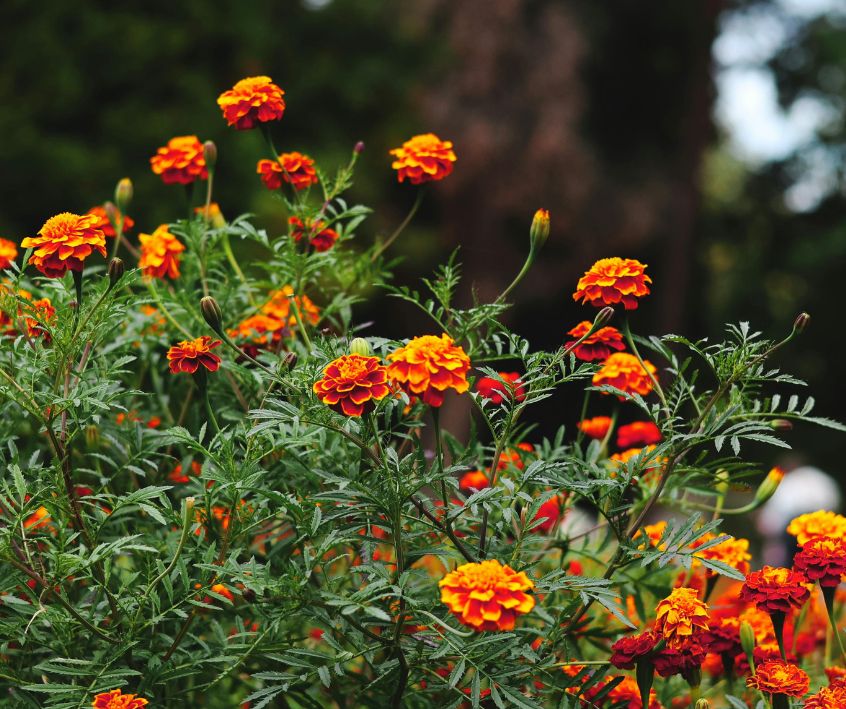
While cottage gardens are known for being colorful, a little planning goes a long way. To avoid a jarring look, try to repeat plants throughout the border. This rhythm helps tie the whole design together.
Consider a pastel palette of pinks, blues, purples, and whites for a soft, romantic look. If you prefer something more energetic, mix hot colors like oranges, reds, and yellows. The green foliage acts as a neutralizer, so don’t be afraid to experiment.
A great trick for beginners is to plant in drifts of 3 or 5 plants rather than singular dots; this creates a more substantial visual impact.
Maintenance: Tending Your Patch
Don’t let the “wild” look fool you, A cottage garden does need care, but it’s a gentle kind of maintenance.
- Deadheading: Snip off spent flowers regularly. This stops the plant from setting seed and encourages it to produce more blooms.
- Mulching: A thick layer of organic mulch (like compost or shredded leaves) is your best friend. It suppresses weeds, feeds the soil, and holds moisture—essential for a sustainable, water-wise garden.
- Editing: Because plants are packed in tight, some might try to take over. Don’t be afraid to dig up and divide plants that are bullying their neighbors.
Start Your Cottage Garden Today
Creating a cottage garden is a journey, not a race. It’s about experimenting, observing what thrives, and enjoying the process. Whether you have a sprawling lawn or a small urban patch, incorporating these 15 plants will set you on the path to a beautiful, biodiverse, and sustainable sanctuary.
Ready to get growing? Visit your local nursery this weekend and pick up a few of these staples. Your local pollinators, and your peace of mind, will thank you.
Visit the Garden Resources page for supplies and inspiration. Don’t forget to subscribe to the Calendula’s Garden Newsletter for more gardening tips.
Calendula’s Garden is reader supported. When you buy through links on our site, we may earn an affiliate commission. As an Amazon Associate, I earn from qualifying purchases. For more information, view our Disclaimer page. Thank you!