9 Simple and Delicious Garden Basil Recipes
Calendula's Garden is reader suported This post may contain affiliate links, more on our Disclaimer page. Thank you!

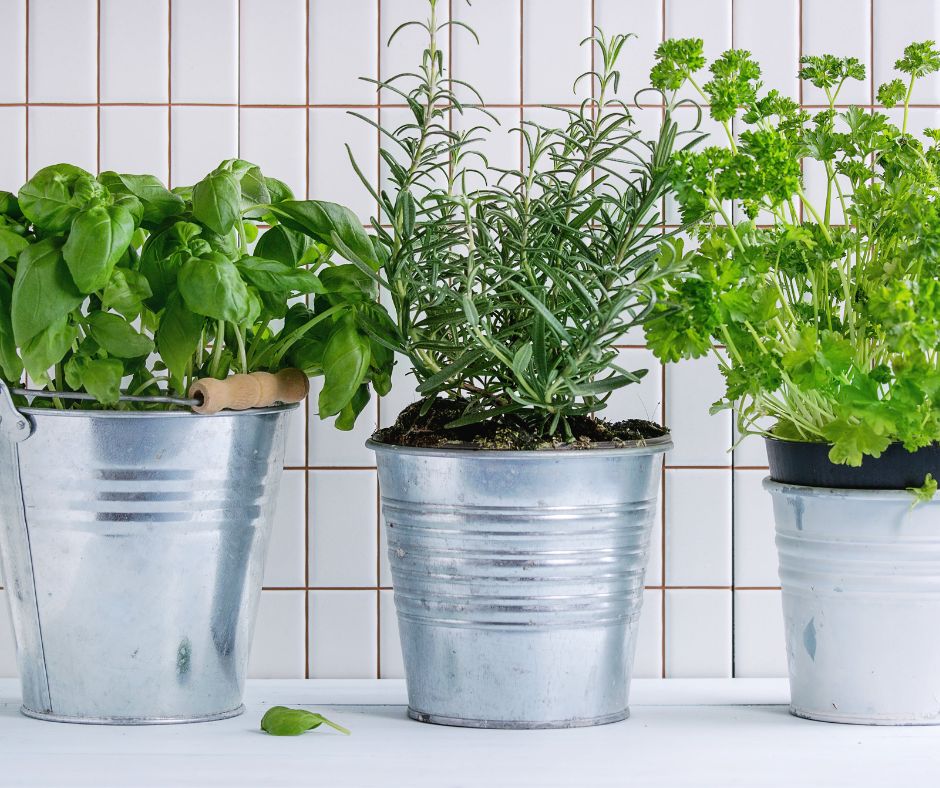
Basil is a versatile and easy to grow herb that can transform simple meals into delightful culinary experiences.
Whether you grow it in your garden, keep a pot on your windowsill, or pick up a bundle at the market for your recipes, fresh basil brings a burst of flavor and aroma that’s hard to match.
From savory sauces to refreshing salads, this guide will inspire you to explore the endless possibilities of cooking with basil. Let’s uncover some creative and delicious ways to make the most of this beloved herb.
1. Basil Pesto

Ingredients:
- 2 cups fresh basil leaves
- 1/2 cup grated Parmesan cheese
- 1/2 cup extra-virgin olive oil
- 1/3 cup pine nuts
- 3 cloves garlic, minced
- Salt and pepper to taste
Instructions:
In a food processor, combine basil leaves, pine nuts, and garlic. Pulse until the ingredients are finely chopped. With the processor running, gradually add the olive oil in a steady stream until the pesto is well blended.
Transfer to a bowl and stir in the Parmesan cheese, salt, and pepper. Use immediately or store in the refrigerator.
2. Tomato Basil Bruschetta
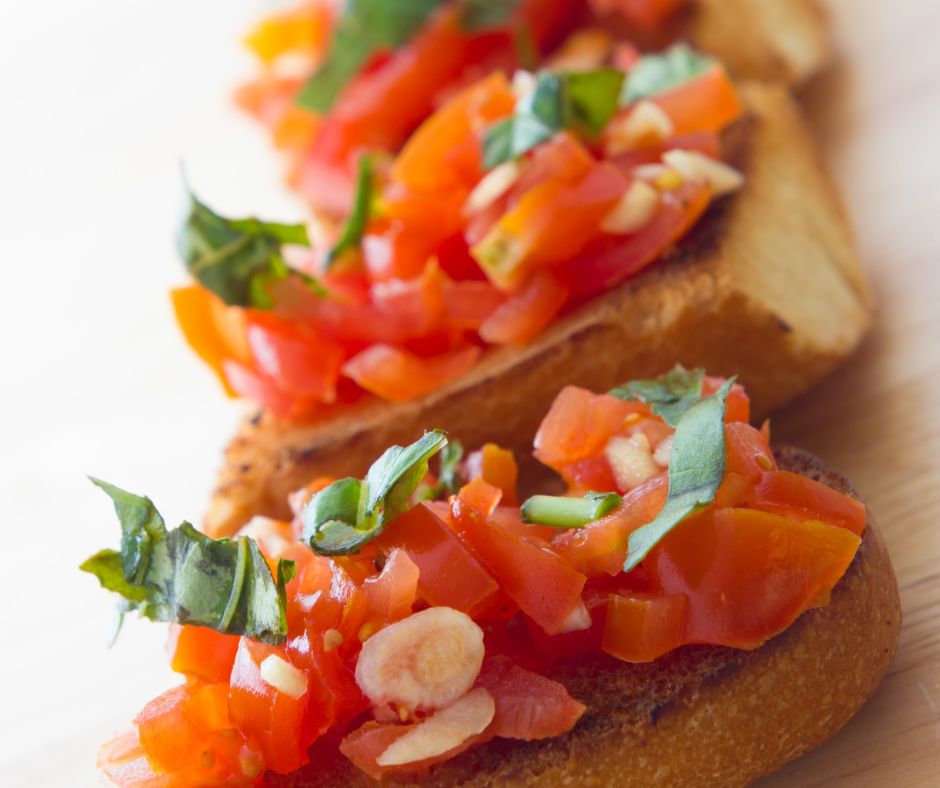
Ingredients:
- 4 ripe tomatoes, diced
- 1/4 cup fresh basil leaves, chopped
- 3 tablespoons balsamic vinegar
- 2 cloves garlic, minced
- Salt and pepper to taste
- 1 baguette, sliced
- 4 tablespoons olive oil
Instructions:
In a medium bowl, combine tomatoes, basil, garlic, balsamic vinegar, salt, and pepper. Stir well and let it sit for at least 30 minutes to allow flavors to meld. Meanwhile, preheat the oven to 400°F (200°C).
Arrange the baguette slices on a baking sheet and brush with olive oil. Toast in the oven for about 5 minutes or until golden. Top each slice with the tomato-basil mixture before serving.
3. Lemon Basil Chicken
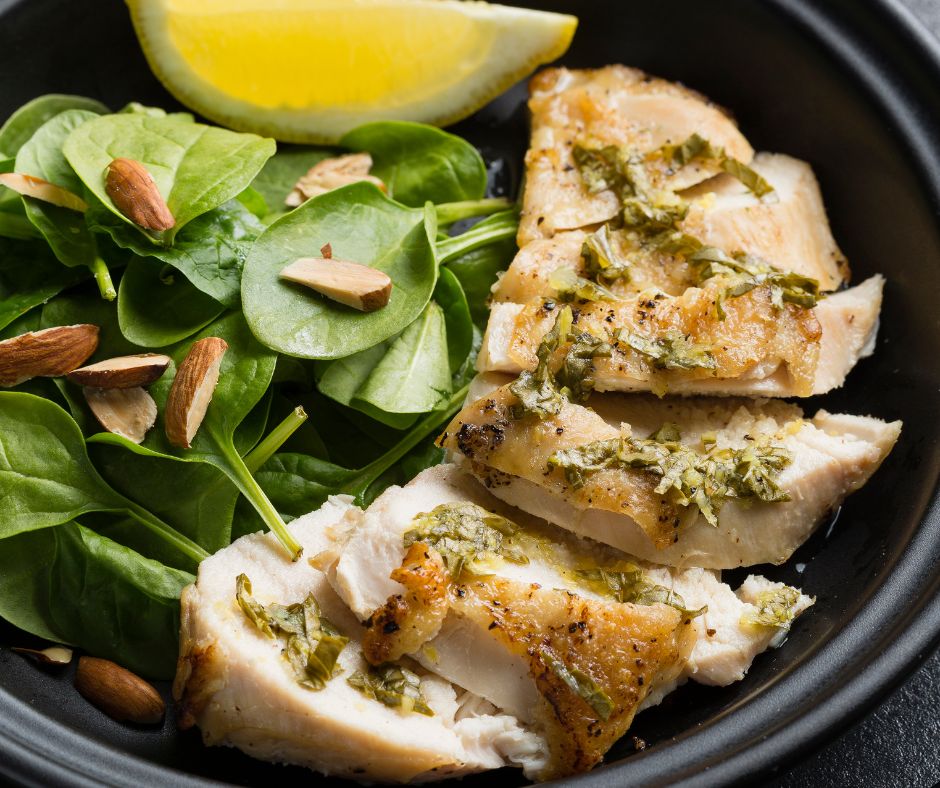
Ingredients:
- 4 boneless, skinless chicken breasts
- 1/4 cup fresh lemon juice
- 3 tablespoons fresh basil, chopped
- 3 cloves garlic, minced
- Salt and pepper to taste
- 2 tablespoons olive oil
Instructions:
In a bowl, mix lemon juice, basil, garlic, salt, and pepper. Place chicken breasts in a resealable bag and pour the marinade over them. Seal the bag and refrigerate for at least 2 hours.
Heat olive oil in a skillet over medium heat. Remove the chicken from the marinade and cook for about 7 minutes on each side until golden brown and fully cooked. Serve hot.
4. Basil and Ricotta Stuffed Shells
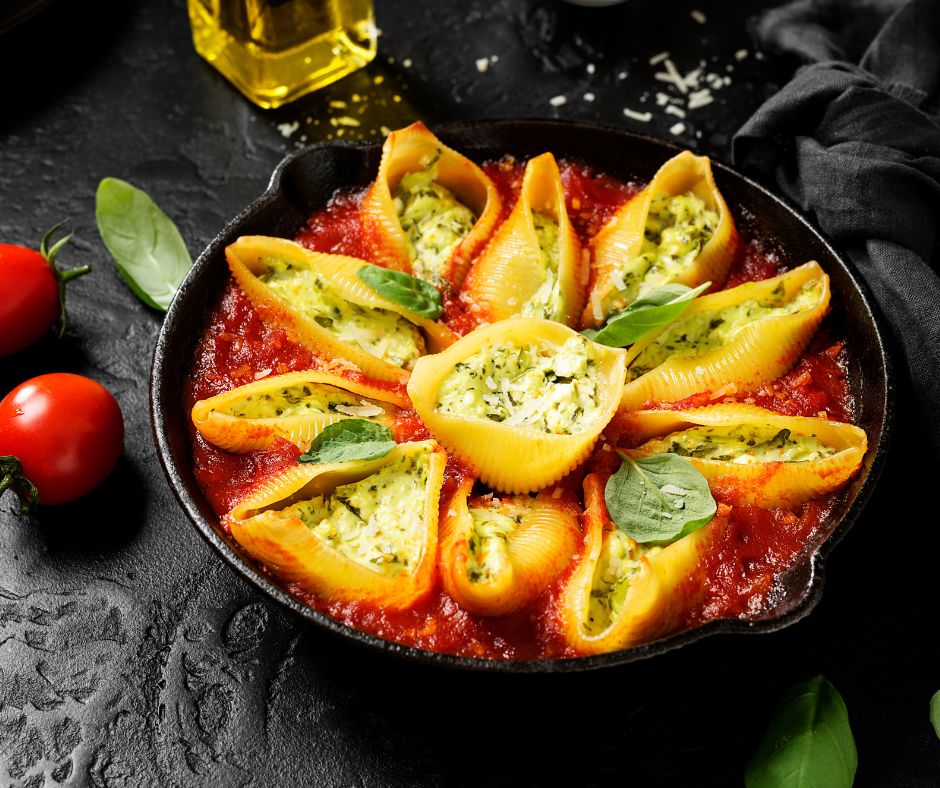
Ingredients:
- 20 jumbo pasta shells
- 1 cup ricotta cheese
- 1/2 cup fresh basil, chopped
- 1/2 cup shredded mozzarella cheese
- 1/4 cup Parmesan cheese, grated
- 1 egg
- Salt and pepper to taste
- 1 jar marinara sauce
Instructions:
Preheat the oven to 375°F (190°C). Cook pasta shells according to package instructions. In a mixing bowl, combine ricotta, basil, mozzarella, Parmesan, and egg. Season with salt and pepper.
Fill each shell with the cheese mixture. Spread a layer of marinara sauce in a baking dish and arrange the shells on top. Pour the remaining sauce over the shells and bake in the oven for 25 minutes until the cheese is bubbly.
5. Basil and Strawberry Salad
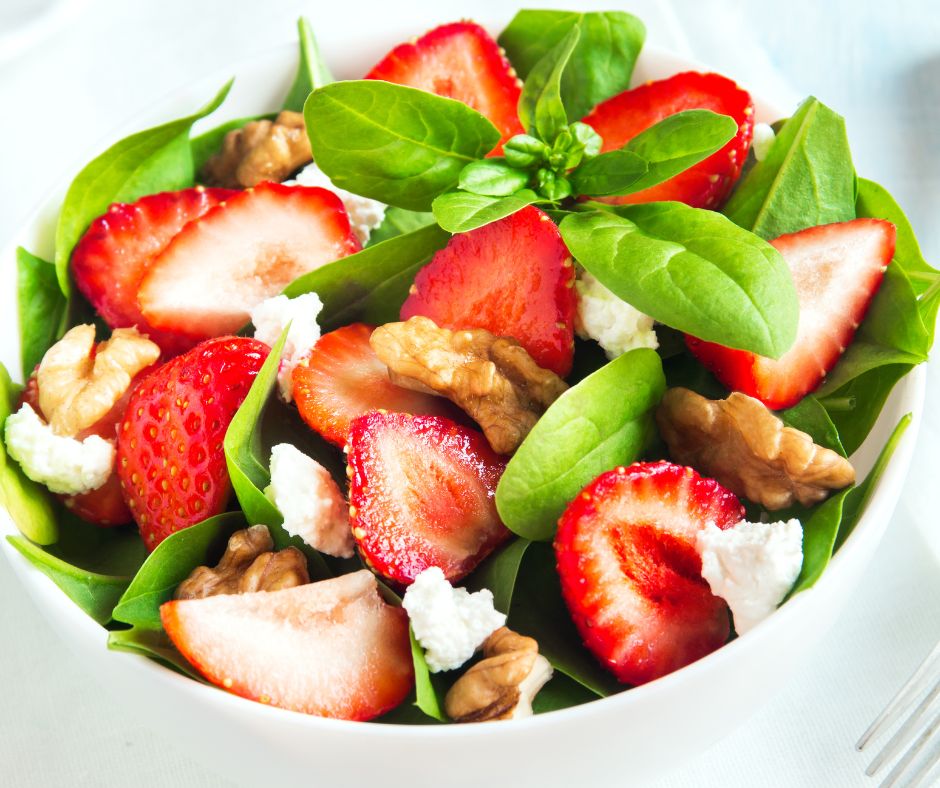
Ingredients:
- 6 cups mixed greens
- 1 cup strawberries, sliced
- 1/4 cup fresh basil leaves, torn
- 1/4 cup feta cheese, crumbled
- 1/4 cup balsamic vinaigrette
Instructions:
In a large salad bowl, combine mixed greens, strawberries, basil, and feta cheese. Drizzle with balsamic vinaigrette and toss gently to combine. Add a handful of walnut halves for crunch and a nutritional boost. Serve immediately for a refreshing and flavorful salad.
6. Basil Vegetable Stir-Fry
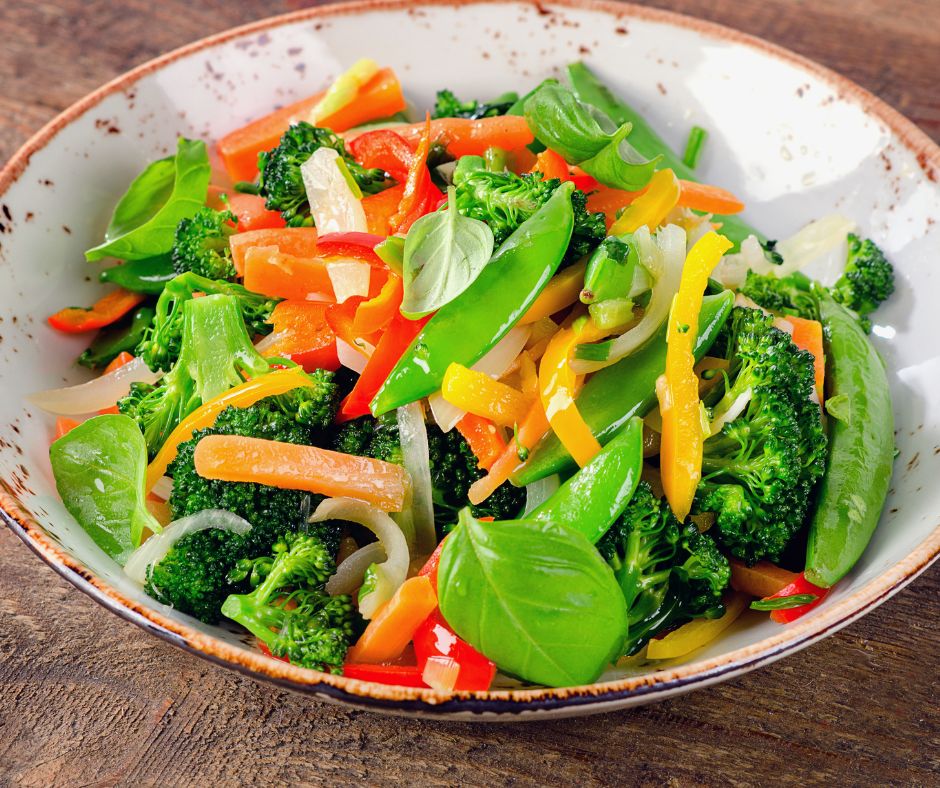
Ingredients:
- 2 tablespoons sesame oil
- 1 red bell pepper, sliced
- 1 cup snap peas
- 1 cup broccoli florets
- 2 cloves garlic, minced
- 1/4 cup fresh basil leaves, chopped
- 2 tablespoons soy sauce
Instructions:
Heat sesame oil in a large skillet or wok over medium-high heat. Add bell pepper, snap peas, broccoli, and garlic. Stir-fry for about 5 minutes until the vegetables are tender-crisp.
Add basil and soy sauce, and cook for an additional 2 minutes. Serve hot as a side dish or over rice for a complete meal.
7. Basil Infused Lemonade

Ingredients:
- 1 cup fresh basil leaves
- 1 cup lemon juice
- 3/4 cup sugar
- 4 cups water
- Ice cubes
Instructions:
In a saucepan, combine sugar and 1 cup of water. Heat over medium heat until the sugar dissolves, creating a simple syrup. Remove from heat and add basil leaves. Allow it to steep for 30 minutes.
Strain the syrup into a pitcher, discarding the basil. Add lemon juice and the remaining water. Stir well and serve over ice for a refreshing beverage with a garnish of fresh basil and a lemon wedge. Adding sliced cucumber to your glass will add a unique twist.
8. Sautéed Basil Leaves with Garlic

Ingredients:
- 2 tablespoons olive oil
- 4 cups fresh basil leaves
- 4 cloves garlic, thinly sliced
- Salt and pepper to taste
- 1 tablespoon lemon juice (optional)
Instructions:
Heat olive oil in a large skillet over medium heat. Add sliced garlic and sauté for about 1 minute until fragrant. Add basil leaves and cook, stirring frequently, for about 2-3 minutes until the leaves are wilted.
Season with salt and pepper, adjusting to taste. If desired, drizzle with lemon juice before serving to add a hint of citrus brightness. Serve warm as a delightful side dish or a topping for grilled meats or vegetables.
9. Creamy Basil Alfredo Sauce
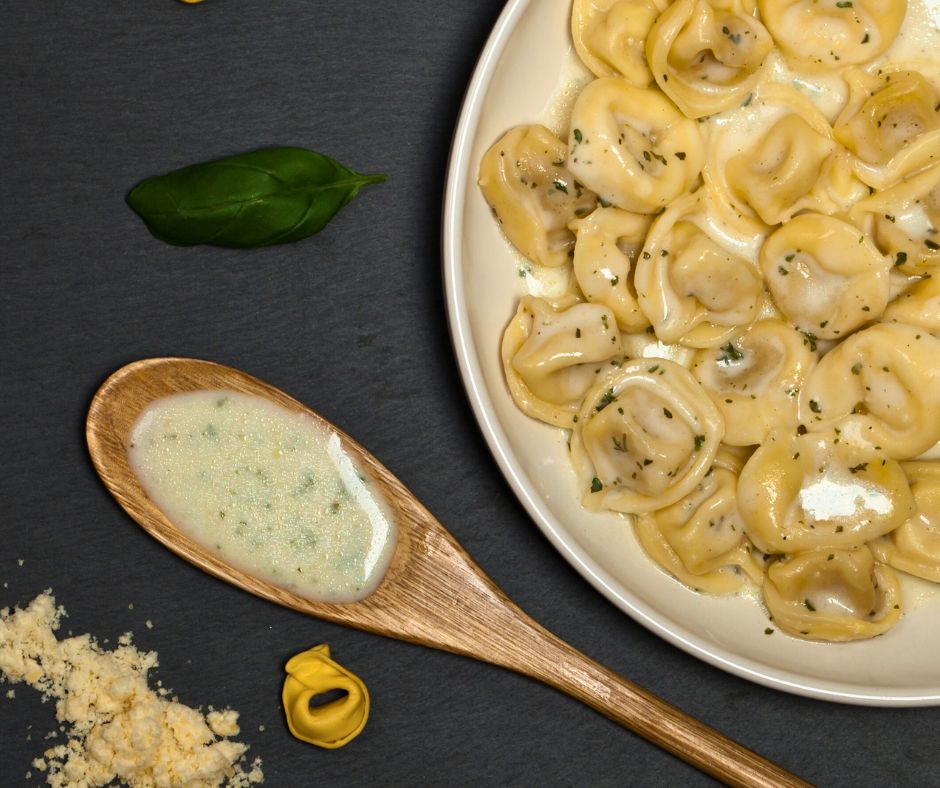
Ingredients:
- 1/2 cup fresh basil leaves, chopped
- 1 cup heavy cream
- 1/2 cup grated Parmesan cheese
- 2 tablespoons unsalted butter
- 2 cloves garlic, minced
- Salt and pepper to taste
Instructions:
Melt the butter in a saucepan over medium heat. Add minced garlic and sauté for about 1 minute until fragrant. Slowly stir in the heavy cream and bring to a gentle simmer.
Gradually whisk in the Parmesan cheese until the sauce is smooth and creamy. Add the chopped basil and season with salt and pepper to taste. Simmer for an additional 2 minutes, allowing the flavors to meld. Serve over your favorite pasta or as a rich sauce for grilled chicken or vegetables.
Health Benefits of Basil

Basil is not only a flavorful addition to dishes but also a powerhouse of health benefits. Packed with essential nutrients, this herb contains vitamins A, C, and K, as well as manganese, magnesium, and iron.
Basil is rich in antioxidants, such as eugenol and flavonoids, which help combat oxidative stress and reduce inflammation in the body. Its antimicrobial and antibacterial properties make it effective in supporting immune health and fighting infections.
Furthermore, compounds in basil may aid in reducing stress and anxiety due to their calming effects on the body. Studies have also suggested that consuming basil can help regulate blood sugar levels and improve heart health by reducing cholesterol and promoting healthy circulation. Including basil in your diet is a simple and natural way to boost overall well-being.
Where to find seeds, plants, and supplies:
How to Dry and Store Basil Leaves
Drying and storing basil leaves is an excellent way to preserve their vibrant flavor and aroma for long-term use. Follow these steps to dry and store basil leaves properly:
Drying Basil Leaves
- Harvest and Clean
Gently pick fresh basil leaves from the stems, preferably in the morning when the oils are most concentrated. Rinse the leaves under cool water to remove any dirt or debris. Pat them dry with a clean towel or allow them to air dry completely.
- Prepare for Drying
Remove any discolored or damaged leaves. Ensure the leaves are entirely dry before proceeding to avoid mold or spoilage during the drying process.
- Use a Dehydrator
- Arrange the basil leaves in a single layer on the dehydrator trays, ensuring they do not overlap.
- Set the dehydrator to 95°F to 105°F (35°C to 40°C) for optimal results.
- Dry the basil leaves for 6 to 12 hours, checking periodically to ensure they are completely dry and crumbly but not burnt.
- Alternative Drying Methods
If you don’t have a dehydrator, you can dry basil leaves by hanging small bundles of stems upside down in a warm, dry, and well-ventilated area.
Another option is to spread the leaves in a single layer on a baking sheet and dry them in the oven at the lowest temperature setting for 1 to 2 hours, checking frequently.
Storing Basil Leaves
- Crush or Keep Whole
Once completely dry, you can either leave the basil leaves whole or crush them into smaller pieces, depending on your preference.
- Store in an Airtight Container
Place the dried basil in an airtight container or glass jar with a tight-fitting lid. Label the container with the date so you can track its freshness.
- Keep in a Cool, Dark Place
Store the container in a cool, dark location, such as a pantry or cupboard, to maintain the basil’s flavor and potency for up to one year. Avoid exposure to light, heat, or moisture, as these elements can degrade the quality of the dried leaves.
See How I Preserve Fresh Basil
This will also work for saving extra pesto.
Freezing Basil
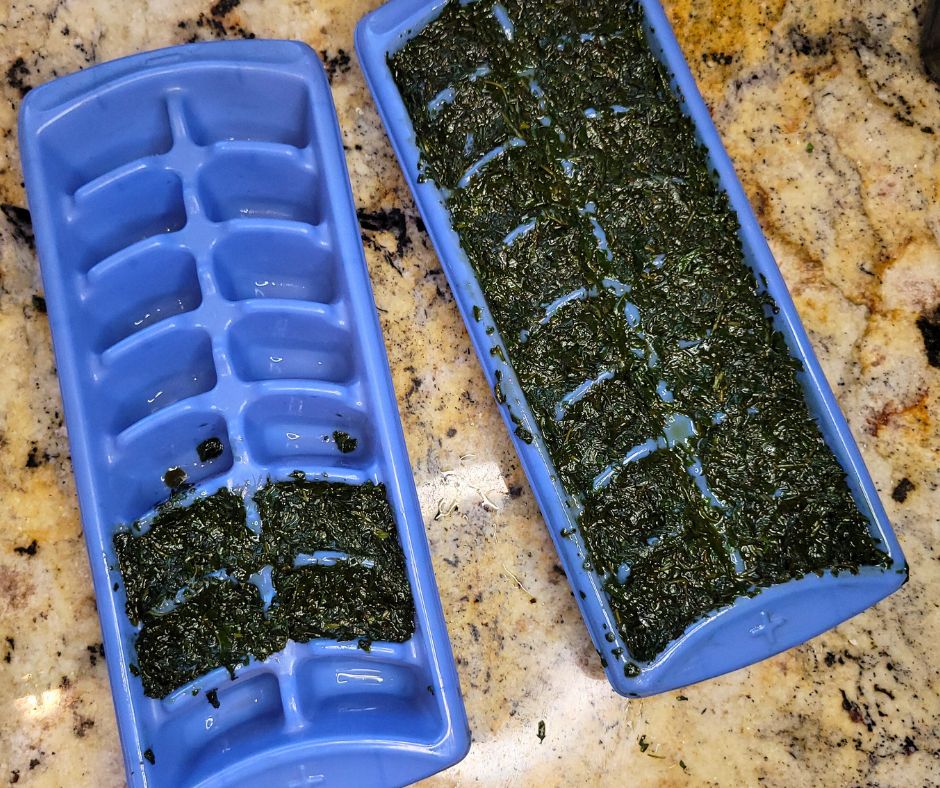
Freezing fresh basil leaves with olive oil is an excellent way to preserve their bright flavor and aroma for cooking. This method protects the basil from freezer burn and ensures it’s ready to use in recipes like sauces, soups, and dressings. Follow these simple steps to freeze basil with olive oil:
Steps to Freeze Basil with Olive Oil
- Harvest and Wash
Select fresh, healthy basil leaves and rinse them thoroughly under cool water to remove any dirt or debris. Gently pat the leaves dry with a clean towel or allow them to air dry completely.
- Chop or Leave Whole
Depending on your preference, you can leave the basil leaves whole or chop them into smaller pieces. Chopping can make it more convenient to use in recipes later.
- Prepare an Ice Cube Tray
Place the basil leaves or chopped basil into the compartments of an ice cube tray. Fill each compartment about halfway to leave room for the olive oil.
- Add Olive Oil
Pour olive oil into each compartment, ensuring that the basil is completely covered. The oil will protect the basil from browning and preserve its flavor. Another option is to combine the basil leaves and olive oil in a blender. Then, pour the mixture into the ice cube tray. Watch the video: Grow, Harvest, and Freeze Basil | Simple Tips and Herb Storage Recipe
- Freeze
Place the ice cube tray in the freezer and allow it to freeze completely, which usually takes several hours or overnight.
- Store in Bags or Containers
Once frozen, remove the basil and olive oil cubes from the tray and transfer them to a freezer-safe bag or airtight container. Label the bag or container with the date to track freshness.
- Use as Needed
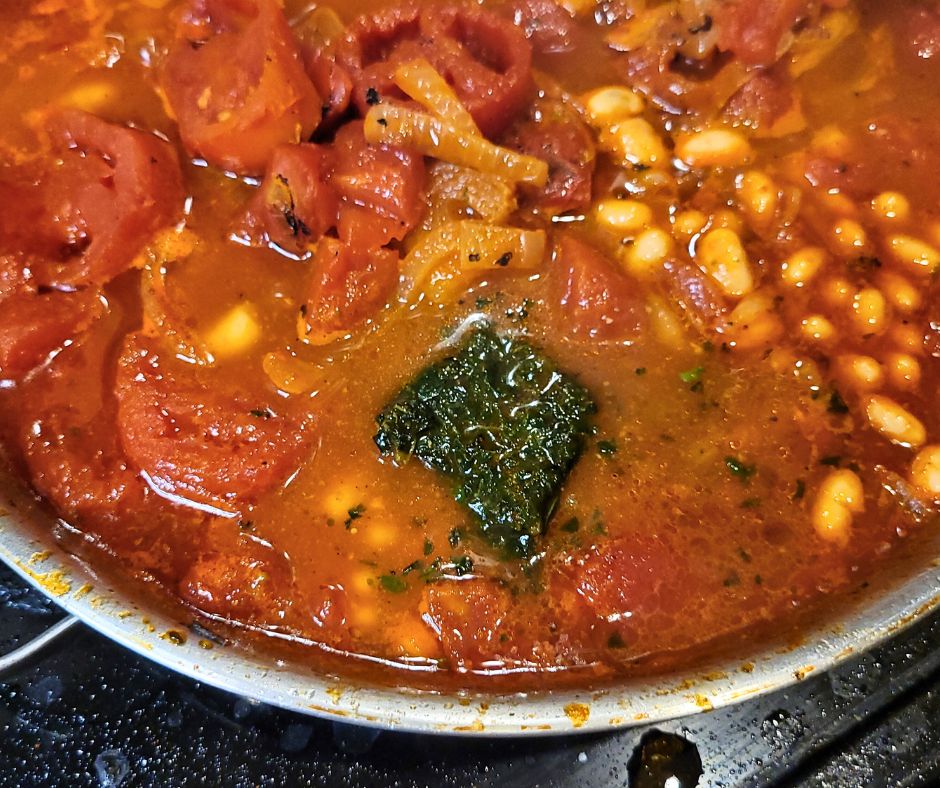
When cooking, simply take out a basil and olive oil cube and add it directly to your dish. This method is convenient for recipes that call for both fresh basil and olive oil.
By freezing basil with olive oil, you can enjoy the fresh flavor of basil even out of season, reducing waste and making meal preparation easier.
By following these steps, you can enjoy the aromatic flavor of basil in your dishes year-round!
Final Thoughts
Basil is far more than a simple herb used to enhance the flavor of meals; it is a versatile ingredient that offers an array of culinary possibilities and significant health benefits. From refreshing drinks like basil-infused lemonade to hearty dishes such as basil and ricotta stuffed shells, basil’s unique flavor elevates any recipe.
Additionally, its nutritional profile and medicinal properties make it an excellent choice for those seeking to improve their overall well-being. By incorporating basil into your cooking and daily routine, you can celebrate its vibrant taste while benefiting from its remarkable health-promoting qualities.
Whether in a salad, stir-fry, or zesty marinade, basil proves that healthy eating can be both delicious and satisfying.
Visit the Garden Resources page for supplies and inspiration. Don’t forget to subscribe to the Calendula’s Garden Newsletter for more gardening tips.
Calendula’s Garden is reader supported. When you buy through links on our site, we may earn an affiliate commission. As an Amazon Associate, I earn from qualifying purchases. For more information, view our Disclaimer page. Thank you!