7 Space Saving Indoor Gardening Tips for Small Homes
Calendula's Garden is reader suported This post may contain affiliate links, more on our Disclaimer page. Thank you!
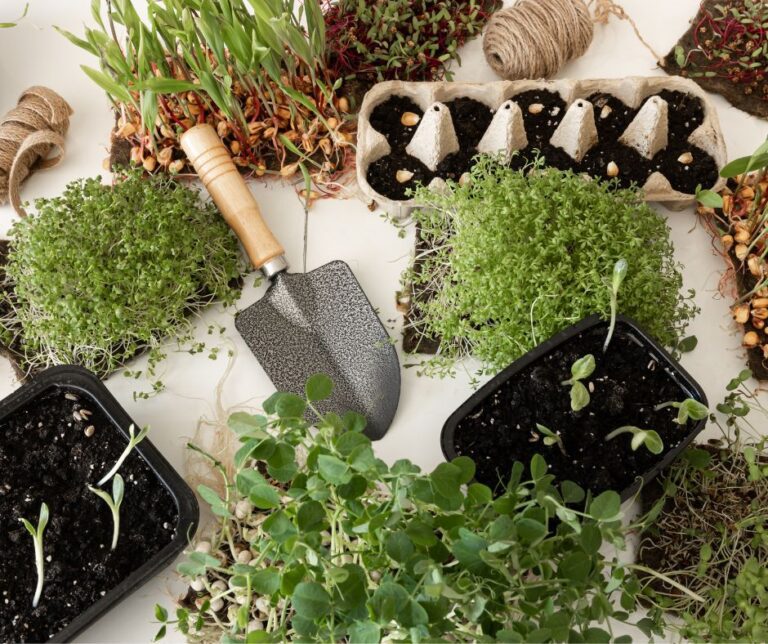
Living in a compact apartment or small home doesn’t mean you have to give up your green thumb dreams. Indoor gardening offers a wonderful solution for growing fresh herbs, beautiful flowers, and even vegetables. All within the comfort of your own space. Whether you’re dealing with a tiny studio or just want to maximize your growing potential indoors, these seven space-saving tips will help you create a thriving garden that fits perfectly into your lifestyle.
Indoor gardening brings numerous benefits beyond just saving space. You’ll enjoy fresher air, reduced stress levels, and the satisfaction of nurturing plants year-round. Plus, there’s something incredibly rewarding about harvesting herbs for dinner or watching a seedling transform into a flourishing plant right on your windowsill.
The key to successful indoor gardening in small spaces lies in being creative with your approach. By thinking vertically, choosing the right containers, and selecting plants that thrive indoors, you can transform even the smallest nook into a productive growing area.
Go Vertical with Wall-Mounted Gardens
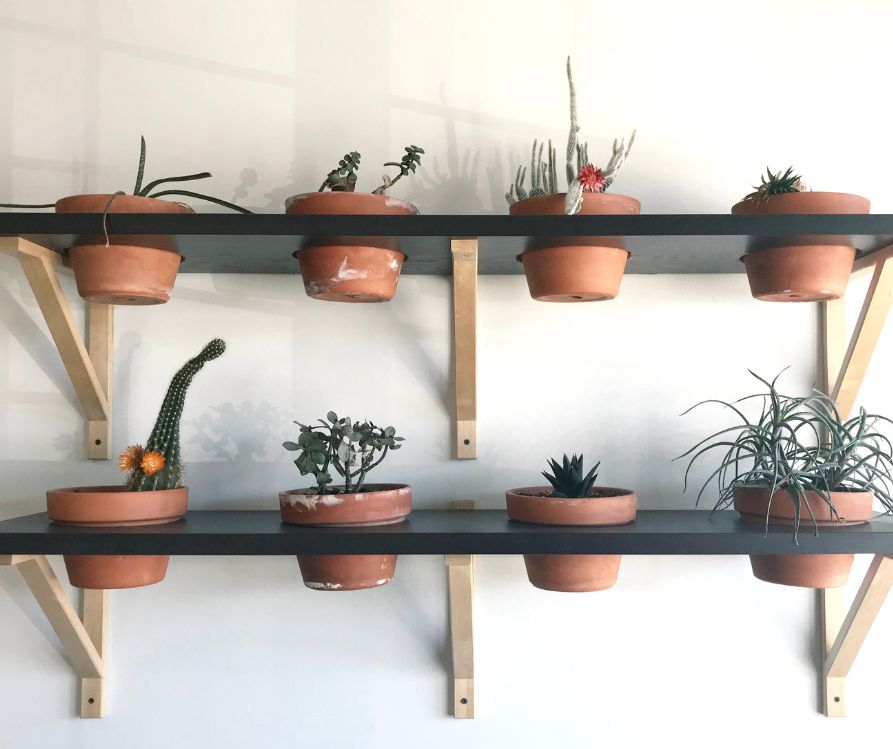
When floor space is at a premium, look up! Vertical gardening is your secret weapon for maximizing growing space without cluttering your living area. Wall-mounted planters, hanging baskets, and tiered plant stands can transform blank walls into living, breathing gardens.
Consider installing a simple grid system on your wall where you can hang lightweight pots at different heights. This creates visual interest while giving each plant adequate space to grow. Hanging baskets work particularly well for trailing plants like pothos, spider plants, or cherry tomatoes that cascade beautifully downward.
For a more permanent solution, wall-mounted pocket planters made from felt or fabric create an impressive living wall effect. These systems are perfect for shallow-rooted plants like lettuce, herbs, and small flowering plants. The best part? They take up virtually no floor space while providing growing room for dozens of plants.
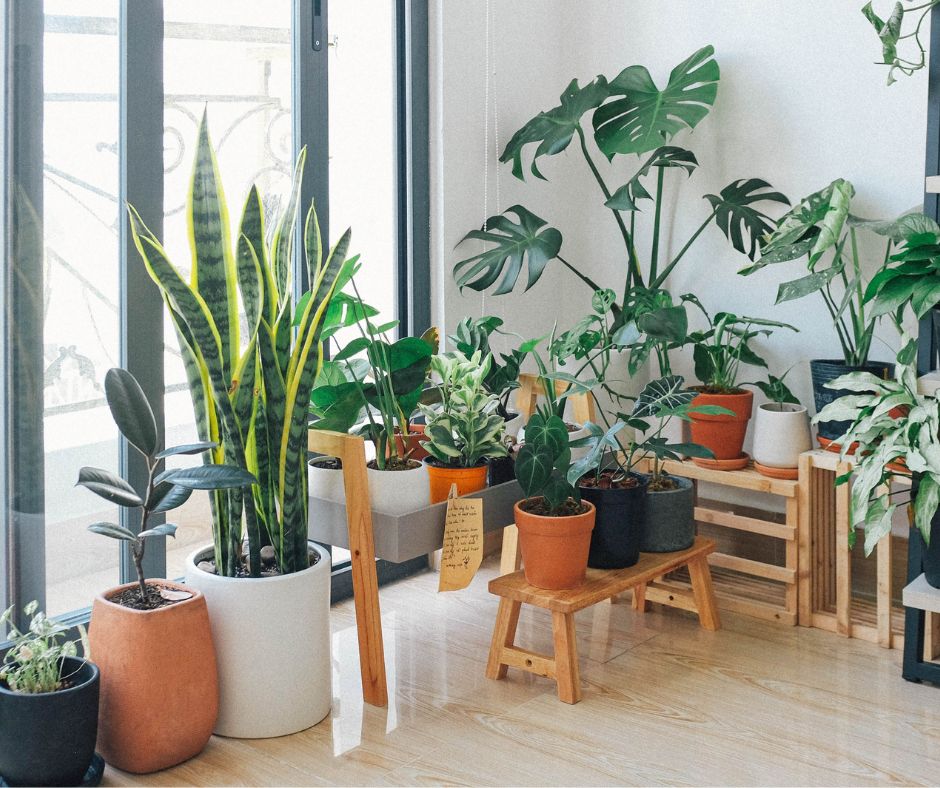
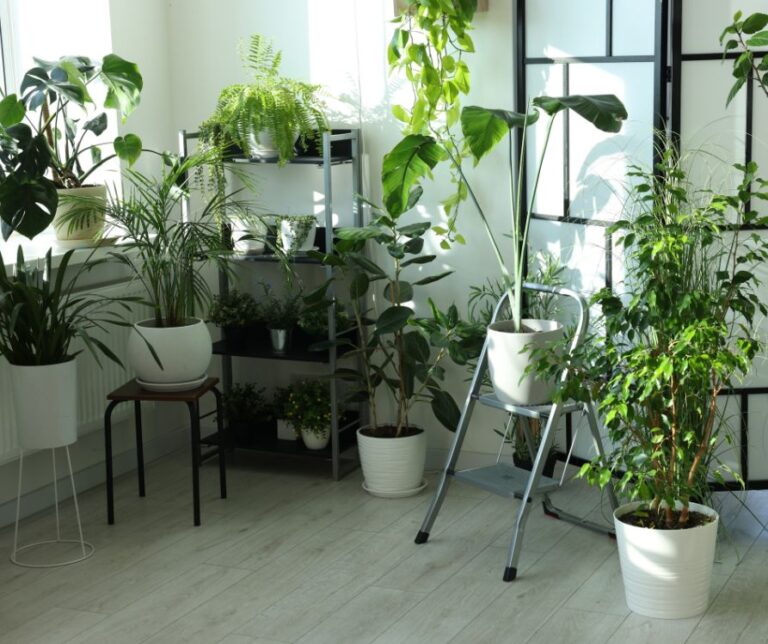
Ladder-style plant stands offer another excellent vertical solution. These wooden or metal frames can hold multiple pots at different levels, creating a stunning display that doubles as room decor. Place them near windows to ensure your plants get adequate natural light.
Choose Smart Containers for Maximum Efficiency
The right container can make or break your indoor garden, especially when space is limited. Rectangular planters fit more efficiently on windowsills than round pots, giving you more growing area in the same footprint. Long, narrow window boxes are particularly effective for herbs and small vegetables.
Self-watering containers deserve special consideration for busy indoor gardeners. These clever designs include a water reservoir that keeps soil consistently moist, reducing maintenance while preventing both overwatering and underwatering. They’re especially valuable for vacation care or if you tend to forget watering schedules.
Stackable pots offer another space-efficient solution. These interlocking containers allow you to create tower gardens for strawberries, herbs, or succulents. Each level provides growing space while the vertical design minimizes the footprint.
Don’t overlook unconventional containers either. Clean yogurt containers, mason jars, and repurposed food packaging can serve as excellent planters for smaller plants. Just ensure proper drainage by drilling holes in the bottom, and you’ll have cost-effective growing containers that keep waste out of landfills.
Optimize Light for Healthy Plant Growth
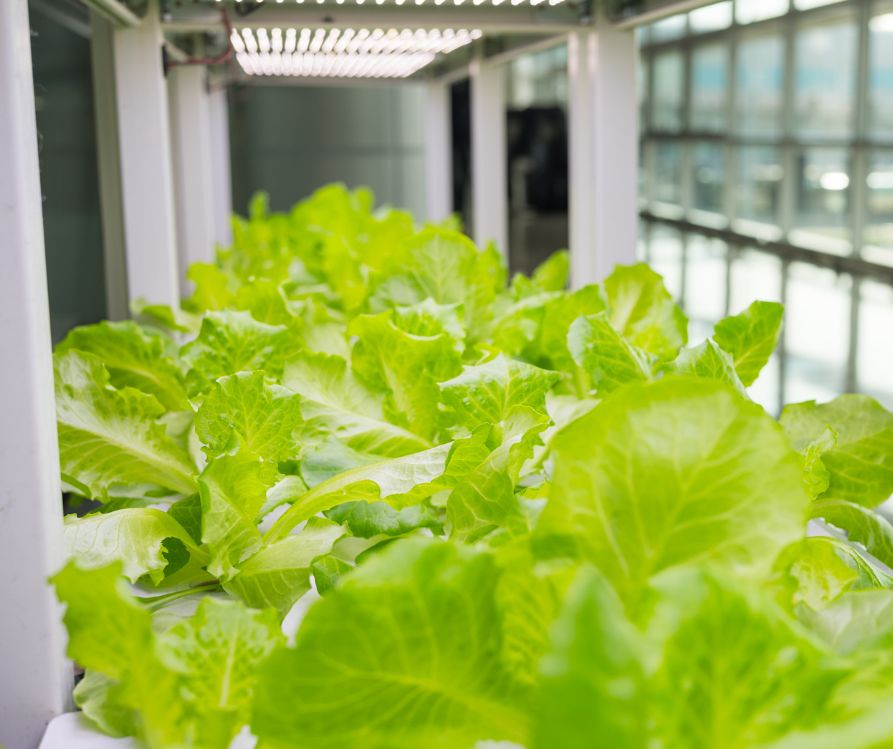
Light is the lifeblood of any indoor garden, and maximizing available illumination is crucial for small-space success. Start by identifying the brightest spots in your home—typically south-facing windows receive the most direct sunlight throughout the day.
Mirrors can significantly amplify natural light in your growing areas. Place a mirror opposite or adjacent to your plant display to reflect additional light onto your greenery. This simple trick can nearly double the effective light your plants receive without using any electricity.
When natural light isn’t sufficient, LED grow lights become essential tools. Modern LED systems are energy-efficient, produce minimal heat, and can be customized to provide the specific light spectrum your plants need. Look for full-spectrum LED strips that can be mounted under cabinets or on adjustable arms to direct light exactly where needed.
Timer-controlled grow lights ensure your plants receive consistent illumination even when you’re busy with other activities. Most vegetables and herbs need 12-16 hours of light daily, while flowering plants often require specific light cycles to bloom properly.
Create Practical Herb Gardens
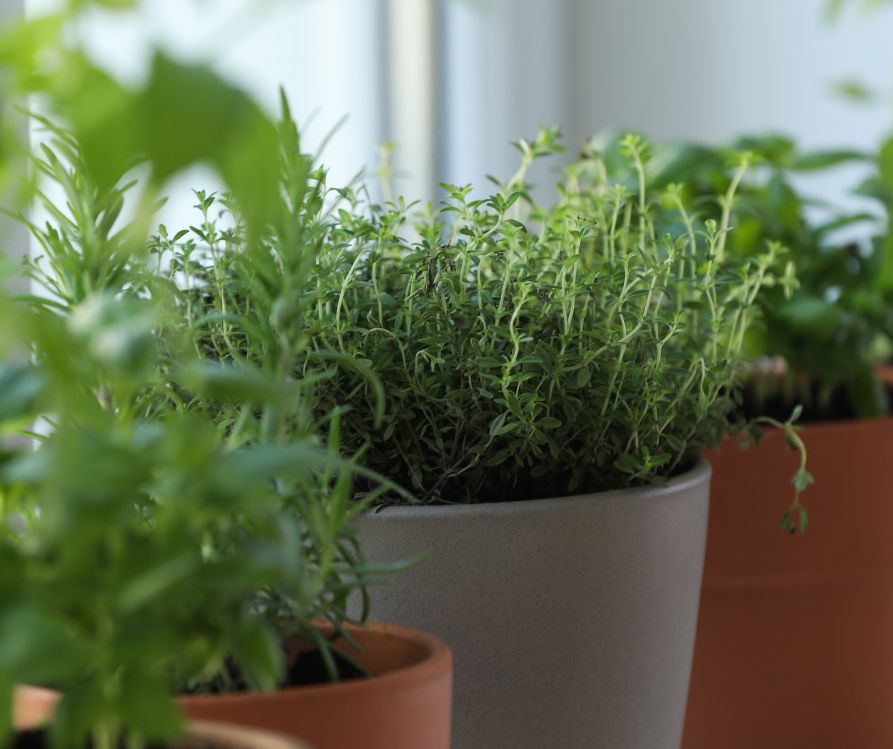
Herbs represent the perfect starting point for space-conscious indoor gardeners. They’re compact, fast-growing, and provide immediate culinary benefits that make every square inch of growing space worthwhile. A single windowsill can accommodate enough herbs to transform your cooking.
Start with essential culinary herbs like basil, cilantro, parsley, and chives. These varieties grow quickly from seed and don’t require deep containers—a 4-6 inch pot provides sufficient root space for most herbs. Pinch leaves regularly to encourage continued growth and prevent plants from becoming leggy.
Kitchen herb gardens work beautifully in repurposed items like mason jars, tin cans, or small pots arranged on floating shelves. Label each container clearly, and you’ll have a functional and attractive display that serves both practical and decorative purposes.
Consider succession planting with fast-growing herbs like cilantro and arugula. Plant new seeds every two weeks to ensure a continuous harvest rather than having everything mature simultaneously. This approach maximizes your yield from minimal space while providing fresh herbs throughout the growing season.
Embrace Low-Maintenance Succulents and Cacti
Succulents and cacti offer unparalleled benefits for small-space gardeners who want maximum visual impact with minimal maintenance requirements. These resilient plants store water in their leaves and stems, making them incredibly forgiving if you forget to water occasionally.
The variety available in succulents is truly astounding. From the rosette patterns of echeveria to the trailing stems of string of pearls, you can create diverse and interesting displays in very small containers. Many succulents remain compact throughout their lives, making them perfect permanent residents for tiny spaces.
Shallow dish gardens work exceptionally well for succulent displays. A single wide, shallow container can house multiple small succulents, creating a miniature landscape that requires minimal space. Add decorative rocks or sand between plants to complete the desert aesthetic.
Propagation makes succulents even more space-efficient. Many varieties can be grown from leaf cuttings, allowing you to expand your collection without purchasing new plants. Simply place healthy leaves on moist soil, and many will develop roots and new growth within weeks.
Explore Soil-Free Hydroponics
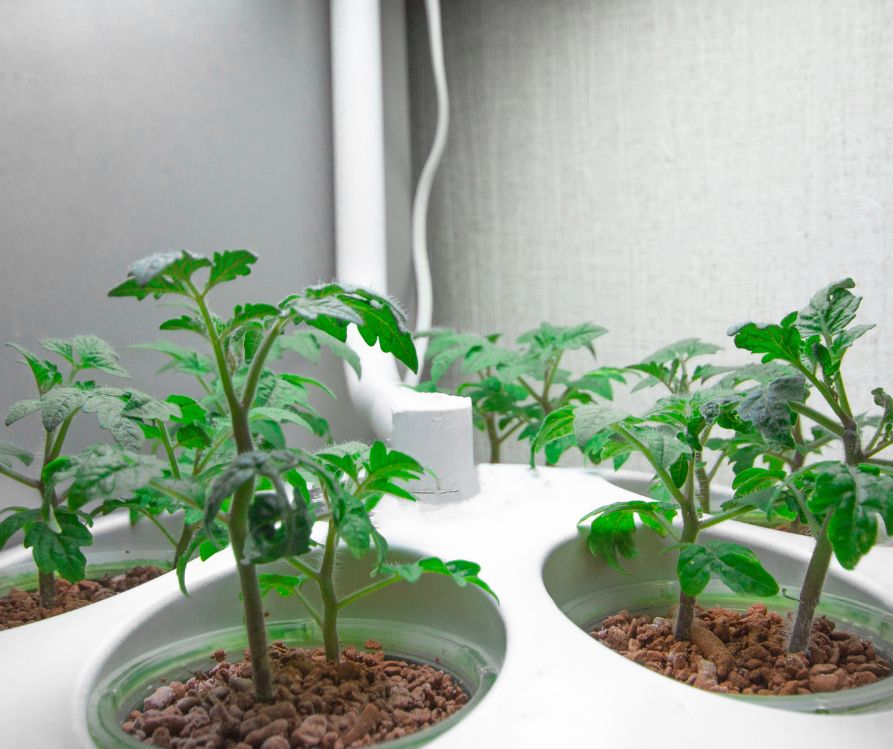
Hydroponic systems might sound complex, but modern designs make soil-free gardening surprisingly accessible for small-space gardeners. These systems deliver nutrients directly to plant roots through water, often resulting in faster growth and higher yields than traditional soil gardening.
Countertop hydroponic units are specifically designed for small spaces. These compact systems typically include LED grow lights and automated nutrient delivery, making them nearly foolproof for beginners. Popular herbs, leafy greens, and even cherry tomatoes thrive in these systems.
Mason jar hydroponics offers an even simpler entry point. Convert regular mason jars into hydroponic growing containers using net cups and growing medium like perlite or clay pebbles. This DIY approach costs much less than commercial systems while providing excellent results for herbs and small plants.
The space efficiency of hydroponics is remarkable. Without soil, plants can be grown closer together, and the controlled environment often produces harvests in less time than soil-based gardening. Plus, there’s no messy soil to deal with in your living spaces.
Select Air-Purifying Plants for Dual Benefits
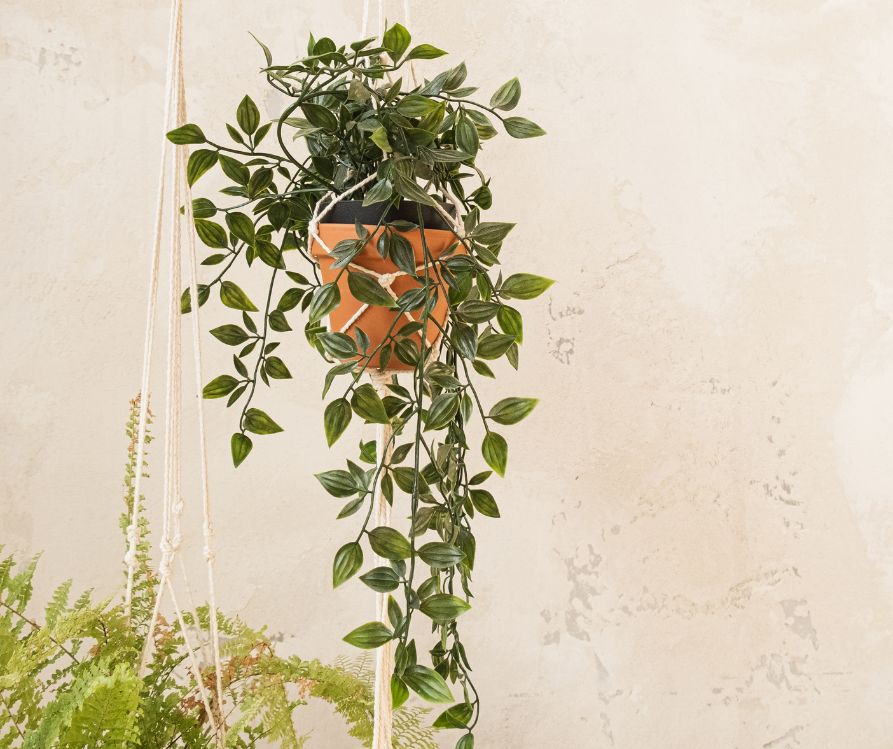
Why not combine your gardening hobby with improved indoor air quality? Many houseplants naturally filter common indoor pollutants while adding greenery to your space. This dual-purpose approach maximizes the value of every plant in your small-space garden.
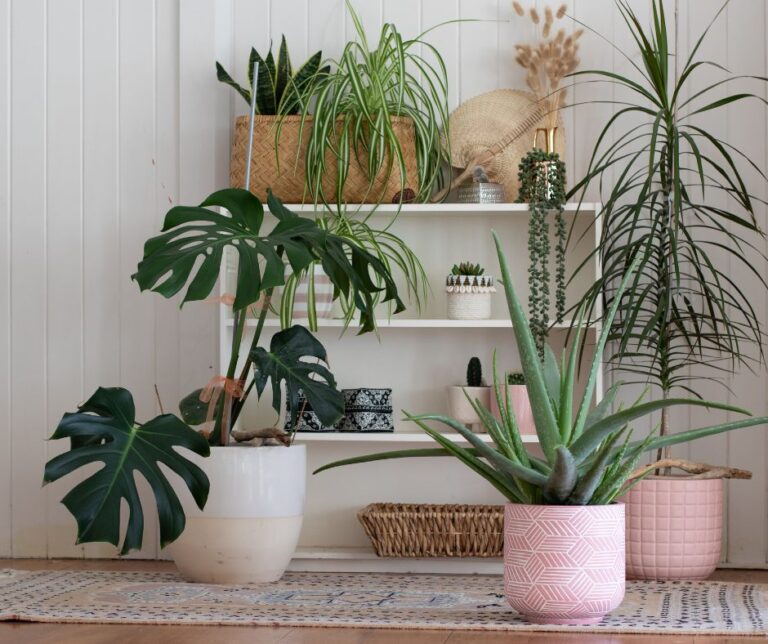
Spider plants excel at removing formaldehyde and xylene from indoor air while being incredibly easy to grow and propagate. They produce baby plants that can be rooted in water and shared with friends, making them excellent starter plants for beginning gardeners.
Snake plants (Sansevieria) deserve special recognition for small-space gardeners. These architectural plants grow slowly, require minimal water, and continue purifying air even in low-light conditions. Their upright growth pattern makes them perfect for corners or narrow spaces between furniture.
Peace lilies offer the bonus of beautiful white flowers along with air-purifying capabilities. They prefer moderate light and will actually tell you when they need water by drooping slightly—making them communicative companions for busy plant parents.
Pothos vines work wonderfully in hanging baskets or trained up moss poles, providing air purification while creating living curtains or privacy screens. Their heart-shaped leaves and trailing growth pattern add softness to modern interiors.
Transform Your Space Into a Green Sanctuary
Small spaces don’t have to mean sacrificing your gardening dreams. By implementing these seven space-saving strategies, you can create a thriving indoor garden that enhances your living environment while providing fresh herbs, clean air, and the joy of nurturing growing plants.
Start small with one or two techniques that appeal to you most. Maybe begin with a simple windowsill herb garden or try your hand at a few easy-care succulents. As you gain confidence and experience, you can gradually expand your indoor garden using vertical spaces and more advanced techniques like hydroponics.
Remember that every plant you successfully grow indoors is a victory worth celebrating. Each fresh herb you harvest, every flower that blooms, and all the clean air your plants provide represents the incredible potential of small-space gardening. Your urban oasis awaits—it just needs you to take that first green step.
Visit the Garden Resources page for supplies and inspiration. Don’t forget to subscribe to the Calendula’s Garden Newsletter for more gardening tips.
Calendula’s Garden is reader supported. When you buy through links on our site, we may earn an affiliate commission. As an Amazon Associate, I earn from qualifying purchases. For more information, view our Disclaimer page. Thank you!