7 Common Cottage Garden Design Mistakes to Avoid for a Thriving Oasis
Calendula's Garden is reader suported This post may contain affiliate links, more on our Disclaimer page. Thank you!
A cottage garden evokes a sense of whimsy and charm that is hard to resist.
Imagine soft waves of pastel flowers cascading over pathways, the soothing buzz of bees weaving between vibrant foxgloves, and an air of effortless abundance and natural beauty.
It’s a setting that feels both romantic and harmonious, as if nature itself designed it.
However, that “effortless” look is often the hardest to achieve. For beginner gardeners, the line between a charmingly chaotic cottage garden and a tangled, overgrown mess can be surprisingly thin.
It is easy to get swept up in the romance of it all and overlook the practical steps needed to keep your plants healthy and your garden sustainable.
If you are ready to dig in and create your own pollinator paradise, avoiding these common pitfalls will set you up for success.
By gardening with purpose and a little bit of foresight, you can cultivate a space that is not only beautiful but also supports local ecosystems and brings joy to your family.

Mistake #1: Skipping the Plan (and Buying on Impulse)
The biggest myth about cottage gardens is that they happen by accident. While they shouldn’t look rigid or overly manicured, they absolutely require a plan.
Many new gardeners head to the nursery in the spring, captivated by whatever is in bloom, and come home with a car full of plants that have nowhere to go. I still do this at least once a season.
This often leads to planting sun-lovers in the shade or putting thirsty plants next to ones that prefer dry soil.
This mismatch stresses your plants, making them more susceptible to pests and diseases, which might tempt you to reach for chemical solutions. Something we want to avoid in an eco-friendly garden.
How to avoid it
Start with a layout. Observe your garden for a few days. Where does the sun hit at noon? Which areas stay damp?
Sketch a rough map of your space. When you do go shopping, look for plants that suit your specific conditions.
Right plant, right place” is the golden rule of sustainable gardening. It ensures your plants thrive naturally without constant intervention, saving you time and resources.
Where to find seeds, plants, and supplies:
Mistake #2: Overcrowding Your Plants
We all want that instant “full” look. It is tempting to pack young plants tightly together to cover bare soil immediately. But remember, those small seedlings in 4-inch pots will often grow much larger than you expect.
When plants are overcrowded, they compete for nutrients and water. More importantly, dense planting restricts airflow.
Poor air circulation is a breeding ground for fungal diseases like powdery mildew, especially in the humid warmth of a cottage garden.
How to avoid it
Check the plant tags for spacing recommendations and take them seriously. If the tag says a plant spreads to 24 inches, give it that room.
It might look a bit sparse at first, but you can fill the gaps with annuals (which live for just one season) or a layer of organic mulch while your perennials (plants that return year after year) fill out.
Giving your plants room to breathe is a chemical free way to keep fungal issues at bay.
Mistake #3: Treating Soil as an Afterthought

In the excitement of choosing colorful blooms, it is easy to forget what happens underground. But healthy soil is the foundation of a healthy garden.
If you plant expensive flowers into hard, nutrient-poor dirt, they will struggle to survive.
Many beginners make the mistake of feeding the plant with synthetic fertilizers rather than feeding the soil.
Synthetic fertilizers can give a quick boost, but they do nothing to build the long-term health of your garden’s ecosystem.
How to avoid it
Before you plant a single seed, focus on your soil. Incorporate organic matter like compost, leaf mold, or aged manure.
This improves drainage in clay soils and water retention in sandy soils. Rich, living soil supports beneficial microbes and earthworms, which in turn feed your plants naturally.
Think of this as growing your health from the ground up; healthy soil creates resilient plants that can better withstand pests and weather fluctuations.
Mistake #4: Forgetting to Look Up (Neglecting Vertical Space)
Cottage gardens are famous for their layers, yet many designs stay stuck at knee height.
If you have a small to medium garden, ignoring vertical space is a missed opportunity. Without height, a garden can feel flat and one-dimensional.
Vertical elements also play a huge role in biodiversity. They provide shelter for birds and maximize the planting area, allowing you to grow more in less space.
How to avoid it
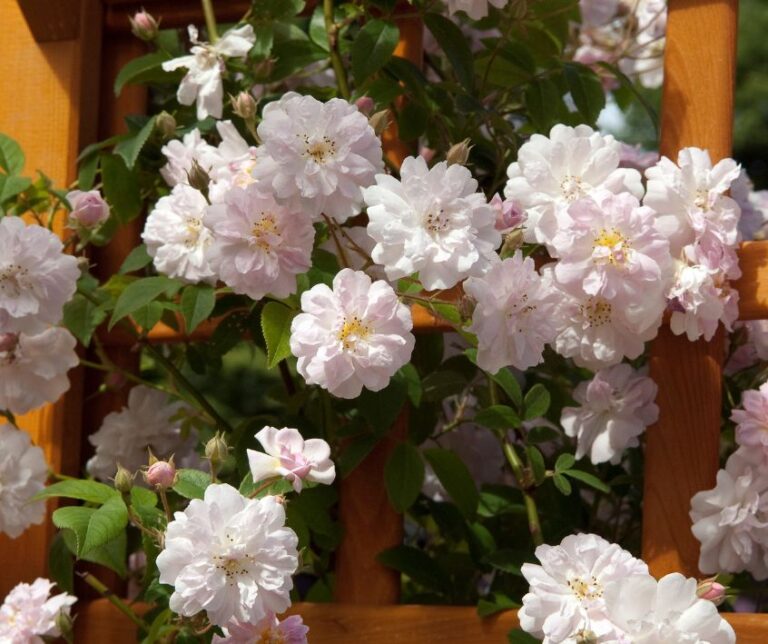
Incorporate structures like trellises, arbors, obelisks, or even a simple rustic fence. Use these to support climbing plants like clematis, climbing roses, or honeysuckle.
For a functional twist that supports your family’s health, try growing vertical vegetables like pole beans or cucumbers amidst your flowers.
This “potager” style is a hallmark of traditional cottage gardens, blending beauty with nature’s bounty.
Mistake #5: Playing it Too Safe with Color

Modern landscape design often relies on restrained, monochromatic palettes. Think all white or just green and purple.
While elegant, a true cottage garden thrives on variety. A limited color palette can actually be a disadvantage here.
From an environmental standpoint, a diverse range of colors attracts a diverse range of pollinators.
Bees, butterflies, and beneficial insects are attracted to different hues. By limiting your colors, you might inadvertently limit the biodiversity of your garden.
How to avoid it
Embrace the riot of color! Traditional cottage gardens are cheerful and vibrant. Mix cool tones (blues, purples) with warm tones (yellows, oranges, reds).
If you are worried about it looking messy, you can use green foliage to visually rest the eye between bright clumps of flowers. The goal is a tapestry of blooms that feels welcoming and alive.
Mistake #6: Ignoring Year-Round Interest
It is easy to plan for spring and summer when the garden centers are overflowing with blooming stock.
But a common mistake is creating a garden that looks spectacular in June and completely disappears by November.
A garden that goes completely dormant leaves local wildlife without shelter or food during the colder months. A sustainable garden considers the ecosystem 365 days a year.
How to avoid it
Select plants that offer interest beyond the blooming season. Look for perennials with interesting seed heads (like Coneflowers or Sedum) that provide food for birds in winter.
Include evergreen shrubs (like Boxwood or Holly) to provide permanent structure and shelter for insects. By planning for all four seasons, you ensure your garden remains a sanctuary for nature year-round.
Mistake #7: Underestimating Maintenance
The “wild” look of a cottage garden is deceptive. It looks natural, but it is actually a curated wilderness.
If you assume you can plant it and forget it, you will quickly end up with a jungle where aggressive weeds choke out your prized flowers.
However, maintenance doesn’t have to mean drudgery. It connects you to the seasons and the cycle of life in your backyard.
How to avoid it
Adopt a rhythm of regular, gentle care. Deadheading (removing spent flowers) encourages plants to produce more blooms.
Weeding is easier if done little and often, rather than waiting for a takeover.
Mulching is your best friend here. A thick layer of organic mulch suppresses weeds and retains moisture, cutting down your workload significantly.
Also, embrace “good” maintenance habits: avoid heavy chemical sprays that harm beneficial insects. Instead, encourage natural predators like ladybugs and lacewings to take care of pest issues for you.
Cultivate Your Own Patch of Paradise

Creating a cottage garden is a journey, not a race. It is a chance to reconnect with nature, teach your family about where food and beauty come from, and make a tangible difference for the environment right outside your back door.
Don’t be afraid to start small. Even a single flower bed filled with bee-friendly blooms is a win for the planet.
As you avoid these common mistakes, you will find your confidence growing alongside your plants. So grab your trowel, get your hands in the dirt, and start building your own beautiful, sustainable sanctuary.
Visit the Garden Resources page for supplies and inspiration. Don’t forget to subscribe to the Calendula’s Garden Newsletter for more gardening tips.
Calendula’s Garden is reader supported. When you buy through links on our site, we may earn an affiliate commission. As an Amazon Associate, I earn from qualifying purchases. For more information, view our Disclaimer page. Thank you!