6 Natural Sweeteners You Can Grow At Home
Calendula's Garden is reader suported This post may contain affiliate links, more on our Disclaimer page. Thank you!
Have you been searching for healthier and more sustainable alternatives to refined sugar? With the rising popularity of natural sweeteners, more people are looking to incorporate them into their diets for both health and environmental benefits.
What could be better? Growing your own right in your backyard!
This guide will introduce you to natural sweeteners you can cultivate and show you how to grow and use them effectively.
By the end, you’ll feel inspired to turn your garden into a sweet, sustainable haven.
The Case for Natural Sweeteners
Why Reduce Refined Sugar?
Excessive refined sugar consumption has been linked to issues like obesity, diabetes, and heart disease.
For those looking to lead healthier lives, cutting back on refined sugar is often a critical step. The solution? Natural sweeteners.
Natural sweeteners provide similar levels of sweetness while offering additional nutrients and avoiding the blood sugar spikes caused by their refined counterparts.
Plus, they’re free from artificial additives, making them an excellent choice for the health-conscious.
Natural Sweeteners to Know
Before we dig into the garden, here are some popular natural sweeteners and their unique properties:
- Stevia: A plant-based sweetener that’s calorie-free yet 200-300 times sweeter than sugar.
- Honey (technically, from bees): Recognized for its antioxidants and antimicrobial properties, it’s a timeless favorite.
- Agave nectar: Sweeter than sugar and low on the glycemic index.
- Monk fruit (typically from Asia): A zero-calorie sweetener packed with antioxidants. While not home-grown for most, it’s worth mentioning.
Now, let’s get into the exciting part—growing your own!
Where to find seeds, plants, and supplies:
Sweeteners In Your Garden Plant Guide
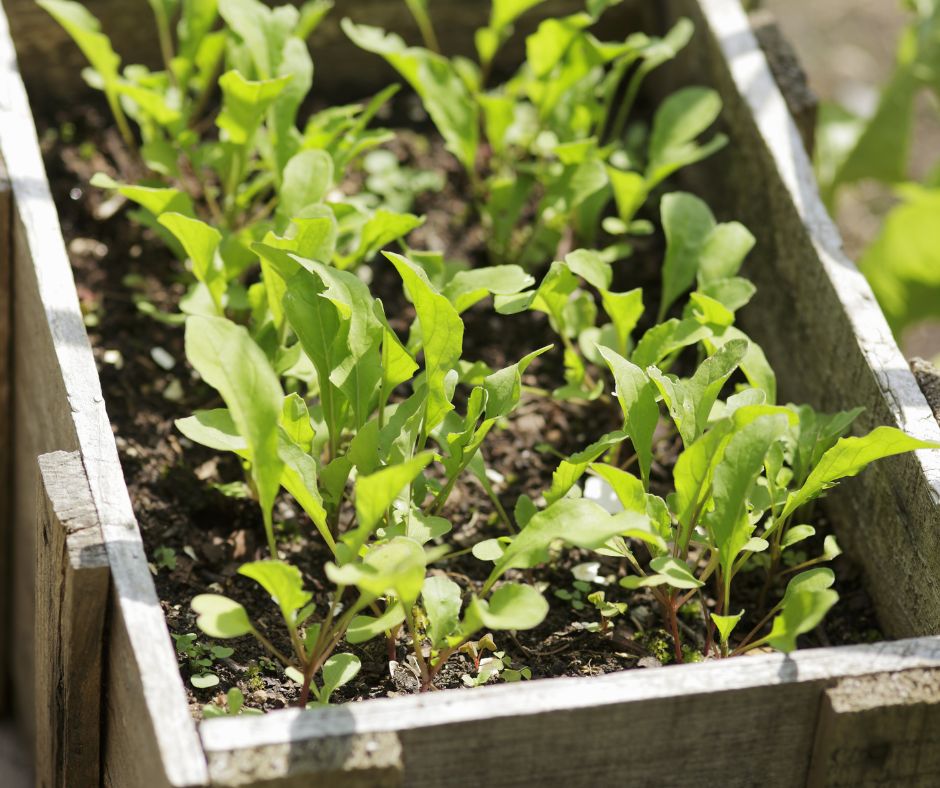
Turning your backyard into a natural sweetener farm is neither expensive nor overly complicated. Here’s how you can grow some versatile sweeteners to use daily.
1. Stevia
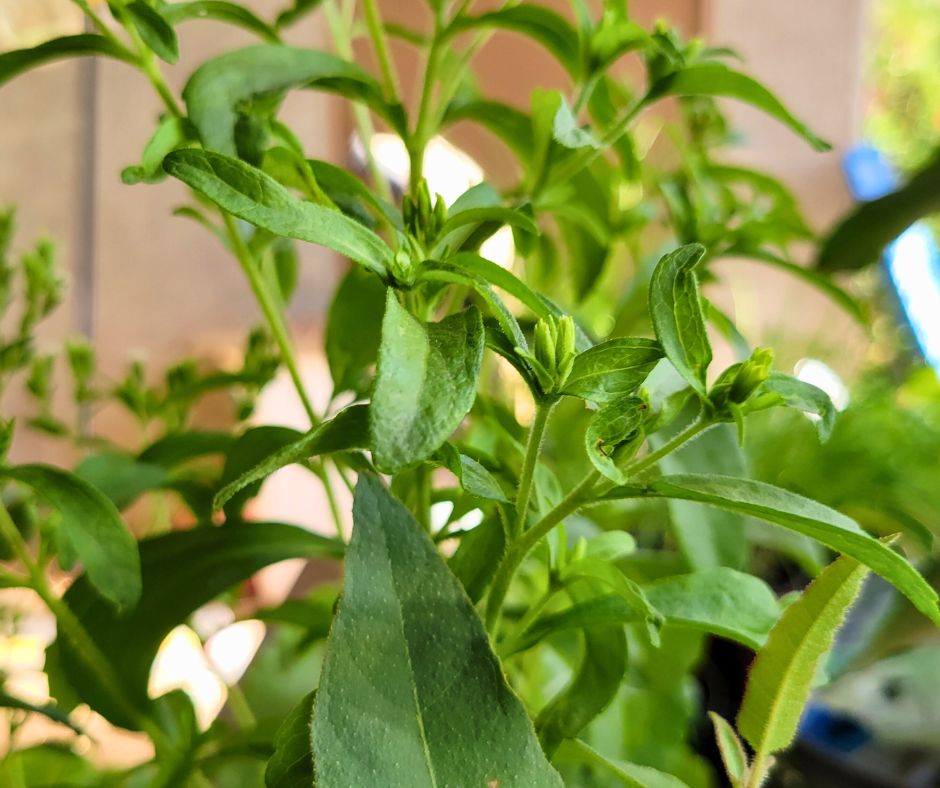
Why Grow Stevia?
Stevia is easy to cultivate and perfect for replacing sugar in most beverages and recipes.
How to Grow Stevia:
- Climate: Thrives in warm climates with plenty of sunshine.
- Planting: Plant stevia seeds or transplants in well-draining soil in spring. Space them 12 inches apart.
- Care: Water regularly but avoid waterlogging. Prune the leaves to encourage growth.
- Harvesting: Pick the leaves when the plant is mature. Dry them and grind into powder for use.
2. Sugar Beets
Why Grow Sugar Beets?
Sugar beets are a natural source of unprocessed sugar and can even thrive in cooler climates.
How to Grow Sugar Beets:
- Climate: Grows best in cool weather and nutrient-rich soil.
- Planting: Sow seeds directly into loose soil in early spring. Space seeds 4–6 inches apart.
- Care: Weed frequently and water consistently.
- Harvesting: Harvest when the beets are around 3–4 inches in diameter. You can extract sugar by boiling and processing the beets at home.
3. Maple Trees
Why Grow Maple Trees?
If you’ve got enough space, a maple tree will supply you with sap you can turn into delicious maple syrup.
How to Grow a Maple Tree for Syrup:
- Climate: Prefer cooler climates with long winters.
- Planting: Plant maple saplings in well-drained soil with access to sunlight. Provide ample space for the tree to grow.
- Care: Ensure the sapling is watered throughout dry periods and add mulch to conserve soil moisture.
- Harvesting: During late winter or early spring, tap the tree to collect sap, then boil it down to create syrup.
- How Old Does the Tree Need to Be to Start Harvesting Sap?
How Old Does the Tree Need to Be to Start Harvesting Sap?
Maple trees typically need to reach about 30 to 40 years of age and have a diameter of at least 10–12 inches before they can be tapped for sap.
Younger trees are not yet mature enough to produce sufficient sap without being harmed.
Once your tree is ready, you can tap it yearly during the sugaring season, ensuring not to over-tap a single tree to maintain its health and longevity.
4. Sorghum
Why Grow Sorghum?
Unknown to many, sorghum syrup is a Southern favorite. It’s a sustainable and hardy crop for making natural sweetener.
How to Grow Sorghum:
- Climate: Prefers warm conditions and tolerates drought.
- Planting: Direct sow seeds in summer with 10–12 inches between plants.
- Care: Water sparingly, but keep soil moist during germination.
- Harvesting: Crush stalks to extract the juice. Boil it to create a molasses-like syrup.
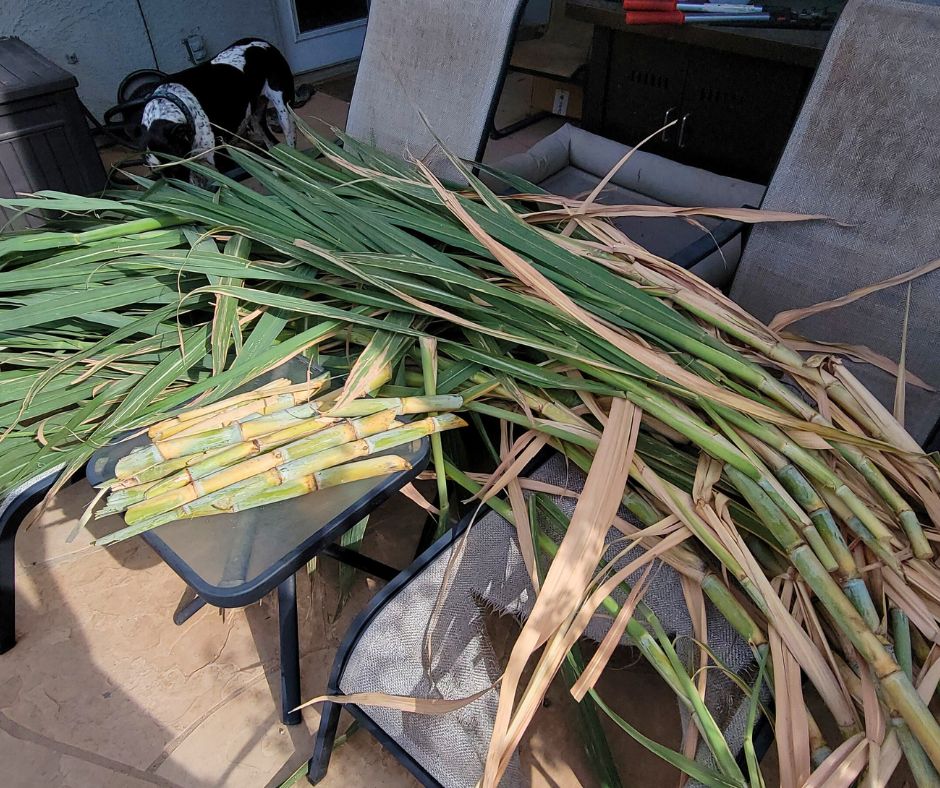
5. Sugarcane
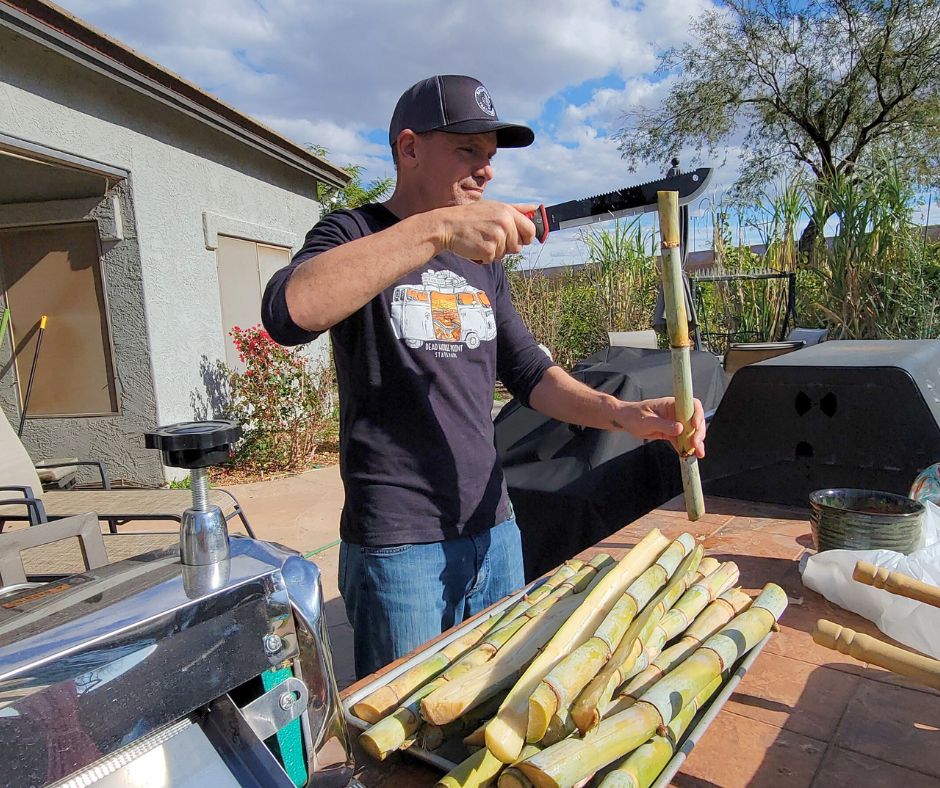
Why Grow Sugarcane?
Sugarcane is a tropical grass that produces a rich, unrefined sweetener. Known for its versatility, sugarcane juice can be enjoyed fresh or processed into raw sugar and syrups.
How to Grow Sugarcane:
- Climate: Thrives in warm, humid climates with plenty of sunshine.
- Planting: Use sugarcane cuttings with at least one node. Plant them horizontally in well-draining soil with adequate spacing.
- Care: Water frequently, especially during dry periods, and fertilize the soil for better yield.
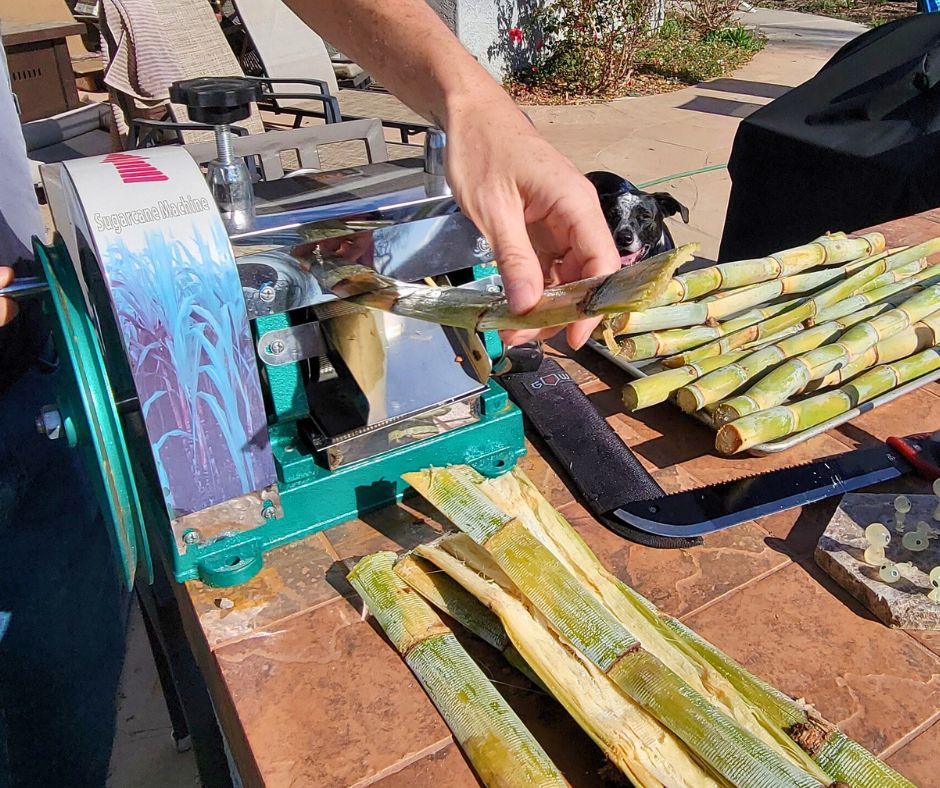
- Harvesting: Cut down the mature stalks when they are at least 8–12 feet tall. Peel and process the stalks to extract the juice, which can be boiled to create a natural syrup or crystals.
See how we grow and harvest sugarcane in our zone 9b backyard here: Harvesting And Juicing Sugarcane At Home
6. Aztec Herb (Tzopelic Xihuitl)
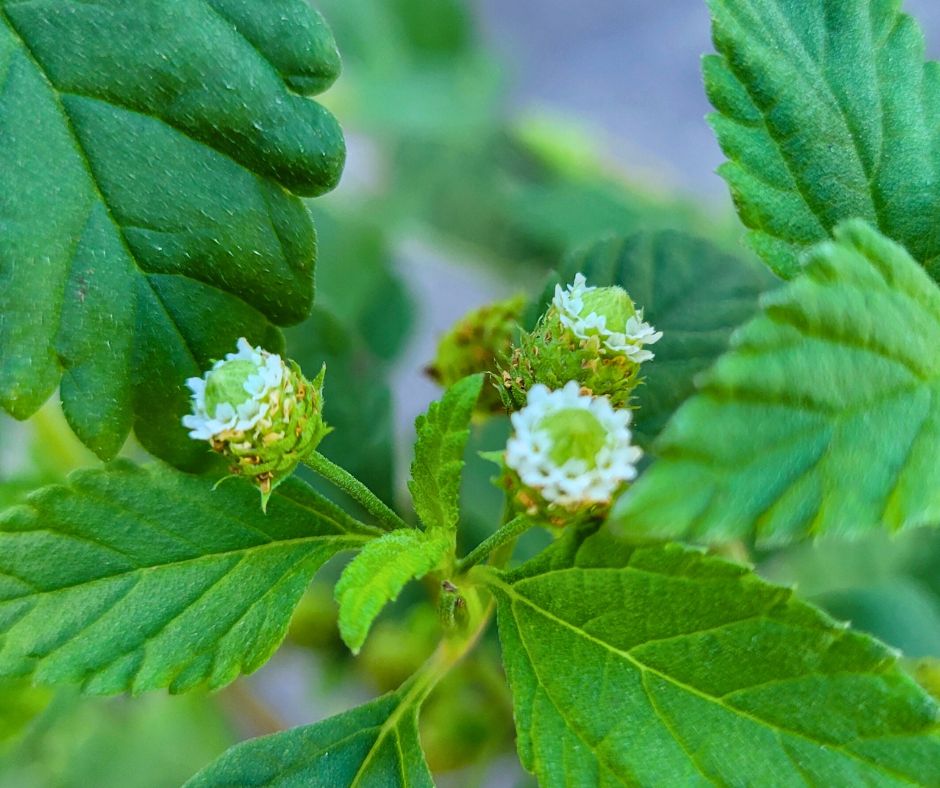
Why Grow Aztec Herb?
Often referred to as “sweet herb of the Aztecs,” Aztec herb is a lesser-known natural sweetener native to Central America.
Its leaves are naturally sweet and can be used fresh or dried to sweeten beverages and desserts.
How to Grow Aztec Herb:
- Climate: Prefers warm temperatures and partial to full sunlight.
- Planting: Propagate through cuttings or seeds in well-drained, fertile soil. Space plants at least 12 inches apart.
- Care: Water regularly and ensure the plant is protected from frost. Prune to maintain its shape and encourage leafy growth.
- Harvesting: Pick the leaves as needed. Dry them to intensify their sweetness and use as a sugar substitute in tea, baked goods, or other recipes.
By incorporating these options into your garden, you’ll have a diverse supply of natural sweeteners, each adding unique flavors and benefits to your kitchen. Happy growing!
Utilizing Homegrown Sweeteners
Your backyard harvest is ready—now what? The possibilities are endless! Here are some creative ways to use homegrown natural sweeteners in your cooking and baking.
Substitutes in Recipes
Swapping refined sugar with natural sweeteners can elevate the flavor of a dish. Here are a few ideas:
- Use stevia in place of sugar for teas, smoothies, or desserts like pudding and custard.
- Replace pancake syrup with fresh, homemade maple syrup from your backyard tree.
- Add sugar beet syrup to baked goods like muffins or pies for a deeper flavor.
Creative Uses
- Sweeten granola or energy bars with your sorghum syrup.
- Make flavored simple syrups for cocktails using dried and sweetened stevia leaves.
- Experiment with honey-like textures with beet sugar syrup in various cuisines.
Pro tip for bakers and chefs alike—always start by substituting in small amounts to find the ideal sweet spot for your recipes.
Sustainability and Health Benefits
Growing sweeteners in your own garden offers benefits far beyond your taste buds.
Environmental Perks
- Reduced carbon footprint: No transportation emissions from importing sweeteners.
- Less packaging waste: Forget the need for store-bought sugar in single-use containers.
- Eco-friendly gardening: By practicing sustainable gardening techniques like composting and water conservation, you can contribute to healthier ecosystems.
Personal Health Benefits
- Nutritious choices: Freshly harvested sweeteners retain more nutrients than refined alternatives.
- Chemical-free: You control the growing conditions, so you can avoid pesticides and harmful chemicals.
- Mindful consumption: Having to grow and process your own sweeteners naturally encourages moderation.
Reap the Sweet Benefits of Growing Your Own
Imagine sipping on your morning tea, sweetened with stevia leaves you picked from your garden. Or baking a cake using syrup made from the sugar beets you grew and harvested yourself.
These small lifestyle changes can create a big impact on your health, your wallet, and the planet.
If you’ve been searching for a way to enhance your diet, practice sustainability, or simply develop a rewarding gardening hobby, growing your own natural sweeteners is the perfect place to start.
Which sweetener are you most excited to grow? Share your thoughts in the comments or send this post to a fellow gardening enthusiast!
Visit the Garden Resources page for supplies and inspiration. Don’t forget to subscribe to the Calendula’s Garden Newsletter for more gardening tips.
Calendula’s Garden is reader supported. When you buy through links on our site, we may earn an affiliate commission. As an Amazon Associate, I earn from qualifying purchases. For more information, view our Disclaimer page. Thank you!