55 Great Books for Gardeners of All Levels
Calendula's Garden is reader suported This post may contain affiliate links, more on our Disclaimer page. Thank you!

If you’re a gardener, then you know that there’s always more to learn. And what better way to expand your knowledge than by reading up on gardening?
We’re excited to share our favorite gardening books from our library with you.
Whether it’s just starting out or if want more information on flower gardens, adding chickens for eggs, and pondering the big picture, we’ve got you covered.
Starting with a personal favorite, The Art of French Vegetable Gardening.
I love the romantic free form of French gardens and try to emulate the wild style in our gardens.
Also included are a couple of my very first garden books, Herbs and Vegetable Gardening Illustrated, which hooked me on gardening as a child. They are simple straightforward manuals with great photos.
So bookmark this page and check back often for updates.
Enjoy these books and many more on any device with Kindle Unlimited.
Or listen to them or your favorite podcast with Audible Plus.
Planning Your Garden
1. The Art of French Vegetable Gardening by Louisa Jones
In The Art of French Vegetable Gardening, Louisa Jones offers a detailed and practical guide to creating a beautiful and productive French-style vegetable garden.
Drawing on her own experience as a gardener and cook, she covers all the essential topics, from choosing the right plants for your garden and preparing the soil, to harvesting and cooking your bounty.
Throughout the book, Jones takes the reader on a tour of France, exploring the country’s rich gardening traditions.
From the well-tended potager gardens of the Loire Valley to the Provençal kitchen gardens of Nice, Jones shows how French gardeners have perfected the art of growing vegetables.
She also offers a wealth of tips and advice on how to create a beautiful and productive vegetable garden of your own.
The result is an indispensable guide that will help you create a stunning French vegetable garden of your own.
2. Backyard Water Gardens by Veronica Lorson Fowler
In Veronica Lorson Fowler’s Backyard Water Gardens, the reader is given step-by-step instructions on how to build their own personal oasis.
From start to finish, Fowler covers everything the would-be water gardener needs to know, from choosing the right location for their garden to selecting plants that will thrive in their new environment.
In addition, the book includes a wealth of tips and tricks for keeping your water garden healthy and beautiful all season long.
Whether you’re looking to add a touch of serenity to your yard or you’re simply hoping to attract more wildlife, Backyard Water Gardens is an essential guide.
3. The Beautiful Edible Garden by Leslie Bennett and Stefani Bittner
Leslie Bennett and Stefani Bittner’s The Beautiful Edible Garden is a practical guide to designing and planting a garden that is both beautiful and productive.
The authors share their own experiences of starting and maintaining an edible garden, offering advice on everything from choosing the right plants to dealing with pests.
They also provide tips on how to turn your harvest into delicious meals, preserves, and other goodies. Whether you’re a beginner gardener or an experienced green thumb, The Beautiful Edible Garden has something to offer.
With its helpful advice, beautiful photographs, and mouth-watering recipes, this book will inspire you to create your own little slice of paradise.
4. Edible Landscaping by Rosalind Creasy
In her book Edible Landscaping, Rosalind Creasy provides readers with a comprehensive guide to incorporating edible plants into their gardens.
Creasy begins by outlining the benefits of edible landscaping, including increased production of nutritious food and the creation of inviting outdoor spaces. She then provides readers with detailed instructions on how to design and maintain an edible landscape.
Creasy covers topics such as choosing the right plants, preparing the soil, and dealing with pests and diseases.
Throughout the book, Creasy includes beautiful color photographs and helpful tips from experienced gardeners.
Edible Landscaping is an essential guide for anyone interested in growing their own food.
5. Food Not Lawns by H.C. Flores
In Food Not Lawns, H.C. Flores offers readers a refreshing take on the traditional yard. Rather than mowing a grassy swath of lawn, Flores suggests growing fruits and vegetables in their place.
Not only is this approach more environmentally friendly, but it can also yield a bountiful harvest of fresh produce.
Flores provides readers with a step-by-step guide to starting their own food gardens, complete with instructions on everything from choosing the right plants to preparing the soil.
With its engaging text and practical advice, Food Not Lawns is sure to inspire readers to turn their yards into verdant oases of fruits and vegetables.
6. Foodscaping by Charlie Nardozzi
In his book Foodscaping, Charlie Nardozzi shows readers how to create a beautiful and bountiful foodscape.
By incorporating edible plants into your landscaping, you can enjoy fresh fruits and veggies while also saving money on groceries.
Nardozzi provides tips and tricks for designing a foodscape that is both gorgeous and practical. He also includes ideas for using foodscaping to attract birds and other wildlife, as well as tips for dealing with pests.
Whether you have a large yard or a small balcony, Foodscaping is the perfect way to turn your outdoor space into a veritable feast for the eyes (and taste buds)!
7. Four-Season Harvest by Eliot Coleman
Four-Season Harvest is a book about how to grow food year-round, even in cold climates. The author, Elliot Coleman, is a pioneer of the organic movement and has been farming for over 40 years.
In the book, he shares his knowledge of how to extend the growing season using simple techniques like cold frames and row covers.
He also discusses how to select varieties of plants that are well-suited to winter conditions and how to care for them during the colder months.
Four-Season Harvest is an invaluable resource for anyone interested in growing their own food year-round.
Whether you’re a beginner or an experienced gardener, this book will teach you everything you need to know about how to reap the benefits of four-season harvests.
8. Gaia’s Garden by Toby Hemenway
In Gaia’s Garden, Toby Hemenway offers readers a guide to creating a healthy and biodiverse home landscape.
Hemenway stresses the importance of working with nature rather than against it and provides readers with the tools they need to create their own sustainable ecosystem.
One of the key concepts in the book is the idea of stacking functions or creating a multi-layered landscape that provides food, shelter, and habitat for a variety of plants and animals.
By following this approach, gardeners can create a landscape that is both beautiful and functional.
In addition to providing step-by-step instructions for creating a stacked garden, Hemenway also discusses the benefits of using native plants, permaculture principles, and complementary plants.
With its blend of practical advice and ecological wisdom, Gaia’s Garden is an indispensable guide for anyone interested in creating a more sustainable home landscape.
9. Herbs: An Illustrated Guide by Sunset Books
Herbs are a great way to add flavor to your cooking without using salt or fat. They can also be used to make homemade teas, potpourris, and aromatherapy oils.
Sunset Books’ Herbs: An Illustrated Guide provides an introduction to growing and using herbs.
The book includes information on the different types of herbs, how to grow them, and how to use them in cooking.
In addition, the book features a section on drying and preserving herbs. Whether you’re a beginner herb gardener or an experienced cook, this book is sure to have something for you.
10. How To Grow More Vegetables by John Jeavons
In How To Grow More Vegetables, John Jeavons offers readers a step-by-step guide to sustainable gardening.
Jeavons begins by explaining the importance of soil health, and he outlines a number of ways to improve soil fertility.
He then describes different methods of planting, including traditional row planting and the more intensive method of biointensive gardening.
Jeavons also discusses the process of succession planting, which allows gardeners to maximize their yield by staggering the planting of different crops.
Throughout the book, Jeavons provides helpful tips on everything from watering to weed control. How To Grow More Vegetables is an essential read for anyone interested in sustainable gardening practices.
11. Landscaping With Nature by Jeff Cox
Landscaping With Nature is all about working with, rather than against, nature. The book provides readers with a step-by-step guide to creating a beautiful and sustainable landscape, using native plants that are well-suited to their local climate.
Jeff Cox begins by discussing the principles of ecological landscaping, such as working with natural ecosystems and respecting the environment.
He then provides detailed instructions on how to select and care for native plants, design an effective irrigation system, and create a planting plan that will ensure your landscape thrives for years to come.
Whether you’re looking to create a low-maintenance garden or attract local wildlife, Landscaping With Nature shows you how to work with nature to create a stunning landscape that will be the envy of your neighbors.
12. All New Square Foot Gardening by Mel Bartholomew
In All New Square Foot Gardening, Mel Bartholomew introduces a new approach to gardening that is simple, efficient, and produces incredible results.
The key is to create a small, highly productive garden using raised beds that are divided into square-foot sections.
This method of gardening requires less time and effort than traditional methods, and it is much easier to maintain.
The soil in each section is carefully prepared with a mix of compost, sand, and vermiculite, which provides the perfect environment for plants to thrive.
The use of Drip irrigation systems and other innovative techniques means that water is used more efficiently and plants stay healthy and strong.
With All New Square Foot Gardening, anyone can enjoy the satisfaction of growing their own fresh fruits, vegetables, and flowers.
Pair with the Seeding Square – Square Foot Gardening Template – Seed Sowing Tool Kit for an easy gift!
13. Organic Manual by J. Howard Garrett
In “Organic Manual,” J. Howard Garrett gives readers the lowdown on everything they need to know about organic gardening.
He covers topics such as composting, fertilizers, and pest control. Garrett’s writing is concise and straightforward, making it easy for readers to learn the basics of organic gardening.
In addition, he includes a wealth of helpful tips and tricks that will enable even novice gardeners to get started with organic gardening.
Whether you’re looking to start your own organic garden or simply want to learn more about this type of gardening, “Organic Manual” is the perfect resource.
14. Vegetable Gardening Illustrated by Sunset Books
Sunset’s “Vegetable Gardening Illustrated” is a must-have guide for any gardener, whether you’re a novice or have been growing your own food for years.
The book covers everything you need to know about growing vegetables, from choosing the right location and soil to planting, watering, and fertilizing.
The book also includes helpful tips on dealing with pests and diseases, as well as information on harvesting and storing your bounty.
With beautiful photographs and step-by-step instructions, “Vegetable Gardening Illustrated” is the perfect resource for anyone who wants to enjoy fresh, homegrown vegetables.
All About Growing Fruit
15. Fruits and Berries for the Home Garden by Lewis Hill
If you’re looking for a guide to growing delicious fruits and berries in your home garden, look no further than Lewis Hill’s “Fruits and Berries for the Home Garden.”
This book covers everything you need to know about choosing and caring for fruit trees and bushes, from apples to strawberries and everything in between.
Hill provides detailed instructions on planting, watering, pruning, and fertilizing, as well as tips on dealing with pests and diseases. He also includes information on harvest times and storage methods.
Whether you’re a seasoned gardener or a complete novice, “Fruits and Berries for the Home Garden” is sure to help you grow bountiful, beautiful fruits and berries that your whole family will enjoy.
16. Grow A Little Fruit Tree by Ann Ralph
In Grow a Little Fruit Tree, Ann Ralph shows readers how easy it is to grow their own fruit trees, even in small spaces.
She provides step-by-step instructions for selecting and planting a tree, pruning to maintain a small manageable size as well as tips for caring for it throughout the year.
With Ann’s help, you’ll soon be harvesting delicious fruit that you can enjoy all season long.
Whether you’re a beginner or an experienced gardener, Grow A Little Fruit Tree is a valuable resource that will help you get the most out of your fruit-growing endeavors.
17. Growing Fruit by Harry Baker
Harry Baker’s Growing Fruit is a guidebook for fruit growers of all levels of experience.
The book, published by The Royal Horticultural Society, covers everything from choosing the right fruit trees for your garden to pruning and harvesting.
Baker also includes helpful tips on dealing with pests and diseases.
Whether you’re a beginner looking to add a few apple trees to your backyard or an experienced gardener looking to expand your fruit operation, Growing Fruit has the information you need.
18. Uncommon Fruits for Every Garden by Lee Reich
In Uncommon Fruits for Every Garden, Lee Reich introduces readers to a wide variety of lesser-known fruits that can be easily grown in the home garden.
Reich includes both familiar favorites like elderberries and currants, as well as more unusual selections like gooseberries and serviceberries.
For each fruit, Reich provides essential information on planting, care, and harvesting, as well as tips on how to use the fruit in cooking and crafts.
With Reich’s expert guidance, even novice gardeners will be able to successfully grow these delicious and unusual fruits.
19. What’s Wrong With My Fruit Garden by David Deardorff and Kathryn Wadsworth
David Deardorff and Kathryn Wadsworth’s book “What’s Wrong With My Fruit Garden” is a great resource for anyone who is having trouble growing fruit.
The book starts off with a bang, presenting the reader with a list of common fruit-growing problems and their solutions.
After that, the authors dive into the specifics of each problem, providing clear instructions on how to fix it. In addition to being incredibly helpful, the book is also very enjoyable to read.
The authors have a lively writing style that makes complex topics easy to understand. They also include plenty of humorous anecdotes and tips, making the book an enjoyable read from start to finish.
If you have trouble growing fruit, “What’s Wrong With My Fruit Garden” is definitely the book for you.
It’s All About The Details Geek Out On Single Plants

20. Collards by Edward H. Davis and John T. Morgan
In Collards, Edward H. Davis and John T. Morgan take an in-depth look at the history and cultivation of this popular leafy green.
The book details the many ways in which collards can be prepared, from simple steamed greens to more elaborate dishes such as stuffed collard leaves.
The authors also offer advice on how to grow and maintain a healthy collard patch, whether in a garden or in containers.
With its mouthwatering recipes and practical tips, Collards is sure to become a staple in any cook’s kitchen.
Enjoy these books and many more on any device with Kindle Unlimited.
Or listen to them or your favorite podcast with Audible Plus.
21. The Edible Pepper Garden by Rosalind Creasy
The Edible Pepper Garden is a book about, you guessed it, peppers! But not just any peppers, delicious peppers that you can grow in your own garden and then cook with.
The book starts off with a brief history of peppers, tracing their origins back to South America.
Creasy then goes on to describe the different types of peppers available, from sweet bell peppers to fiery habaneros. Her goal is to help readers find the perfect pepper for their taste and gardening conditions.
She also provides detailed instructions on how to grow and care for pepper plants, as well as tips on harvesting and preserving the peppers.
In addition to being a helpful guide for gardeners, The Edible Pepper Garden is also full of mouth watering recipes that showcase the versatility of these delicious vegetables. If you like your food mild or spicy, this book is sure to have a recipe that will please your palate.
22. Growing Great Garlic by Ron L. Engeland
Ron L. Engeland’s “Growing Great Garlic” is a fun and informative guide to growing your own garlic.
Engeland, a former horticulturist with the University of Minnesota, includes everything you need to know about planting, growing, and harvesting garlic.
He covers topics such as choosing the right variety of garlic for your climate, preparing the soil, and watering and fertilizing your plants.
Engeland also provides helpful tips on how to deal with common problems such as pests and diseases.
“Growing Great Garlic” is an indispensable guide to growing this versatile and flavorful herb.
23. Growing Tasty Tropical Plants by Laurelynn G. Martin and Byron E. Martin
From coconuts and pineapples to mangoes and guava, there is no shortage of delicious tropical fruits to enjoy.
But did you know that you can also grow your own tasty tropical fruit plants at home? In their book Growing Tasty Tropical Plants, Laurelynn G. Martin and Byron E. Martin show readers how to cultivate a variety of delectable fruits, including bananas, citrus fruits, papayas, and more.
The book provides step-by-step instructions for growing each type of plant, from choosing the right variety to planting and care.
In addition, the authors offer helpful tips on harvesting and using fruits in recipes.
Whether you’re looking to add a little sweetness to your smoothies or spice up your salads, Growing Tasty Tropical Plants will help you grow your own delicious fruit at home.
24. How To Grow Citrus Practically Anywhere by Darren Sheriff
Who doesn’t love the taste of fresh citrus fruits? Or the smell of a citrus tree in bloom?
You can learn how to grow your own citrus fruits with this book. In How To Grow Citrus Practically Anywhere, Sheriff provides step-by-step instructions for growing citrus trees in a wide range of climates, from warm tropical regions to cooler temperate zones.
He covers everything from choosing the right tree for your climate and making sure it gets the right amount of sunlight, to watering and fertilizing your tree.
He also offers helpful tips for dealing with common problems like pests and diseases. With Sheriff’s guidance, you’ll be able to grow delicious citrus fruits practically anywhere.
25. Perennial Vegetables by Eric Toensmeier
In Perennial Vegetables, Eric Toensmeier explores the world of vegetables that come back year after year.
These vegetables are often known as “perennials,” and they offer a number of advantages over their annual counterparts.
For one, they require less work to maintain, as they do not need to be replanted each year.
Additionally, perennial vegetables are often more nutritious than annuals, as they are able to draw on a larger root system for nutrients.
Finally, perennial vegetables can help to improve soil health, as their deep roots help to aerate the soil and add organic matter.
In his book, Toensmeier provides detailed information on how to grow and care for a wide variety of perennial vegetables. He also includes recipes and tips on how to incorporate these veggies into your diet.
Perennial Vegetables is sure to provide you with all the information you need to get started growing your own food.
26. Pomegranate Roads by Dr. Gregory M. Levin
Dr. Gregory M. Levin’s Pomegranate Roads is a delightful blend of travelogue, memoir, and botanical history. In lyrical prose, Levin chronicles his travels through Turkey in search of the elusive pomegranate flower.
A patient and knowledgeable guide, Levin takes readers on a fascinating journey through the streets of Istanbul, the mountains of Cappadocia, and the remote villages of Anatolia.
Along the way, he shares his insights into Turkish culture and offers a glimpse into the country’s rich botanical heritage.
But at its heart, Pomegranate Roads is a love letter to a forgotten fruit. With passion and humor, Levin tells the story of his lifelong obsession with the pomegranate and its potential to change the world.
A fascinating read for anyone who loves food, travel, or botany, Pomegranate Roads is sure to delight and inspire.
27. Salad Leaves for All Seasons by Charles Dowding
In Salad Leaves for All Seasons, Charles Dowding shares his expert knowledge on how to grow delicious salad greens all year round.
He begins by explaining the basics of seed germination and soil health, then provides detailed instructions on how to sow, thin, water, and harvest a variety of lettuce, spinach, and other greens.
He also includes helpful tips on dealing with pests and diseases.
With Charles Dowding’s advice, anyone can enjoy fresh, homegrown salad greens no matter what time of year it is.
28. The Savage Garden by Peter D’Amato
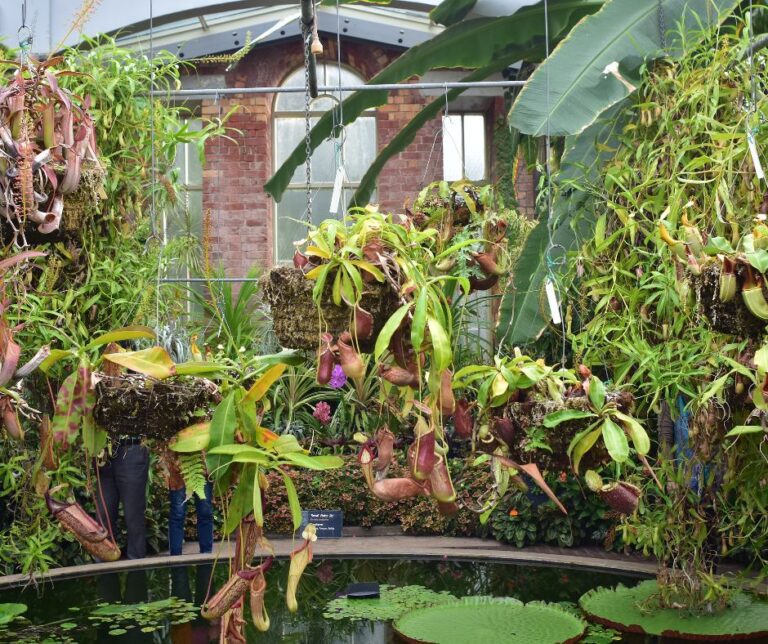
The Savage Garden is a book about gardening with carnivorous plants. The author, Peter D’Amato, is a leading expert on these strange and fascinating plants, and in this book, he shares his vast knowledge with the reader.
The book starts with a brief history of carnivorous plants, tracing their evolution from simple pitfall traps to the complex pitcher plants of today.
D’Amato then goes on to describe the different types of carnivorous plants, explaining how they capture and digest their prey.
He also offers advice on how to grow these plants, both in the garden and in the wild.
With its blend of facts and horticultural tips, The Savage Garden is an essential guide for anyone interested in these unusual plants.
29. The Whole Okra by Chris Smith
The Whole Okra is a book about, you guessed it, okra! Whether you’re looking to add more nutrition to your diet or simply expand your culinary horizons, The Whole Okra is a great resource.
This book is packed with fun facts, history, trivia, and more than 50 delicious recipes featuring everyone’s favorite vegetable.
Whether you’re a fan of fried okra, gumbo, or pickled okra, you’ll find something to love in this book.
With its lighthearted tone and abundance of information, The Whole Okra is the perfect read for anyone who wants to learn more about this unique vegetable.
Smith begins by discussing the history of this humble vegetable, tracing its origins to Africa.
He then delves into the nutritional value of okra, describing how it is packed with vitamins and minerals.
Next, Smith shares some of the many ways that okra can be used in cooking, from soups and stews to stir-fries and curries. Finally, he offers tips on how to grow okra in your own garden.
Attracting Beneficial Creatures to the Garden
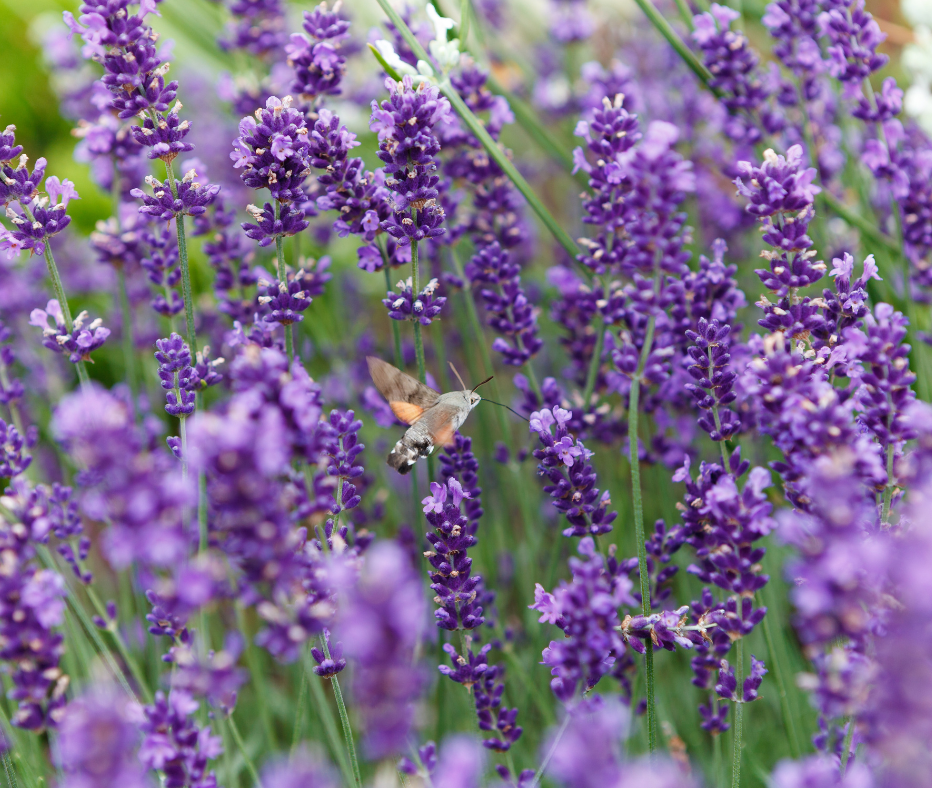
30. 100 Plants to Feed the Bees by The Xerces Society
In this helpful guide, the Xerces Society provides an overview of the various plants that are essential for supporting local bee populations.
The book begins with a discussion of the importance of bees and their role in pollinating crops and wild plants.
It then goes on to describe the different types of bees found in North America, including bumblebees, honeybees, and mason bees.
The bulk of the book is devoted to providing a species-by-species account of the plants that are most attractive to bees.
Each entry includes information on the plant’s blooming period, height, and preferred growing conditions.
With its clear descriptions and stunning photographs, 100 Plants to Feed the Bees is an essential resource for anyone interested in helping to create a bee-friendly habitat.
15 Great Plants For Fall Pollinator Gardens
31. The Bee-Friendly Garden by Kale Frey and Gretchen LeBuhn
The Bee-Friendly Garden is a fun and informative guide to creating a bee-friendly garden. Written by Kale Frey and Gretchen LeBuhn, the book provides readers with everything they need to know to attract bees to their gardens.
The book begins with an overview of the importance of bees, highlighting their vital role in pollination.
It then provides practical tips on how to create a bee-friendly environment, including the type of plants that bees find most attractive.
The book also includes a section on how to build a Bee Hotel, providing step-by-step instructions on how to create a safe haven for bees.
Overall, The Bee-Friendly Garden is an enjoyable and informative read that will leave you with a greater appreciation for these important creatures.
Nurturing Nature: Pollinator Garden Water Source Ideas
32. Real Gardens Grow Natives by Eileen M. Stark
Real Gardens Grow Natives is a gardening book with a difference – it focuses on native plants.
The author, Eileen M. Stark, is a passionate advocate for using native plants in gardens, and she provides readers with all the information they need to create their own native plant oasis.
She starts by explaining the benefits of native plants, including their resistance to pests and diseases, their ability to attract wildlife, and their low maintenance requirements.
She then goes on to provide detailed information on how to choose the right plants for your garden, how to care for them, and how to control pests and diseases.
Real Gardens Grow Natives will give you all the tools you need to create a beautiful native plant garden.
Ready to Add Fur, Feathers, or Fins to Your Garden?
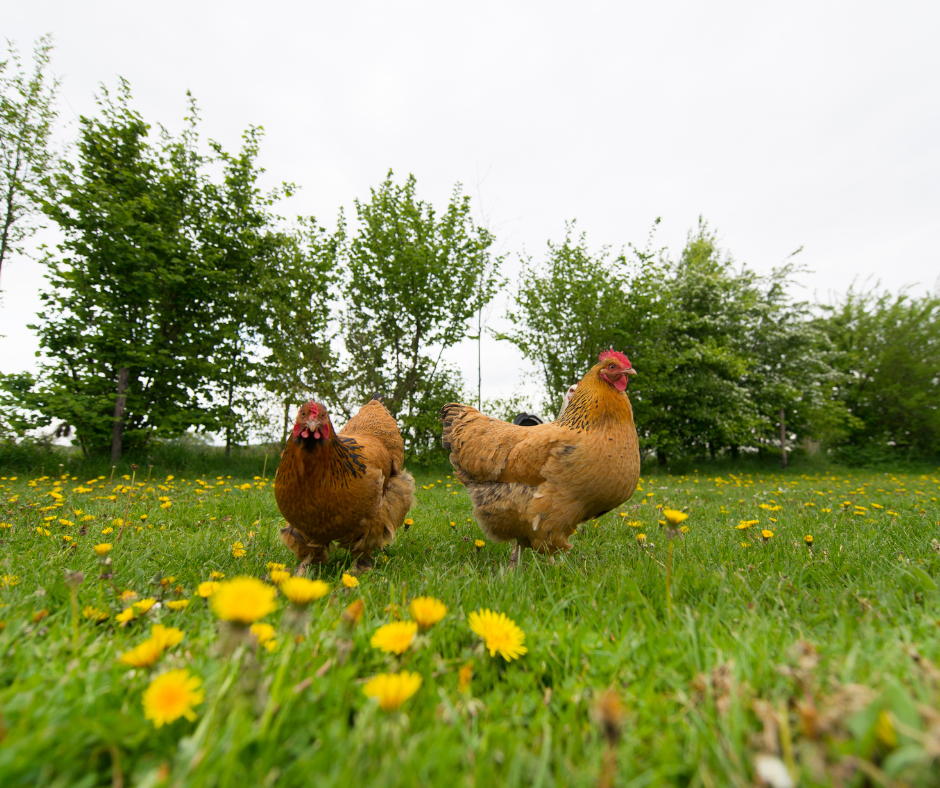
33. Aquaponic Gardening by Sylvia Bernstein
Aquaponic gardening is a revolutionary way to garden that combines the best of both worlds: fresh, organic produce and beautiful freshwater fish.
In her book, Aquaponic Gardening, Sylvia Bernstein provides a comprehensive guide to this unique method of gardening.
She begins by explaining the basics of aquaponics, including how it works and what you need to get started.
She then walks readers through the process of setting up their own aquaponic system, from choosing the right fish and plants to caring for the system on a daily basis.
Finally, she offers tips and advice on troubleshooting common problems so that gardeners can enjoy success with their aquaponics setup.
You can find supplies and a wealth of information to help start your own aquaponic garden in The Aquaponic Source. It is the perfect resource for anyone interested in learning more about this innovative gardening method.
34. Backyard Livestock By Steven Thomas
In Backyard Livestock, Steven Thomas provides a comprehensive guide to raising a variety of animals for both food and profit.
The book begins with an overview of the benefits of backyard livestock, including fresh eggs, milk, and meat. It then goes on to provide detailed information on how to care for a variety of animals, from chickens and rabbits to goats and sheep.
Thomas also includes helpful tips on fencing, housing, feeding, and health care.
Finally, the book offers advice on selling your animal products, whether you choose to sell them at farmers markets or online.
With its clear instructions and practical advice, Backyard Livestock is an essential resource for anyone interested in starting their own backyard farm.
35. A Chicken in Every Yard by Robert and Hannah Litt
Robert and Hannah Litt’s Chicken in Every Yard is a fun and informative guide to raising chickens in your own backyard.
The book covers everything you need to know to get started, from choosing the right breed of chicken to building a coop.
The authors also share their own personal experiences of raising chickens, which makes the book even more enjoyable to read.
Whether you’re looking to produce your own eggs or simply want some friendly pets, Chicken in Every Yard is a great resource that will help you get started.
36. Storey’s Guide to Raising Chickens by Gail Damerow
Gail Damerow’s Storey’s Guide to Raising Chickens is a comprehensive guide to all things chicken.
The book covers everything from choosing the right breed of chicken for your needs to caring for your chickens throughout their lives. One of the book’s core themes is the importance of providing your chickens with a clean and comfortable home.
Damerow provides detailed instructions on how to build a variety of chicken coops, as well as advice on cleaning and maintaining them.
The book also includes information on feeding and watering chickens, dealing with common health problems, and even egg production.
Whether you’re a first-time chicken owner or an experienced farmer, Storey’s Guide to Raising Chickens is sure to provide you with valuable insights into this rewarding hobby.
Enjoying Your Harvest
37. Ball Complete Book of Home Preserving by Judi Kingry and Lauren Devine
The Ball Complete Book of Home Preserving is the perfect guide for anyone interested in learning the art of preserving food.
The book begins with a brief history of food preservation, tracing its origins back to early civilizations. From there, it covers all the basics, including canning, pickling, and fermenting.
The second half of the book is devoted to recipes, organized by type of food.
Whether you’re looking to preserve fruits, vegetables, meat, or fish, you’ll find plenty of delicious and easy-to-follow recipes.
With clear instructions and step-by-step photographs, Ball Complete Book of Home Preserving makes preserving simple and fun.
38. The Book of Greens by Jenn Louis
In The Book of Greens, Jenn Louis offers a comprehensive guide to cooking with leafy greens.
Divided into sections on different types of greens, the book provides information on how to select, store, and prepare each one.
Louis also includes a wide variety of recipes, from salads and soups to main dishes and side dishes.
With its clear instructions and delicious recipes, The Book of Greens is an indispensable tool for anyone who loves leafy greens.
39. The Drunken Botanist by Amy Stewart
In The Drunken Botanist, Amy Stewart explores the fascinating world of plants and alcohol. She begins with a brief history of fermentation, delving into the science of yeast and how it transforms simple sugars into complex flavors.
She then turns her attention to the many different types of alcohol that are made from plants, including beer, wine, and spirits.
Stewart discusses the wide variety of fruits, grains, and vegetables that are used to make alcohol, highlighting the unique flavor profiles that they impart.
She also offers tips on how to grow your own ingredients for making booze, as well as recipes for some of her favorite cocktails. The Drunken Botanist is a delightful read for anyone who loves plants, booze, or both.
40. Six Seasons by Joshua McFadden
In Six Seasons, Joshua McFadden offers a fresh and innovative approach to cooking with vegetables.
Drawing on his experience working at some of the world’s best restaurants, he shows how to make the most of what’s in season, whether it’s asparagus in spring or squash in winter.
With more than 100 recipes organized by season, Six Seasons is an indispensable resource for anyone who wants to eat well year-round.
McFadden begins by teaching readers how to think like a chef, demystifying the role of ingredients and seasonality in cooking.
He then moves on to share his approach to each season, with chapters dedicated to spring, summer, fall, and winter.
In each chapter, McFadden provides recipes for dishes that highlight the unique flavors of the season’s produce. Whether it’s roasted beets with grilled radicchio in winter or summer squash carbonara in summer, each dish is simple yet inventive, and sure to please vegans and meat-eaters alike.
With its expansive coverage of vegetables and seasons, Six Seasons is an essential cookbook for anyone who cares about eating well. You’ll find plenty of inspiration within its pages.
Tips, Tricks, and Projects That Make Gardening Easier
41. Carrots Love Tomatoes by Louise Riotte
Carrots Love Tomatoes is a gardening book written by Louise Riotte that offers advice on companion planting, or the practice of growing different plants together in order to support each other’s growth.
For example, Riotte recommends planting tomatoes next to carrots, as the carrots will help deter insects from attacking the tomatoes.
The book also includes information on other plant partnerships, such as beans and cucumbers, and how to create a balanced garden ecosystem.
With its simple illustrations and straightforward language, Carrots Love Tomatoes is an accessible and informative guide for beginner gardeners.
42. The Complete Guide to Greenhouse & Garden Projects by Black & Decker
If you’ve ever dreamed of having your own greenhouse or garden but didn’t know where to start, Black & Decker’s The Complete Guide to Greenhouse & Garden Projects is the perfect book for you.
The book begins with an introduction to the basics of greenhouse design and construction, including choosing the right size and location for your greenhouse.
Next, the book provides step-by-step instructions for creating a variety of different gardens, from herb gardens and flower gardens to vegetable gardens and fruit gardens. T
This book also includes detailed plans for building a variety of different types of greenhouses, from simple cold frames to more complex solarium.
In addition, the book includes tips on how to care for your plants and how to troubleshoot common problems. Whether you’re a beginner gardener or an experienced greenhouse builder, The Complete Guide to Greenhouse & Garden Projects by Black & Decker is an essential resource.
Budget Friendly Privacy Screen Ideas for Your Patio
43. Seed to Seed by Suzanne Ashworth
Seed to Seed is a seed saving book written by Suzanne Ashworth and published in 2002. The book provides detailed instructions on how to save seeds from various vegetables, including beans, lettuce, and tomatoes.
It also covers topics such as seed selection, pollination, and storage. Seed to Seed is an excellent resource for gardeners who are interested in seed saving, and it offers valuable information on how to produce high-quality seeds.
This book is well organized and easy to follow, making it a valuable addition to any gardener’s library.
44. Vertical Gardening by Derek Fell
In Vertical Gardening, Derek Fell provides readers with everything they need to know to get started with this space-saving gardening technique.
He begins by explaining the benefits of vertical gardening, such as the fact that it allows plants to receive more sunlight and prevents soil compaction.
He then provides detailed instructions for building a variety of vertical garden structures, from simple trellises to elaborate multi-tiered systems.
In addition, he offers tips on choosing the right plants for vertical gardens and shares his own secrets for success.
Whether readers are looking to add a few potted plants to their balconies or create an entire vertical garden, Fell’s book offers everything they need to get started.
45. Worms Eat My Garbage by Mary Appelhof
In Worms Eat My Garbage, Mary Appelhof shares her passion for vermicomposting – using worms to compost food waste.
She begins by explaining the basics of the process, including how to set up a worm bin and care for the worms.
This book contains a wealth of information on what to compost and what not to compost, as well as how to use worm compost in the garden.
Throughout the book, Appelhof’s love of worms is evident, and her detailed instructions make it easy for readers to get started with vermicomposting.
Worms Eat My Garbage is an essential guide to making your own nutrient-rich compost.
Garden Inspiration
46. Farm City by Novella Carpenter
Novella Carpenter’s “Farm City” is an engaging and often funny account of her experiences as an urban farmer in Oakland, California.
Carpenter begins by recounting her childhood in Montana, where she developed a love for animals and the outdoors.
She then chronicles her move to the Bay Area, where she began keeping chickens in her backyard and eventually started a small farm on a vacant lot. Through hard work and determination, Carpenter was able to transform the lot into a thriving farm that supplied her with fresh eggs, produce, and even honey.
However, her success was not always easy, and she faced many challenges along the way, including resistance from neighbors and city officials.
“Farm City” is a moving tale of one woman’s journey to follow her dream, and it will leave readers eager to get their hands dirty in their own backyard gardens.
47. The Good Food Revolution by Will Allen
In The Good Food Revolution, Will Allen tells the story of how he went from being a basketball star to becoming a pioneer in the local food movement.
Raised on a farm, Allen knew the importance of fresh food and healthy eating, but it wasn’t until he started working in an inner-city community garden that he realized the full extent of the problem.
Despite the fact that there are more than enough resources to feed everyone on the planet, millions of people go hungry every day.
By starting his own two-acre farm in Milwaukee, WI and teaching others about sustainable agriculture, Allen is working to change that.
The Good Food Revolution is an inspiring story of one man’s fight to bring fresh food to those who need it most.
48. Growing Food in a Hotter, Drier Land by Gary Paul Nabhan
In “Growing Food in a Hotter, Drier Land,” Gary Paul Nabhan explores the effects of climate change on agriculture and offers solutions for how we can adapt.
As the title suggests, the book focuses on the American Southwest, where Nabhan has spent much of his life.
He begins by describing the various ways that climate change is already affecting the region, from longer droughts to more frequent wildfires. Then goes on to discuss the important role that agriculture plays in combating climate change.
For example, he highlights the importance of cover crops in reducing water usage and preventing soil erosion.
In addition, he discusses new methods of irrigation that are being developed to cope with increasingly scarce water resources.
Ultimately, Nabhan provides a hopeful message that it is possible to adapt to a changing climate and even use agriculture as a tool for mitigating the effects of climate change.
49. Heirloom Notes From An Accidental Tomato Farmer by Tim Stark
Tim Stark wasn’t looking to become a farmer when he inherited an overgrown farm in Pennsylvania. But as he began to clear the land and discover hidden treasures, he found himself drawn to the challenge of growing heirloom tomatoes.
In this heartwarming book, Stark chronicles his journey from novice farmer to award-winning horticulturist, sharing the lessons he learned along the way about patience, perseverance, and the joys of getting your hands dirty.
With humor and humility, he describes the delights and tribulations of working the land, from battling voracious pests to dealing with fickle weather.
He also introduces readers to the fascinating world of heirloom tomatoes, sharing his insights into their history, flavor, and uniqueness.
By turns funny and poignant, Heirloom Notes From An Accidental Tomato Farmer is a loving tribute to the simple pleasures of digging in the dirt and savoring the fruits of your labor.
50. Holy Shit by Gene Logsdon
In Holy Shit, Gene Logsdon offers a humorous and irreverent look at the politics of manure. He begins by tracing the history of human waste management, from early outhouses to modern sewage systems.
He then explores the many uses of manure, from fertilizer to fuel. Finally, he addresses the environmental concerns associated with manure waste.
Despite the serious issues at stake, Logsdon manages to infuse his writing with a healthy dose of humor, making Holy Shit an enjoyable and enlightening read.
51. This Organic Life by Joan Dye Gussow
Joan Dye Gussow’s This Organic Life chronicles the author’s journey from city dweller to a country homesteader.
In this book, Gussow details her move from New York City to a small farm in upstate New York and her efforts to live a more sustainable lifestyle.
Along the way, she offers readers practical advice on gardening, homesteading, and living off the land.
Gussow’s writing is engaging and often humorous, and her love for the natural world is evident on every page. This Organic Life is an informative and entertaining read for anyone interested in sustainable living.
52. The Psychic Power of Plants by John Whitman
In The Psychic Power of Plants, John Whitman explores the fascinating world of plant communication. He draws on scientific research to show how plants are able to sense and react to their environment, often in ways that are still not fully understood by humans.
For example, Whitman describes how some plants can change their color or shape in response to changes in light or temperature.
Others may produce chemicals that attract insects or deter predators. And some plants even seem to be able to choose their own mates!
Whitman also discusses the implications of these findings for our understanding of what it means to be alive.
Ultimately, he shows how plants are far more than just passive organisms; they are dynamic and complex beings that deserve our respect and admiration.
53. The Taste of Country Cooking by Edna Lewis
The Taste of Country Cooking is a classic cookbook by Edna Lewis. First published in 1976, it offers a behind-the-scenes look at the food and culture of the American South.
Lewis was born in Virginia in the early 1900s, and she grew up on her family’s farm. The Taste of Country Cooking provides readers with a glimpse of what life was like for her during that time.
Her family didn’t have much money, so they ate whatever they could grow or catch themselves.
Over the years, Edna learned how to cook the food of her childhood into delicious meals that anyone would enjoy.
The recipes are based on the seasonal eating habits of the region, and they include ingredients that would have been available to Lewis when she was growing up.
This book includes recipes for all sorts of traditional dishes, from fried chicken to cornbread to blackberry cobbler. The book also contains a wealth of information about the history and culture of Southern food.
In addition to recipes, Lewis includes stories about her childhood, advice on cooking techniques, and tips for choosing the best ingredients.
Edna Lewis writes about food with such passion and love that you can’t help but be transported to her world, even if you’ve never stepped foot on a farm. The Taste of Country Cooking is a wonderful book for anyone who wants to learn more about where their food comes from, who enjoys good food, and loves to cook.
54. Teaming With Microbes by Jeff Lowenfels and Wayne Lewis
In Teaming with Microbes, Jeff Lowenfels and Wayne Lewis explore the fascinating world of soil microbes and their role in plant health.
The authors begin by discussing the importance of healthy soil, noting that it is teeming with billions of microbes that play a vital role in plant growth.
The authors then describe the three main types of soil microbes: bacteria, fungi, and protozoa.
Next, they discuss how these microbes interact with plants to provide essential nutrients and protect them from disease.
Finally, the authors offer advice on how to create and maintain a healthy relationship between plants and soil microbes.
With its engaging writing and accessible information, Teaming with Microbes is sure to appeal to anyone interested in learning more about the hidden world of soil life.
55. Weeds by Richard Mabey
Richard Mabey’s Weeds is a delightful and informative guide to the many wild plants that most of us consider being nothing more than pesky weeds.
Mabey introduces us to the fascinating history and surprisingly diverse range of uses for these often-maligned plants.
He also dispels many common myths about weeds, such as the idea that they are all introduced species.
In reality, most weeds are native plants that have simply adapted to live in disturbed habitats such as roadsides and railway embankments.
Far from being a nuisance, these hardy plants can provide us with food, medicine, and even shelter in times of need.
As Mabey so eloquently demonstrates, weeds are an essential part of our natural world, and we would do well to learn to appreciate them.
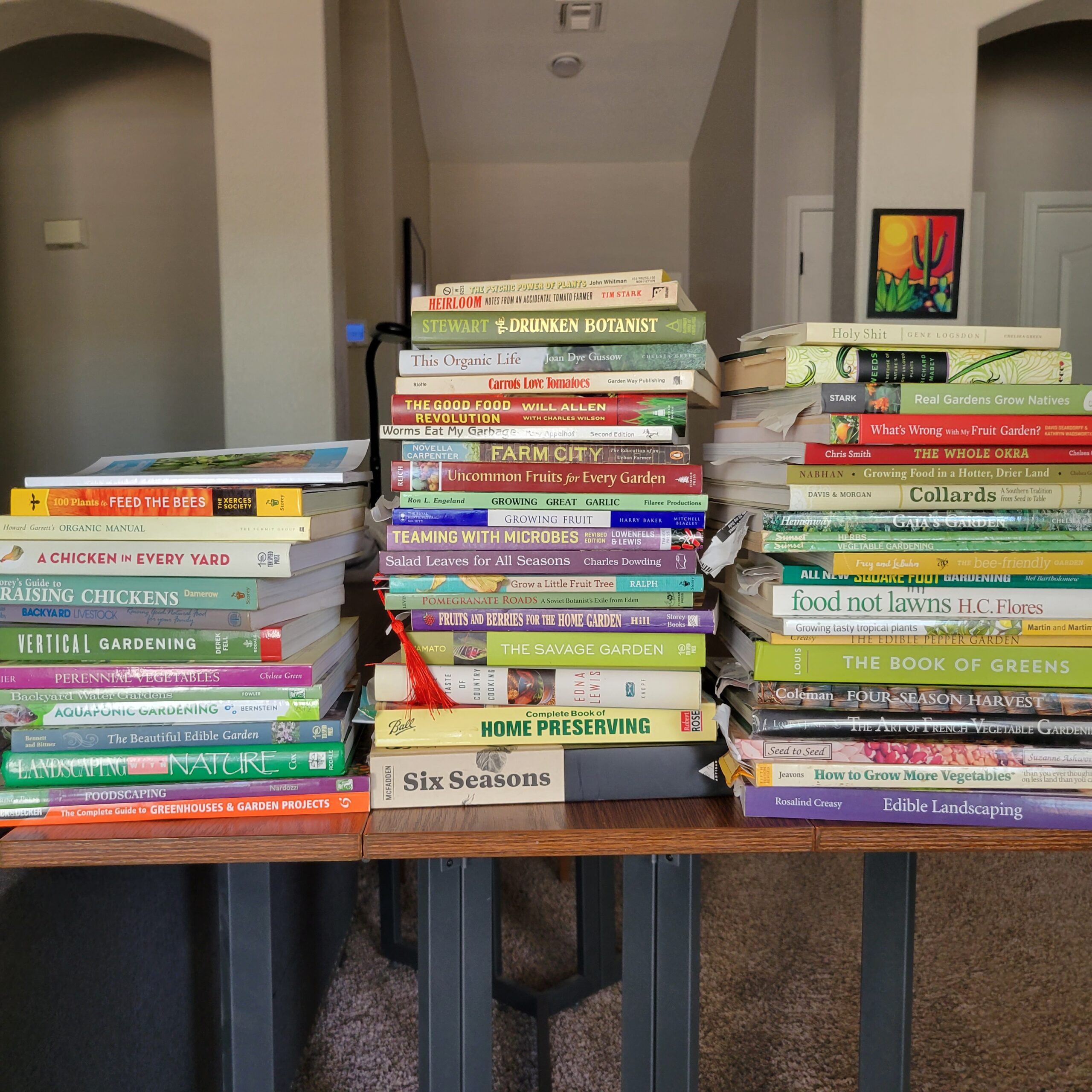
We hope you enjoyed reading this article as much as we enjoyed pulling out all our gardening books and reminiscing.♥
I’m sure you will agree, whether you’re just getting started or you’ve been gardening for years, there’s always something new to learn! We hope this list of books has inspired you to get out there and start (or continue) your gardening journey.
Happy Gardening!
Visit the Garden Resources page for supplies and inspiration. Don’t forget to subscribe to the Calendula’s Garden Newsletter for more gardening tips.
Calendula’s Garden is reader supported. When you buy through links on our site, we may earn an affiliate commission. As an Amazon Associate, I earn from qualifying purchases. For more information, view our Disclaimer page. Thank you!