5 Summer Salad Recipes Featuring Homegrown Garden Veggies
Calendula's Garden is reader suported This post may contain affiliate links, more on our Disclaimer page. Thank you!
Summer is officially here, bringing with it long, sun drenched afternoons and warm evenings perfectly suited for eating outdoors.
If you have a backyard garden, a raised bed, or even just a few pots on a sunny balcony, you already know the unmatched joy of harvesting your own food.
There is something deeply satisfying about walking outside, snipping a few crisp leaves of lettuce, pulling a sun-ripened tomato from the vine, and bringing them straight to your kitchen counter.
Homegrown garden vegetables completely transform the way we eat during the warmer months.
Store bought produce often spends days or weeks in transit, losing flavor and nutritional value along the way.
Your garden veggies, harvested at peak ripeness, deliver a vibrant, crisp, and sweet experience that a supermarket simply cannot replicate.
If you are looking for new ways to use your summer harvest, you are in the right place.
We are going to explore the benefits of seasonal eating, share a few quick gardening tips to keep your plants thriving, and provide five delightful seasonal salad recipes that put your homegrown produce front and center.
Grab your gardening gloves and a mixing bowl, and let’s get started!
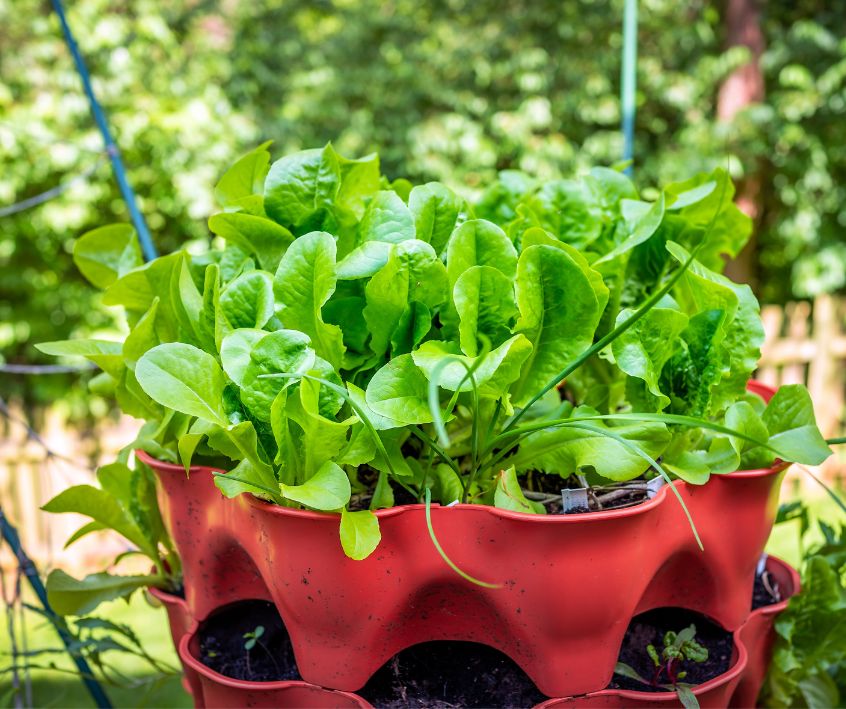
The Benefits of Seasonal Eating and Homegrown Produce
Eating what is currently in season is a brilliant way to maximize the health benefits of your food. When vegetables are allowed to ripen fully on the plant before being harvested, they develop higher levels of vitamins, minerals, and antioxidants.
A summer tomato bursting with lycopene or fresh spinach rich in iron will always be more nutrient-dense when it travels ten steps from your garden rather than two thousand miles in a truck.
Beyond the nutritional advantages, growing your own food offers immense personal satisfaction. Gardening is a grounding activity.
The physical act of planting seeds, watering the soil, and watching green shoots emerge connects you directly to the natural world. It encourages mindfulness and offers a quiet retreat from daily stressors.
Eating seasonally also naturally aligns your diet with the earth’s cycles. Summer provides water-rich, cooling foods like cucumbers and tomatoes exactly when our bodies need hydration most. It is nature’s way of taking care of us, right in our own backyards.
Tips for Growing Your Own Summer Salad Garden (Even in Small Spaces)
You do not need an expansive plot of land to grow an abundance of salad ingredients. Many delicious vegetables thrive in small spaces, provided they get enough sunlight and water.
Where to find seeds, plants, and supplies:
Easy-to-Grow Salad Greens and Vegetables
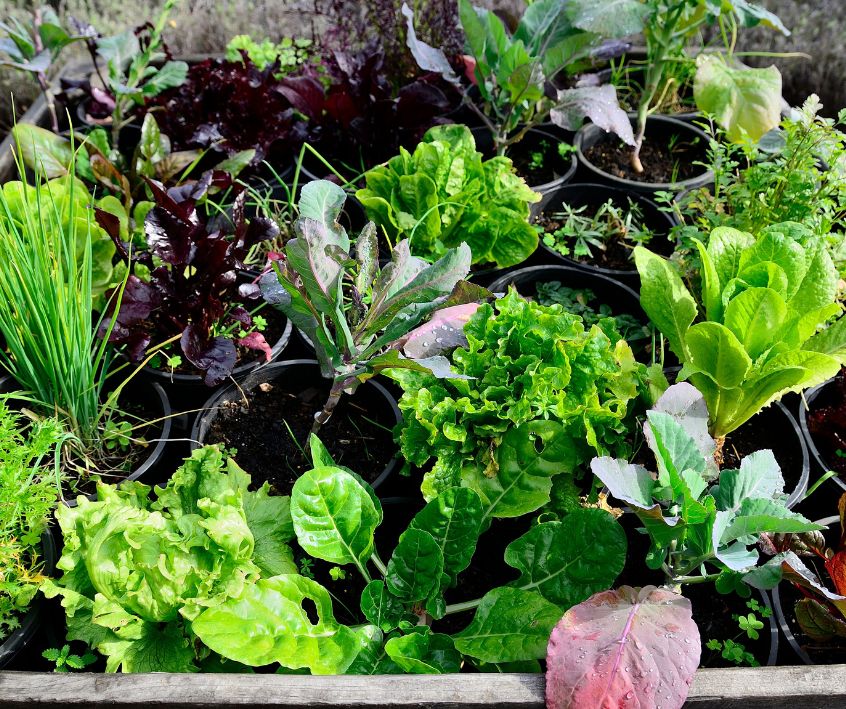
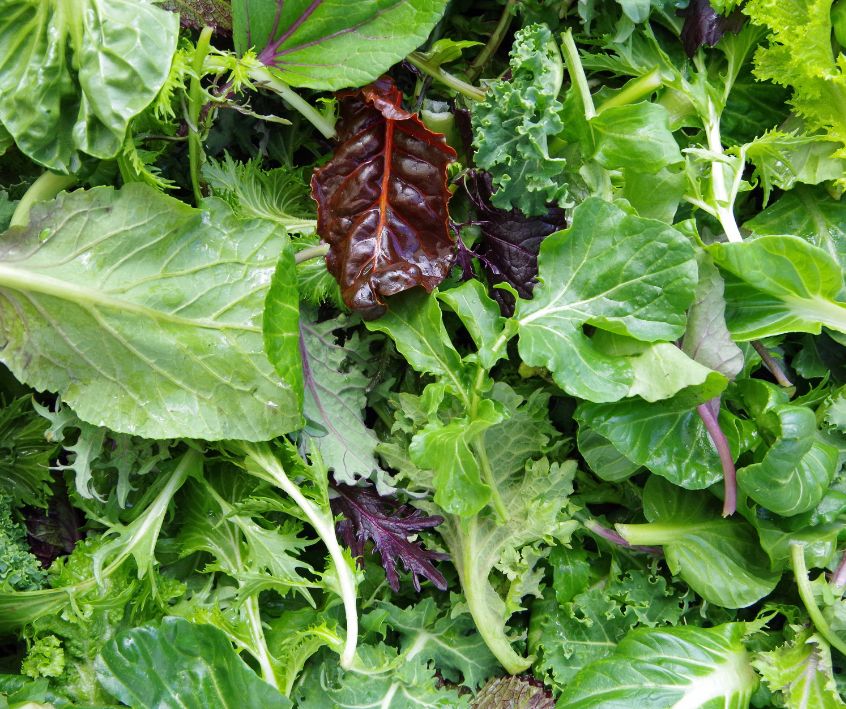
Lettuce, spinach, and arugula are incredibly forgiving and grow quickly. You can often harvest them in as little as four weeks by using the “cut-and-come-again” method. Snipping the outer leaves while allowing the center of the plant to keep growing.
🌱Create a custom garden calendar with our Succession Planting Schedule Calculator
Radishes are another fantastic choice for beginners; they sprout fast and add a wonderful peppery crunch to any dish.
Container Gardening for Urban Dwellers
If you live in an apartment or only have a small patio, container gardening is your best friend. Cherry tomatoes, bush cucumbers, and herbs do exceptionally well in pots.
Ensure your containers have good drainage holes and use a high quality potting mix. A five gallon bucket or a large terracotta pot can yield dozens of sweet cherry tomatoes throughout the season.
Basic Tips for Successful Summer Harvests
Water your plants consistently, preferably in the early morning to reduce evaporation.
Summer heat can dry out soil quickly, so a layer of organic mulch (like straw or untreated grass clippings) can help retain moisture.
Keep an eye out for common pests like aphids, and remember to harvest frequently. Picking your vegetables regularly actually signals the plant to produce even more.
Essential Summer Salad Staples
A truly great salad requires more than just a pile of lettuce. Keeping a few key staples on hand will help you turn a simple bowl of greens into a memorable meal.
First, focus on texture. You want a balance of crunch, softness, and bite. Keep nuts, seeds, or homemade croutons in your pantry to sprinkle on top of your fresh greens.
Second, master a few basic dressings. A good dressing binds the flavors of your homegrown veggies together.
Having a high-quality extra virgin olive oil, a bright acid (like apple cider vinegar, balsamic, or fresh citrus), and a touch of sweetness (like honey or maple syrup) on hand allows you to whip up a vinaigrette in seconds.
Finally, never underestimate the power of fresh herbs. Basil, cilantro, mint, and dill can completely alter the profile of a salad.
Growing these alongside your vegetables guarantees you always have a punch of fresh flavor ready to go.
Recipe 1: The Sunshine Medley Salad with Zesty Lemon Vinaigrette
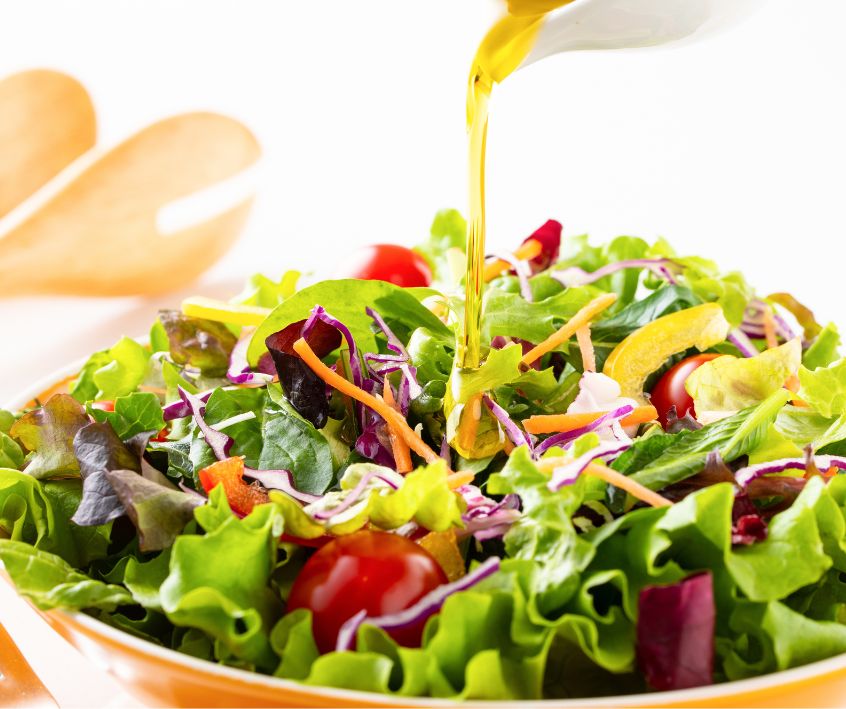
This bright, cheerful salad is a celebration of early summer greens and the first colorful harvests from your garden.
Ingredients
- 4 cups mixed garden greens (lettuce, spinach, arugula)
- 1 cup cherry tomatoes, halved
- 1 small yellow bell pepper, thinly sliced
- 1/2 cup shredded carrots
- 1/4 cup sunflower seeds
- 3 tablespoons extra virgin olive oil
- 2 tablespoons fresh lemon juice
- 1 teaspoon Dijon mustard
- 1/2 teaspoon honey
- Salt and freshly ground black pepper to taste
Instructions
- Wash and dry the mixed garden greens thoroughly. Place them in a large serving bowl.
- Add the halved cherry tomatoes, sliced yellow bell pepper, and shredded carrots to the greens.
- In a small glass jar with a tight-fitting lid, combine the olive oil, lemon juice, Dijon mustard, honey, salt, and pepper. Shake vigorously until the dressing is emulsified and smooth.
- Drizzle the dressing over the salad and toss gently to coat all the vegetables.
- Sprinkle the sunflower seeds over the top just before serving to maintain their crunch.
Recipe 2: Garden Fresh Caprese with a Balsamic Glaze Twist
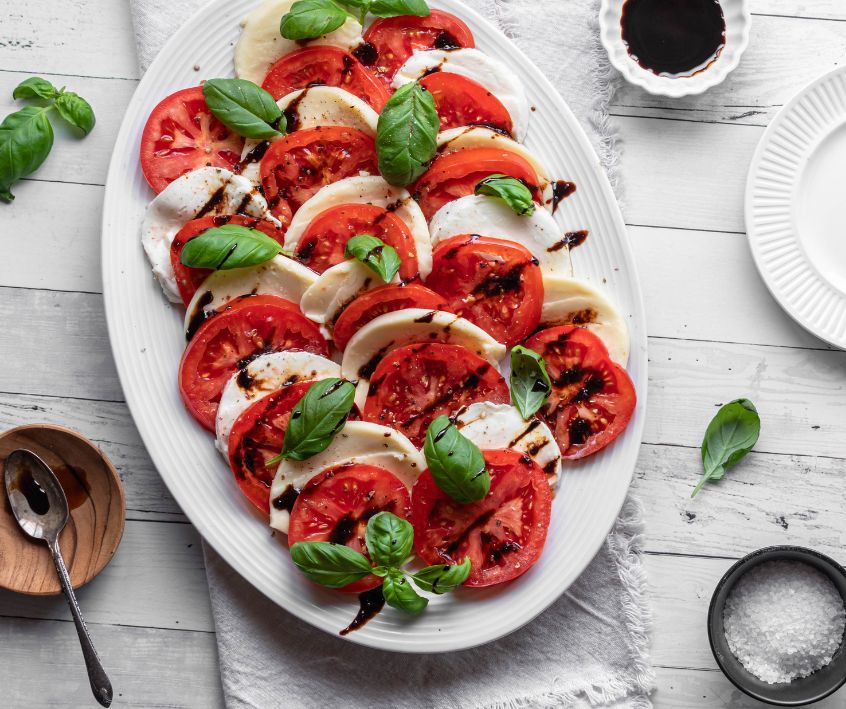
When your tomatoes are heavy on the vine, and your basil is thriving, this Italian classic is an absolute necessity.
Ingredients
- 3 large, ripe heirloom tomatoes, sliced thick
- 8 oz fresh mozzarella cheese, sliced
- 1/2 cup fresh basil leaves, lightly packed
- 2 tablespoons extra virgin olive oil
- 2 tablespoons balsamic glaze (store-bought or homemade by reducing balsamic vinegar)
- Coarse sea salt and cracked black pepper
Instructions
- Arrange the thick tomato slices and fresh mozzarella slices on a large, shallow serving platter, alternating them so they overlap slightly.
- Tuck the fresh basil leaves evenly between the tomato and cheese slices.
- Drizzle the extra virgin olive oil generously over the entire platter.
- Drizzle the balsamic glaze in a zigzag pattern over the tomatoes and cheese.
- Finish with a hearty sprinkle of coarse sea salt and cracked black pepper. Serve immediately at room temperature for the best flavor.
Recipe 3: Spicy Cucumber & Tomato Salad with Feta Crumble
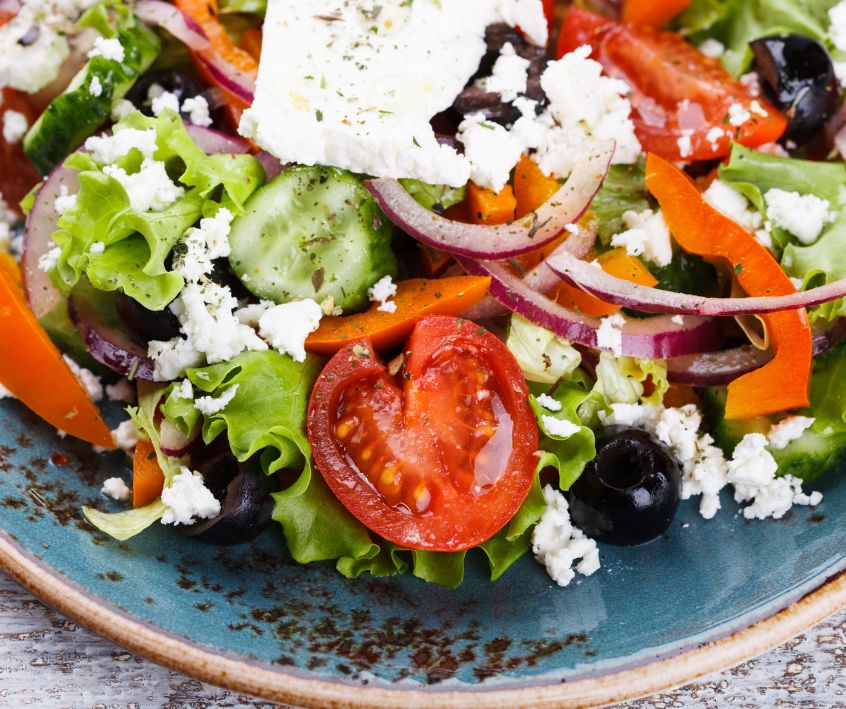
Cucumbers grow rapidly in the summer heat. This hydrating salad uses a kick of spice to balance the cooling nature of the cucumbers.
Ingredients
- 2 medium garden cucumbers, thinly sliced
- 2 cups diced garden tomatoes
- 1/2 red onion, very thinly sliced
- 1/2 cup crumbled feta cheese
- 1 jalapeño, seeds removed and finely minced
- 3 tablespoons olive oil
- 2 tablespoons red wine vinegar
- 1/2 teaspoon dried oregano
- Salt and pepper to taste
Instructions
- In a large bowl, combine the thinly sliced cucumbers, diced tomatoes, sliced red onion, and minced jalapeño.
- In a separate small bowl, whisk together the olive oil, red wine vinegar, dried oregano, salt, and pepper.
- Pour the dressing over the cucumber and tomato mixture. Toss well so the vegetables are fully coated.
- Let the salad sit in the refrigerator for at least 15 minutes to allow the flavors to meld.
- Right before serving, gently fold in the crumbled feta cheese to prevent it from dissolving completely into the dressing.
Recipe 4: Grilled Corn & Black Bean Salad with Avocado Cream Dressing
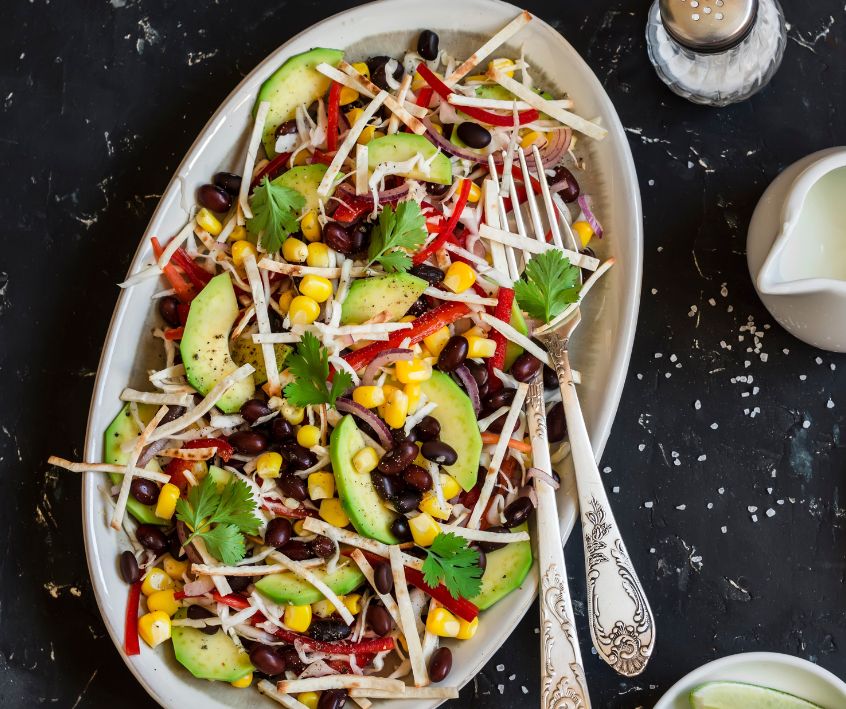
For late summer barbecues, this hearty salad brings a wonderful smokiness that pairs beautifully with fresh garden produce.
Ingredients
- 3 ears of fresh sweet corn, husks removed
- 1 can (15 oz) black beans, rinsed and drained
- 1 cup cherry tomatoes, quartered
- 1/4 cup fresh cilantro, chopped
- 1 ripe avocado, pitted and peeled
- 1/4 cup plain Greek yogurt
- 1 lime, juiced
- 1 clove garlic, minced
- Salt and pepper to taste
Instructions
- Preheat your grill to medium-high heat. Grill the ears of corn, turning occasionally, until they are lightly charred on all sides (about 10 minutes). Remove from the grill and let cool.
- Once the corn is cool enough to handle, use a sharp knife to carefully slice the kernels off the cob. Place the kernels in a large bowl.
- Add the rinsed black beans, quartered cherry tomatoes, and chopped cilantro to the bowl with the corn.
- In a food processor or blender, combine the avocado, Greek yogurt, lime juice, minced garlic, salt, and pepper. Blend until completely smooth and creamy.
- Pour the avocado cream dressing over the corn and bean mixture. Stir thoroughly until all the ingredients are coated in the dressing.
Recipe 5: Berry & Spinach Salad with Candied Pecans and Poppy Seed Dressing
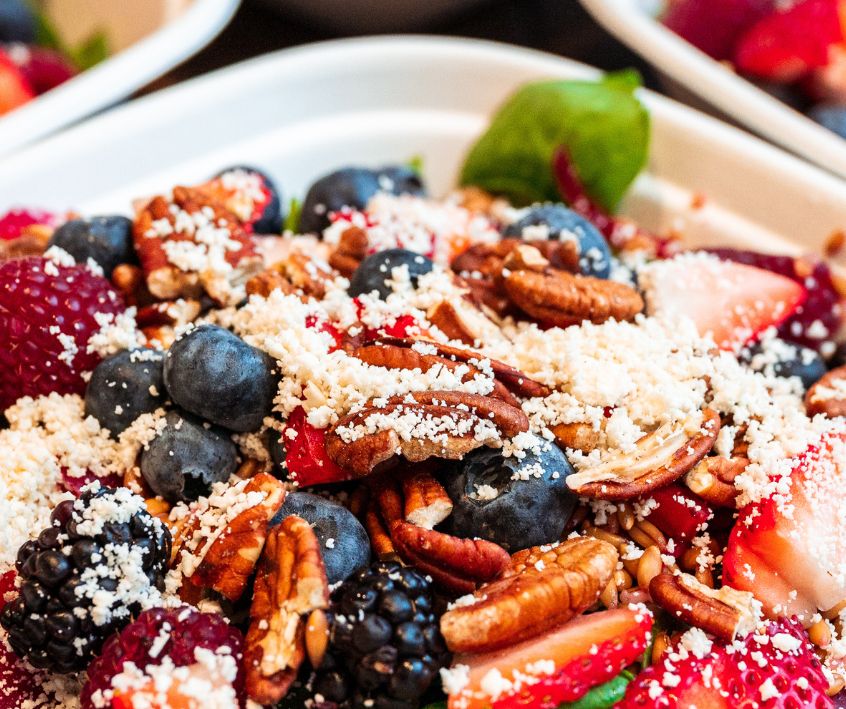
If you grow your own strawberries or raspberries, this elegant, slightly sweet salad is a fantastic way to showcase them alongside tender garden spinach.
Ingredients
- 6 cups fresh baby spinach, washed and dried
- 1.5 cups fresh berries (strawberries, blueberries, or raspberries)
- 1/2 cup candied pecans (or lightly toasted regular pecans)
- 1/4 cup red onion, thinly sliced
- 1/3 cup olive oil
- 3 tablespoons apple cider vinegar
- 2 tablespoons maple syrup
- 1 tablespoon poppy seeds
- 1/2 teaspoon dry mustard
- Pinch of salt
Instructions
- Place the fresh baby spinach into a large serving bowl.
- Top the greens with the fresh berries, candied pecans, and thinly sliced red onion.
- In a jar with a tight lid, combine the olive oil, apple cider vinegar, maple syrup, poppy seeds, dry mustard, and salt. Secure the lid and shake vigorously until well combined.
- Pour the poppy seed dressing over the salad just before you are ready to eat.
- Toss gently to ensure the spinach leaves are lightly coated without crushing the berries.
Making Your Salads Your Own: Customization Tips
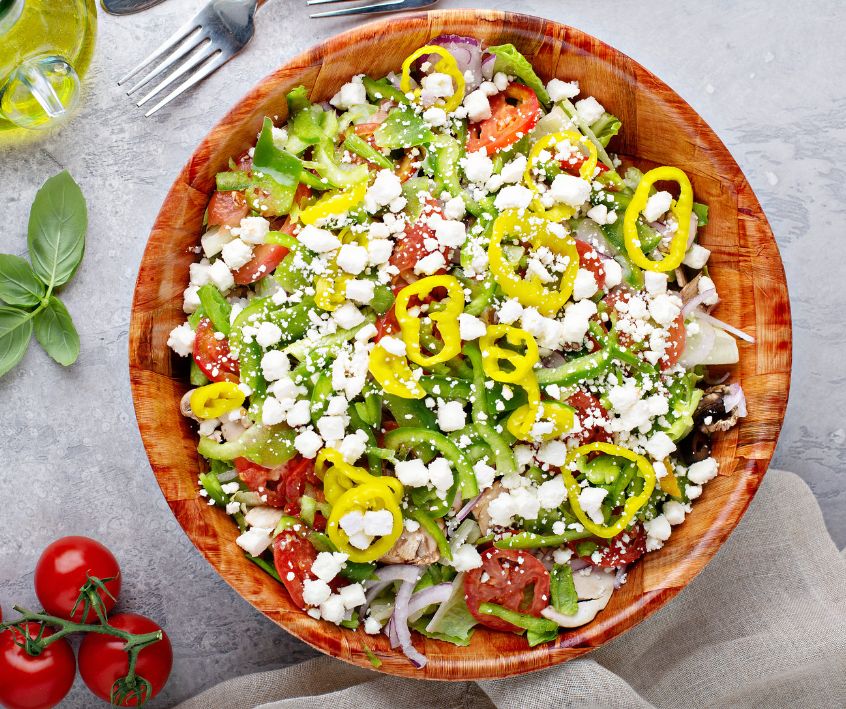
The best part about making salads from your garden is the flexibility. You are never restricted to a rigid recipe.
If a recipe calls for cherry tomatoes but your large beefsteak tomatoes are ripe, simply chop those up instead. If you have an abundance of fresh mint, toss a handful into your berry and spinach salad for a surprising, refreshing twist.
To make these salads more substantial for a main course, easily add your favorite protein. Grilled chicken, roasted chickpeas, pan-seared tofu, or a hard-boiled egg all make excellent, filling additions.
Do not be afraid to experiment with your homemade dressings, either. Swap out lemon juice for lime, or try using infused olive oils. Tasting as you go is the best way to learn what flavors you love the most.
Storing Your Summer Salads and Produce
Keeping your homegrown veggies fresh ensures that none of your hard work goes to waste.
Leafy greens like lettuce and spinach should be washed, dried completely (a salad spinner is a great investment), and stored in the refrigerator in a container lined with a dry paper towel to absorb excess moisture.
Tomatoes, on the other hand, should never go in the fridge! The cold temperature permanently alters their cellular structure, turning them mealy and destroying their flavor. Keep them on your kitchen counter out of direct sunlight.
For prepared salads, always store the dressing separately if you plan to have leftovers. Dressed greens will wilt and become soggy in the refrigerator. Store your chopped, dry vegetables in an airtight container in the fridge, and dress individual portions right before eating.
Savor the Flavors of Summer
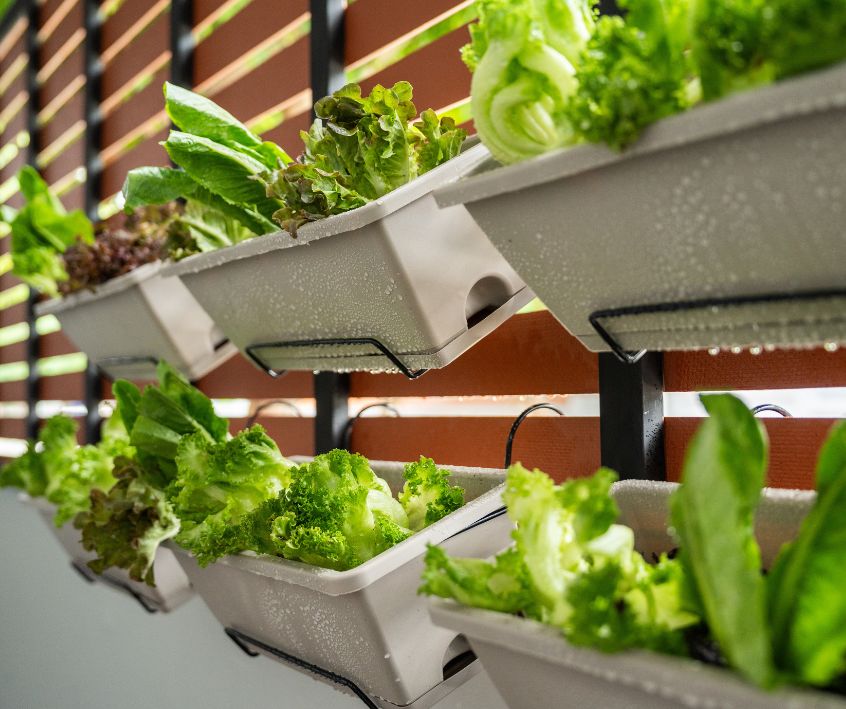
There is a unique pride that comes with serving a meal entirely sourced from seeds you planted and nurtured yourself.
From the simple joy of an early summer lettuce harvest to the heavy, sun-warmed tomatoes of August, growing your own food is a deeply rewarding practice.
We hope these five recipes inspire you to step outside, check on your plants, and get creative in the kitchen.
Remember, gardening is a continuous learning process. Some years the tomatoes thrive, and other years the cucumbers take over the entire yard. Embrace the process, have fun with the flavors, and enjoy the delicious results of your labor.
Do you have a favorite way to prepare your garden vegetables? Or perhaps a secret ingredient for the perfect summer vinaigrette? We would love to hear all about your gardening and culinary adventures. Happy growing, and happy eating!
Visit the Garden Resources page for supplies and inspiration. Don’t forget to subscribe to the Calendula’s Garden Newsletter for more gardening tips.
Calendula’s Garden is reader supported. When you buy through links on our site, we may earn an affiliate commission. As an Amazon Associate, I earn from qualifying purchases. For more information, view our Disclaimer page. Thank you!