5 Signs Your Indoor Plants Need More Light
Calendula's Garden is reader suported This post may contain affiliate links, more on our Disclaimer page. Thank you!
Bringing a plant into your home is like welcoming a new, leafy friend. You give it a prime spot, water it diligently, and talk to it (we all do it!).
But sometimes, despite our best efforts, our green companions can seem a little down. More often than not, the culprit is a lack of one crucial ingredient: light.
Just like we need food to survive, plants need light for a process called photosynthesis. This is how they create their own energy to grow, produce lush leaves, and stay vibrant.
Without enough light, they start to show signs of distress. Understanding these signs is the first step to helping your plant thrive again.
This guide will walk you through five common indicators that your indoor plant is craving more sunshine, and what you can do to help it get the light it needs.
1. Leggy Growth (Etiolation)
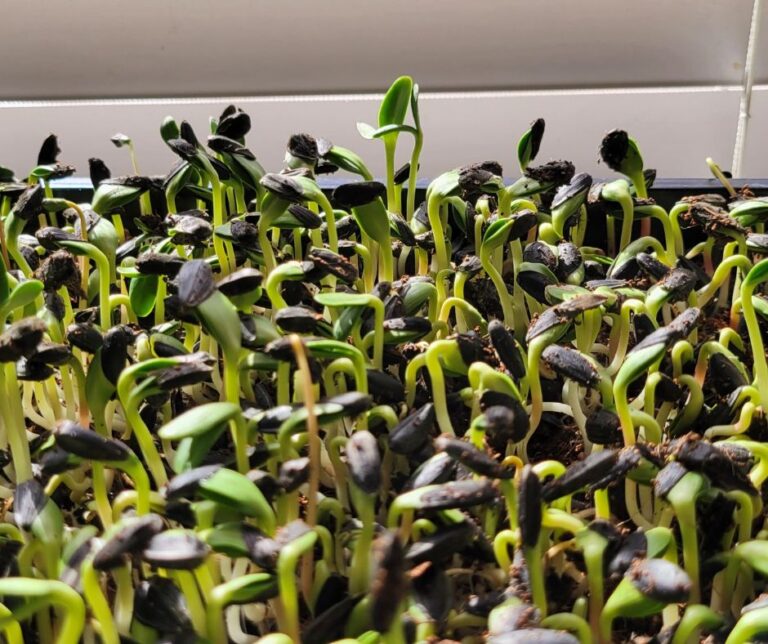
Have you noticed your plant starting to look a bit stretched out, with long, thin stems and leaves that are spaced far apart? This phenomenon is known as etiolation, and it’s a classic sign that your plant is desperately searching for light.
When a plant doesn’t get enough light, its survival instincts kick in. It will put all its energy into growing taller and faster, literally stretching itself toward the nearest light source it can find. This results in “leggy” growth.
While it might look like your plant is having a growth spurt, this type of growth is actually weak and unsustainable. The stems will be spindly and fragile, unable to support the weight of the leaves, which can lead to bending or breaking.
You’ll often see this in succulents like Echeveria, which should normally grow in a compact rosette but will start to stretch upwards, leaving gaps between their leaves.
What to do:
If you see leggy growth, it’s time to move your plant to a brighter location. An east-facing window that gets gentle morning sun or a spot near a south-facing window is often ideal.
For plants that have already become leggy, you can prune them back to encourage bushier, more compact growth once they are in a better-lit spot.
2. Pale or Yellowing Leaves (Chlorosis)
One of the most noticeable signs of insufficient light is a change in leaf color. Healthy leaves are typically a rich, vibrant green because of a pigment called chlorophyll.
Chlorophyll is essential for photosynthesis, as it’s the molecule that absorbs sunlight and converts it into energy.
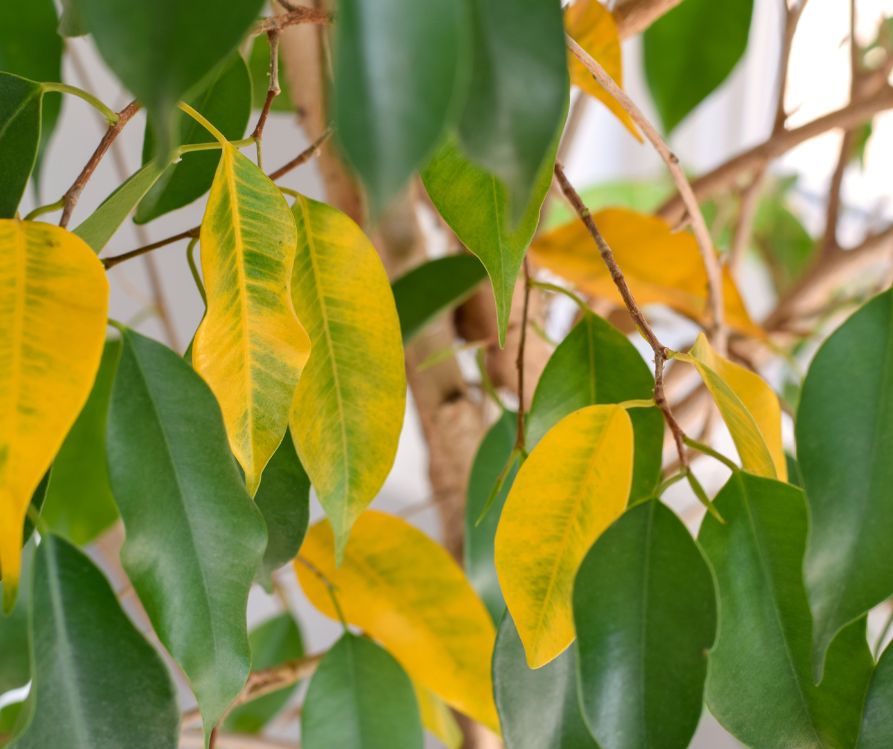
When a plant isn’t getting enough light, it can’t produce enough chlorophyll. This condition, called chlorosis, causes the leaves to lose their healthy green color and turn pale green or even yellow.
The yellowing often starts with the lower leaves first, as the plant prioritizes sending its limited energy to the newer growth at the top.
If you have a variegated plant, you might notice its beautiful patterns of white, pink, or yellow start to fade, with the leaves reverting to a solid green color. This is the plant’s attempt to maximize its chlorophyll production by creating more green surface area.
What to do:
Move your plant to a brighter spot immediately. Keep in mind that yellow leaves will not turn green again, so you can prune them off to improve the plant’s appearance and allow it to direct energy toward new, healthy growth.
Be careful not to confuse this with overwatering, which can also cause yellow leaves. If the soil is soggy, let it dry out before watering again.
How to Grow Indoor Plants Without Natural Light
3. Small or Few New Leaves
A healthy, happy plant should be producing new leaves regularly, especially during its growing season (spring and summer).
If you notice that your plant’s new leaves are significantly smaller than the older ones, or if it has stopped producing new leaves altogether, it’s likely a sign of inadequate light.
Photosynthesis provides the energy a plant needs to create new cells and grow. Without sufficient light, the plant goes into conservation mode.
It doesn’t have enough energy to support the development of full-sized leaves, so any new growth will be stunted. A ZZ plant, for example, will produce smaller leaflets, and a Pothos vine might stop putting out new leaves entirely. This is your plant telling you it doesn’t have the resources to expand.
What to do
Find a sunnier home for your plant. Once it starts receiving enough light, you should see new growth that is larger and more robust.
You can also give it a little boost with a balanced houseplant fertilizer during the growing season to encourage it to start producing healthy new leaves again.
Step-By-Step Guide To Cleaning Your Plant’s Leaves
4. Leaning Towards the Light
This is perhaps the most obvious sign that your plant is light-deprived. Have you noticed your plant bending or tilting in one direction, almost as if it’s craning its neck to get a better view?
This behavior is called phototropism, and it’s a direct response to a one-sided light source.
Plants have hormones called auxins that regulate their growth. Auxins accumulate on the side of the stem that is in the shade, causing the cells there to elongate more rapidly than the cells on the sunlit side.
This differential growth causes the stem to bend towards the light, maximizing its exposure to its primary energy source. While a little bit of leaning is natural, a dramatic, one-sided lean indicates that the light source is too far away or not bright enough.
What to do:
The simplest fix is to rotate your plant every week or so. This will ensure that all sides of the plant get equal light exposure, encouraging it to grow more evenly and upright. If the leaning is severe, you’ll also want to move it closer to its light source or supplement with a grow light.
Turn Your Living Room Into a Lush Indoor Garden Paradise
5. Slow or Stunted Growth
Every plant parent gets excited about seeing new growth. But if your plant seems to have been the same size for months on end, especially during what should be its active growing period, it’s probably not getting enough light.
While some plants are naturally slow growers, a complete lack of growth is a red flag. Insufficient light means insufficient energy, and a plant without energy simply can’t afford to grow.
It will conserve its resources just to stay alive, putting all its efforts into maintenance rather than expansion. You may notice that it’s not producing new leaves, stems, or flowers.
This is particularly noticeable in plants that are typically fast growers, like the Fiddle Leaf Fig or Monstera Deliciosa.
What to do:
Evaluate your plant’s current location. Is it in a dark corner or far from a window? Try moving it to the brightest spot in your home that offers indirect light.
For many tropical houseplants, a spot a few feet away from a south or west-facing window is perfect.
If natural light is limited in your home, investing in a full-spectrum grow light can be a game-changer, providing your plant with the consistent light it needs to flourish.
Bringing Your Plants into the Light
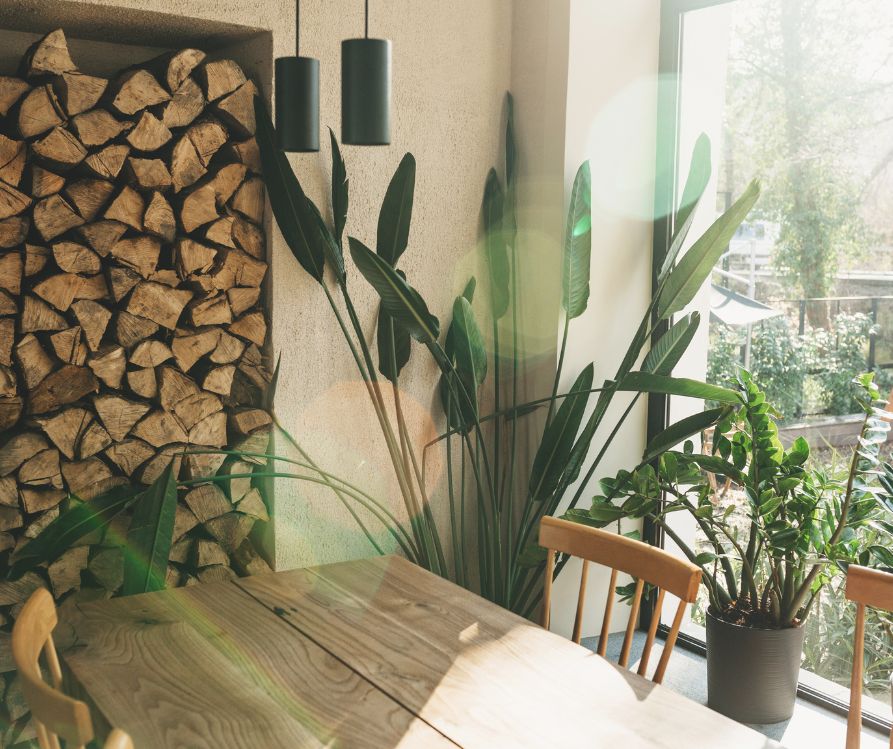
Your indoor plants communicate their needs in subtle ways. By learning to recognize these five signs, you can become a more attentive and successful plant parent.
A well-lit plant is a happy plant, and ensuring your green friends get the light they need will reward you with lush foliage, strong growth, and the satisfaction of a thriving indoor garden.
If you’ve made some adjustments and want to ensure your plants are on the right track, don’t hesitate to observe them closely over the next few weeks. Plants may take a little time to adjust, but with the right care, they’ll soon be back to their beautiful, vibrant selves.
Visit the Garden Resources page for supplies and inspiration. Don’t forget to subscribe to the Calendula’s Garden Newsletter for more gardening tips.
Calendula’s Garden is reader supported. When you buy through links on our site, we may earn an affiliate commission. As an Amazon Associate, I earn from qualifying purchases. For more information, view our Disclaimer page. Thank you!