5 Great Fish for Backyard Ponds Adding A Splash to Your Backyard
Calendula's Garden is reader suported This post may contain affiliate links, more on our Disclaimer page. Thank you!
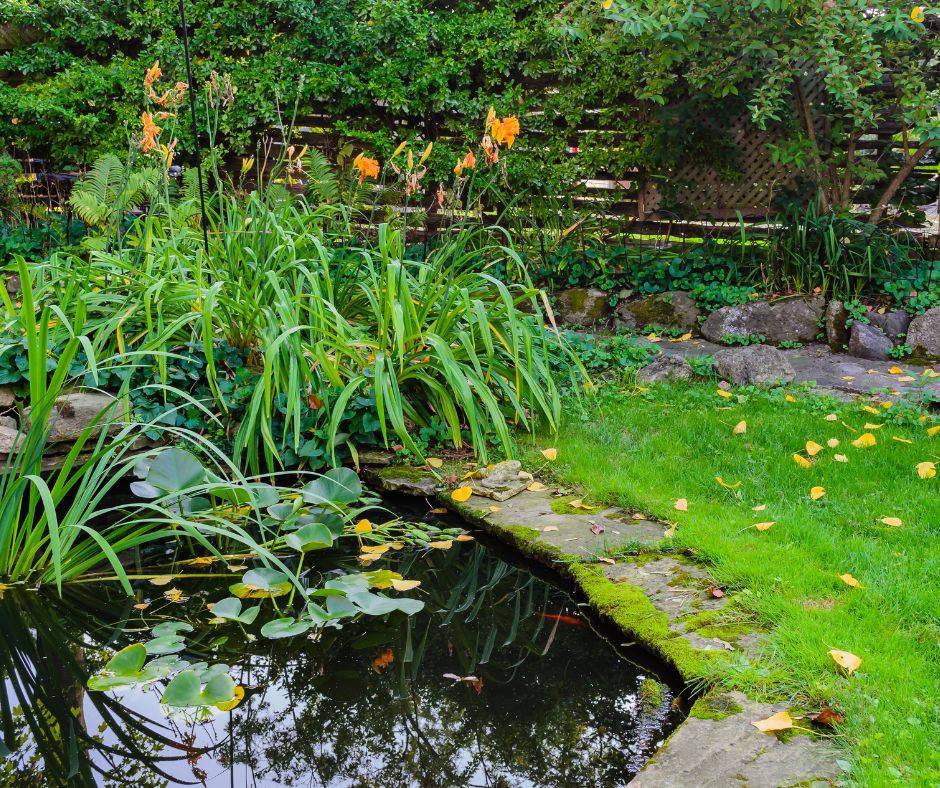
Nothing compares to the tranquil beauty and serenity of a backyard pond. They provide a tranquil and serene environment that promotes relaxation and peacefulness.
Choosing the right type of fish for your backyard pond is key to keeping your pond well-balanced and healthy. Before adding fish to your pond, there are a few things you need to consider before picking the perfect fish.
Ponds also provide a relaxing spot for gathering with friends and family. Keeping different types of fish species in your pond can add color and life to your backyard while also keeping algae and other harmful organisms at bay.
In this guide, we’ll discuss the best fish options for your backyard pond, so you can add a splash of life and color to your outdoor oasis.
Climate
Different fish thrive in different climates. It’s important to ensure that the fish you are considering can survive and thrive in your local climate.
For instance, cold-water fish like Trout and goldfish do well in cooler temperatures, while tropical fish like tilapia and other cichlids require warmer water.
It’s important to research the type of fish you want before adding them to your pond.
Create a Healthy Environment
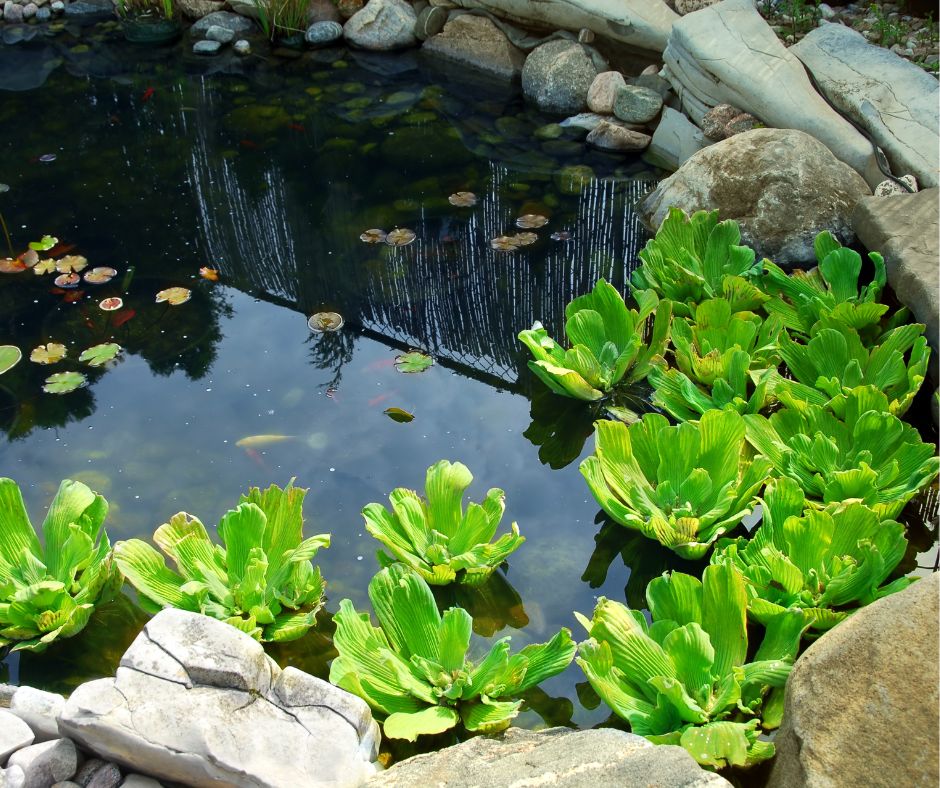
One of the most important things to keep in mind when adding fish to your backyard pond is creating a healthy environment for them.
This means maintaining the right temperature, pH level, and oxygen levels in the water.
To do this, you can invest in a good quality pond filter and an aeration system that can keep the water clean and well-oxygenated.
Regular water changes and adding beneficial bacteria to the water can also help maintain a healthy environment.
The best fish for backyard ponds are hardy and can handle a reasonable range of environmental fluctuations.
Find more pond building tips here: How to build a backyard pond in 8 easy steps
Feed Them Right
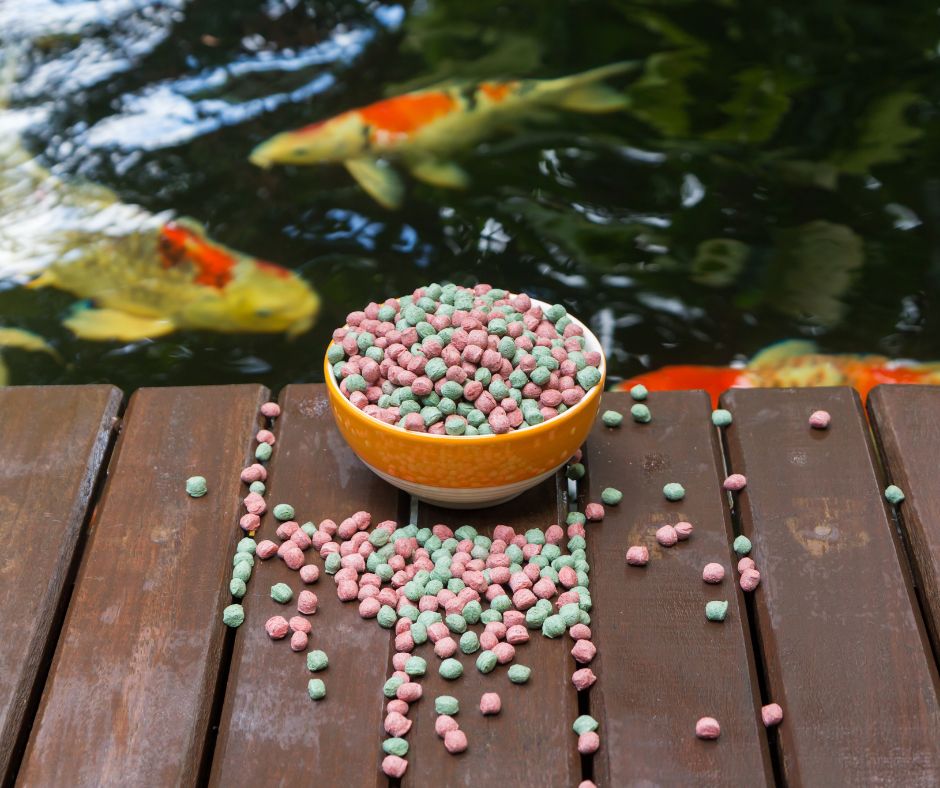
Feeding your fish the right kind of food is crucial for their growth and health. Different types of fish may require different kinds of food based on their dietary habits.
For instance, Koi and Goldfish are omnivorous and can eat a variety of foods, including pellets, vegetables, and insects.
Make sure to feed them regularly, but also be cautious not to overfeed them to prevent health issues.
Watch Out for Common Fish Diseases
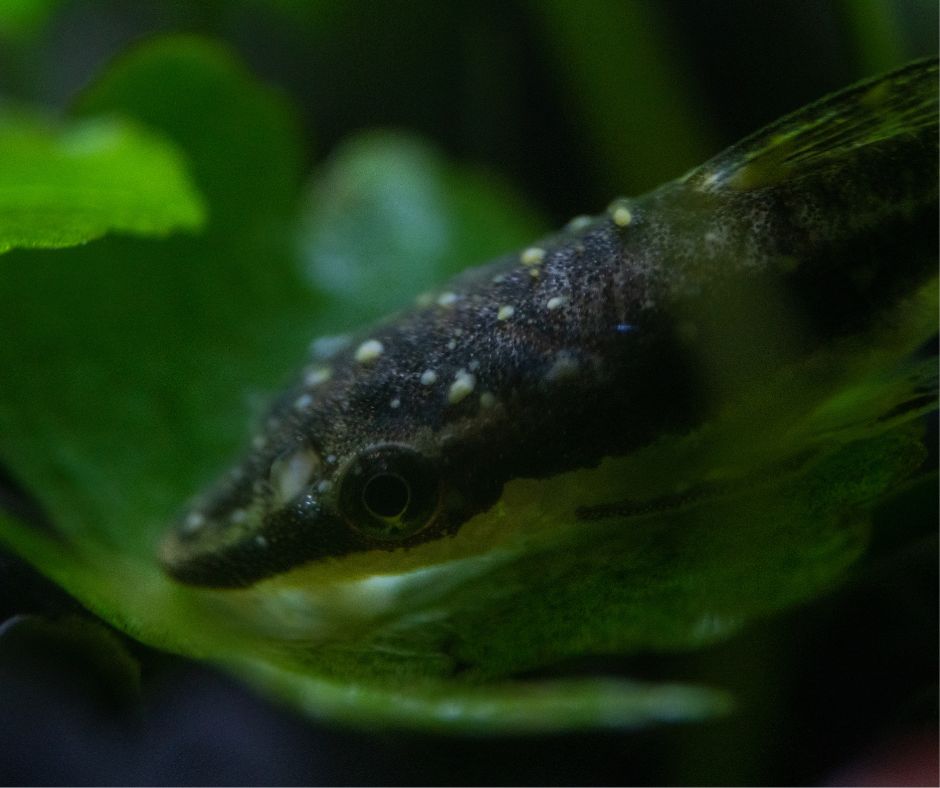
Like any other pet, backyard pond fish can be prone to diseases. Some common fish diseases include Gill disease, Ich, and Fin Rot.
To prevent these diseases, it’s essential to maintain a clean and healthy environment and follow proper feeding habits.
In case of any health issues, consult a professional or a veterinarian who specializes in fish care.
Enjoy Your Fish
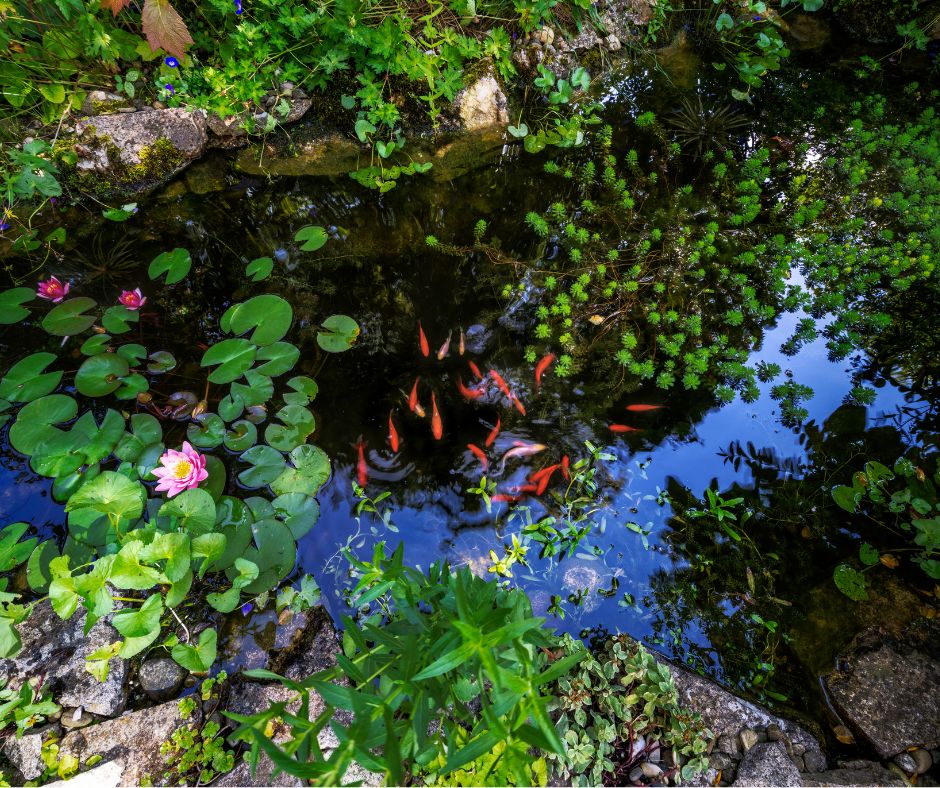
Finally, once you’ve taken all the necessary precautions and set up your pond for its new inhabitants, sit back and enjoy the beauty of your fish.
Watching them swim around can be relaxing and soothing, and they’ll become an excellent addition to your backyard landscape.
Take time to appreciate their beauty and interact with them without disturbing their natural environment.
Create a Tranquil Oasis with These 5 Ideas for Backyard Ponds
Here are a few classic fish for backyard ponds to get you started.
One of our favorite places to order fish for backyard ponds is Arizona Aquatic Gardens
Koi Fish
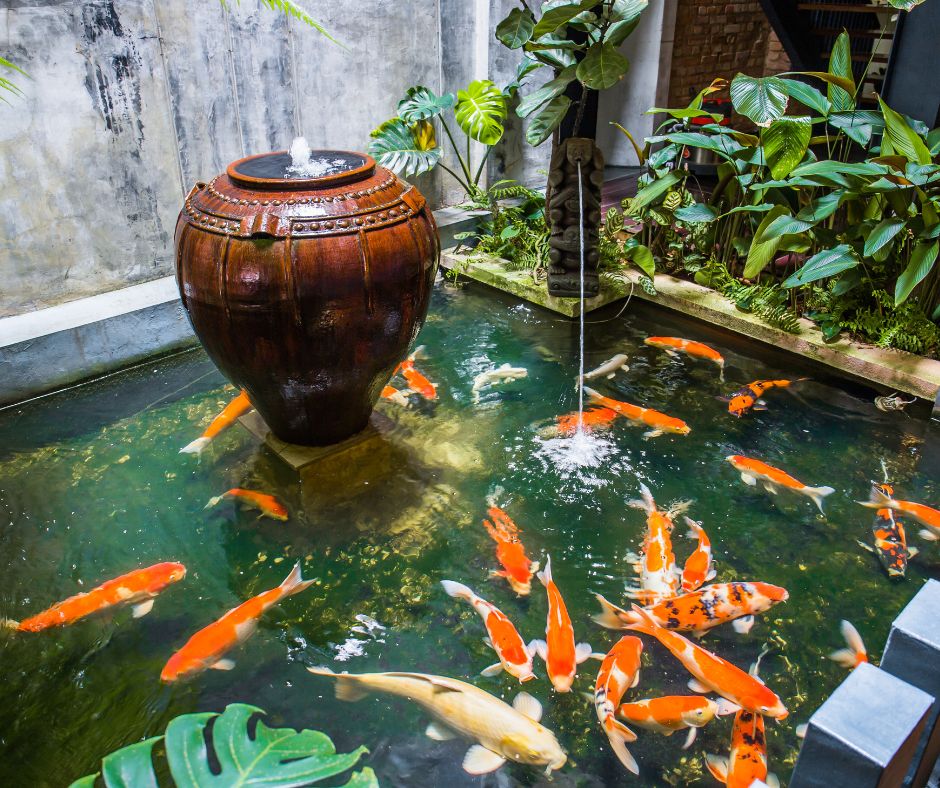
Koi fish are a popular choice for large backyard ponds, known for their vibrant colors, long, flowing fins and tails, and friendly demeanor.
Koi fish can grow from six inches to three feet in length. They are also a practical choice, as they are low-maintenance and can survive in various climates.
When it comes to maintaining koi fish in your pond, it is important to keep in mind the necessary water quality requirements. pH levels should be kept between 7 and 8.5 for optimal koi health, and the temperature should stay between 65-75°F to prevent stress on the fish.
In terms of depth, koi prefer deeper waters of at least 4 feet to allow for proper swimming and cooling during hotter seasons.
It is vital to monitor these factors consistently and make any necessary adjustments to maintain proper water conditions for your beloved koi.
With the proper care, your koi can flourish in a healthy and vibrant aquatic environment.
Goldfish
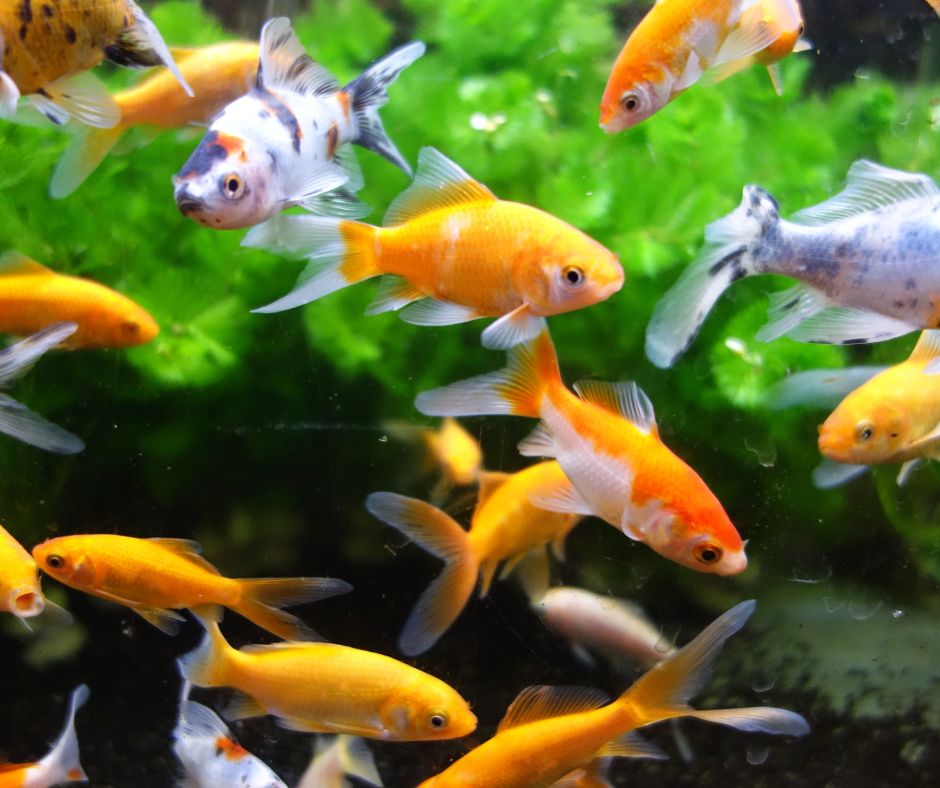
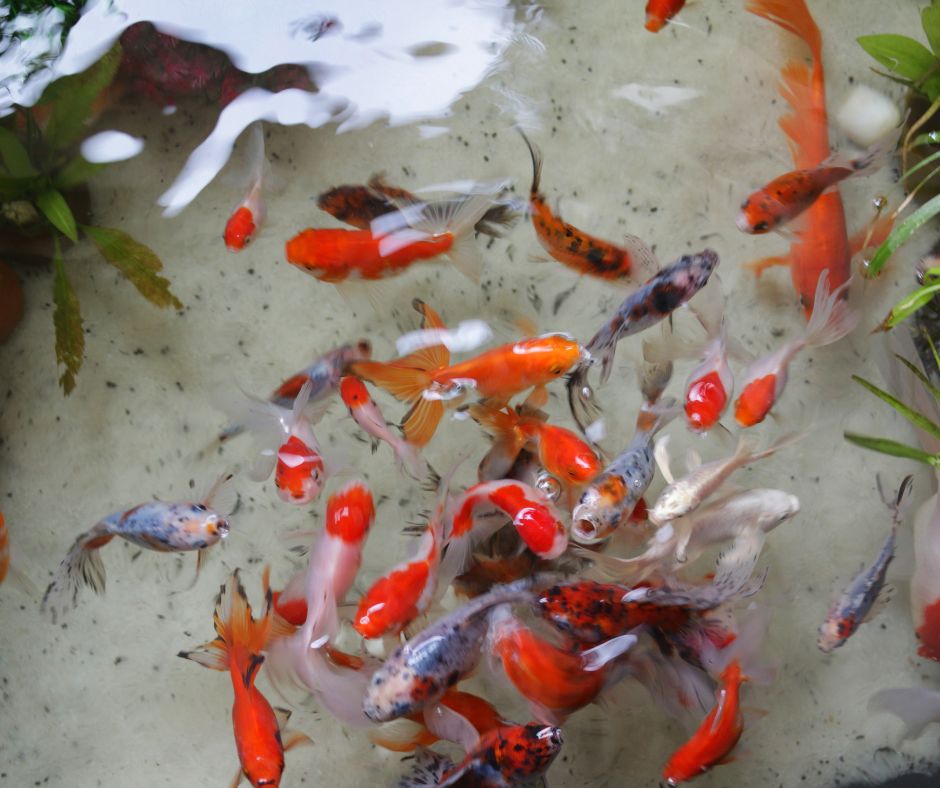
Goldfish are great fish for backyard ponds. They are inexpensive and come in a wide range of colors and sizes.
Goldfish are hardy fish species that can adapt to different water conditions and thrive in almost any pond.
They are perfect for smaller ponds or for those starting out their pond journey, as they are low-maintenance and come in a variety of colors and sizes.
Goldfish can handle various temperatures and water conditions, making them quite hardy.
Shubunkin
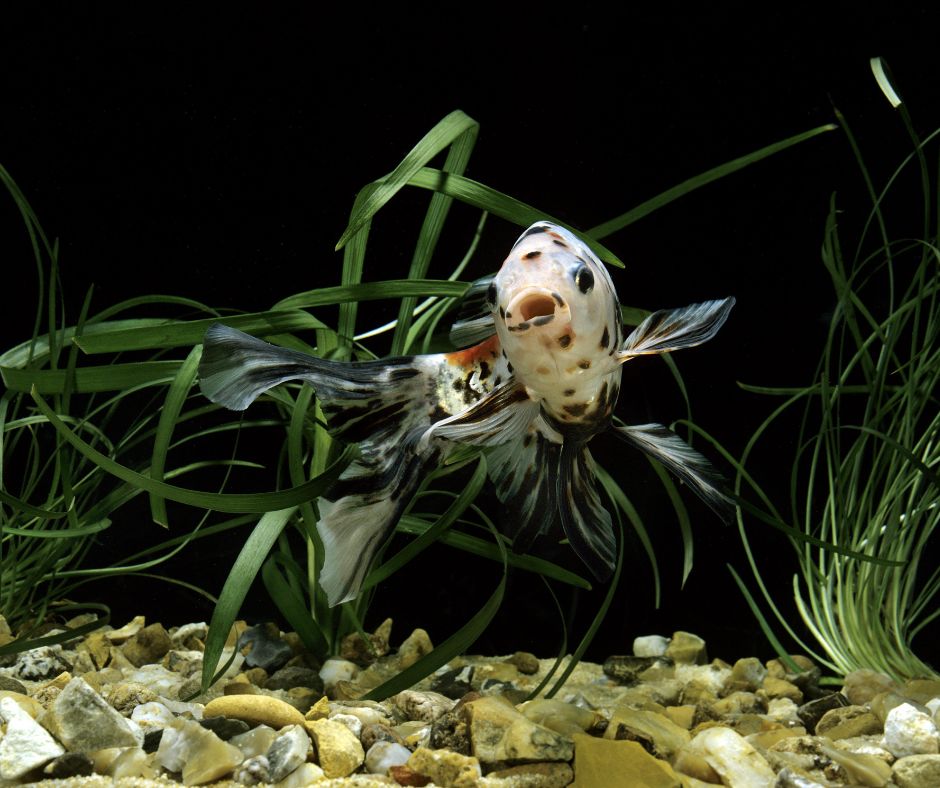
Shubunkin is a type of goldfish that is native to Japan. They are an ideal fish for backyard ponds as they come in a range of colors and patterns.
These fish species are very active and tend to swim around the pond, giving it a lively feel.
They are suitable for ponds of different sizes and can coexist with other fish species.
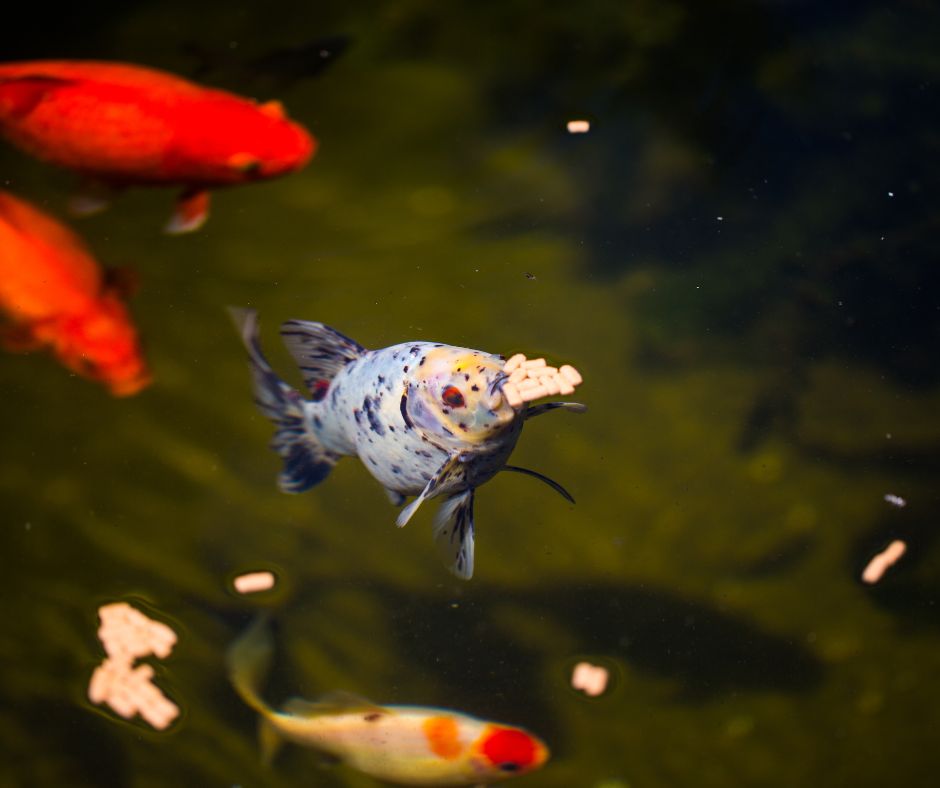
They can grow to around 10 inches and can tolerate a wide range of temperatures, but prefer cold water.
Shubunkin fish can also eat mosquito larvae and other small insects, making them a practical addition to your pond.
Mosquitofish
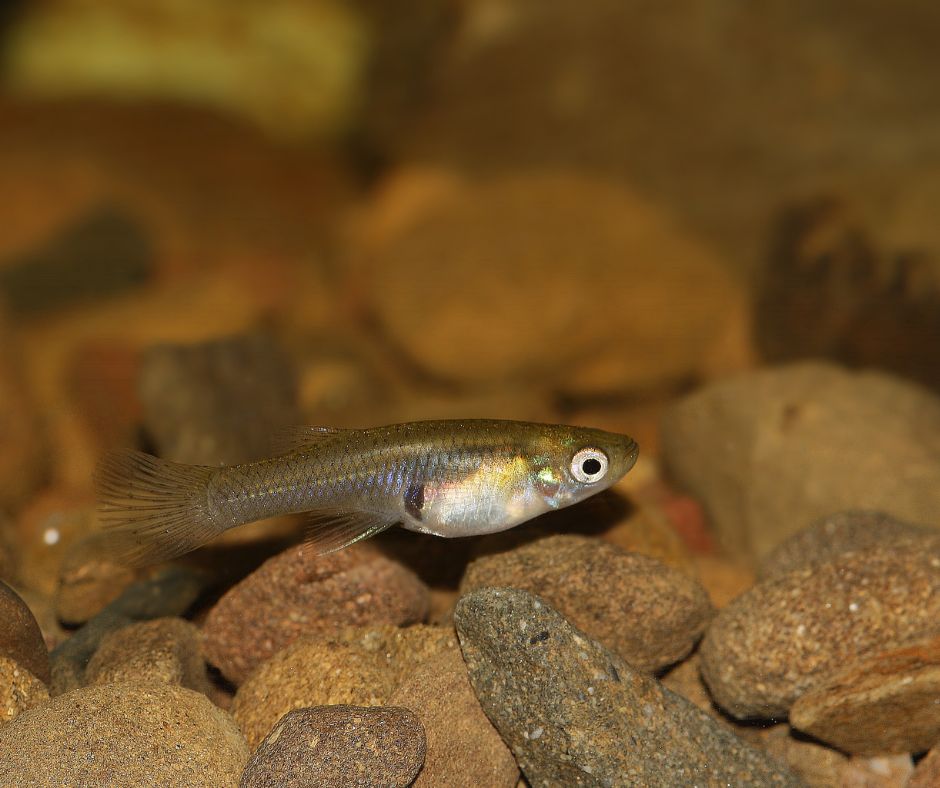
Mosquito fish are ideal fish for backyard ponds if you want to keep your pond mosquito-free. They are also known for their ability to control the population of other unwanted insects and algae.
Mosquito fish are small, typically less than an inch long, and can tolerate a wide range of temperatures and water conditions.
However, they are not as visually striking as other fish options for ponds.
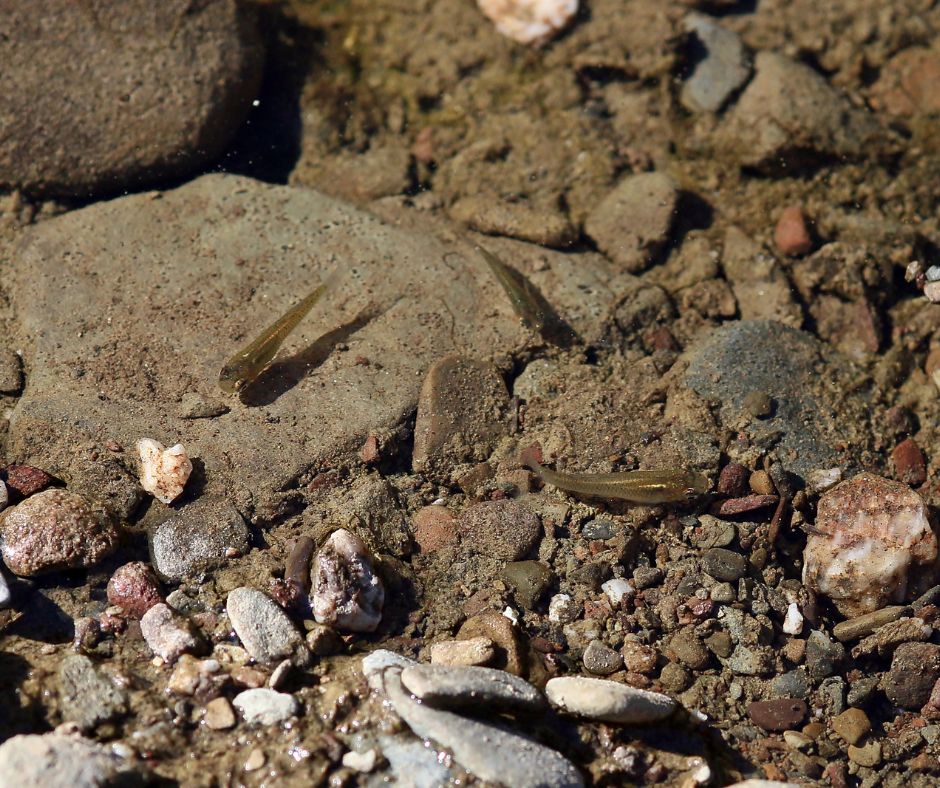
For best results, aim for a pH range of 7.0-8.0 and a temperature range of 70-80 degrees Fahrenheit, though they can tolerate colder temperatures for short periods of time.
Mosquito fish prefer shallow waters with a depth of 2-3 feet, so keep that in mind when designing your pond or choosing a good spot for them.
By providing the right conditions, you can create a healthy habitat for mosquito fish that will keep your pond pest-free.
Catfish
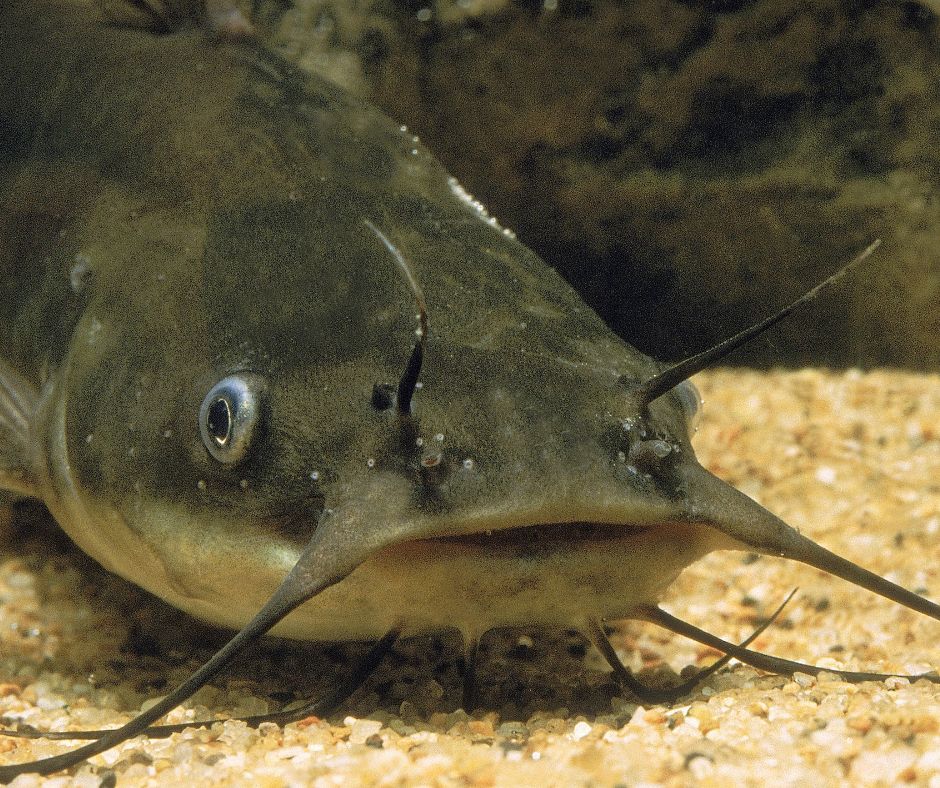
Catfish come in different sizes and species, so choose the ones that will fit best in your pond.
They are popular for their adaptability and hardiness, making them an ideal choice for backyard ponds.
Catfish are bottom feeders and can live on a diet of worms and other insects that live in the pond’s substrate.
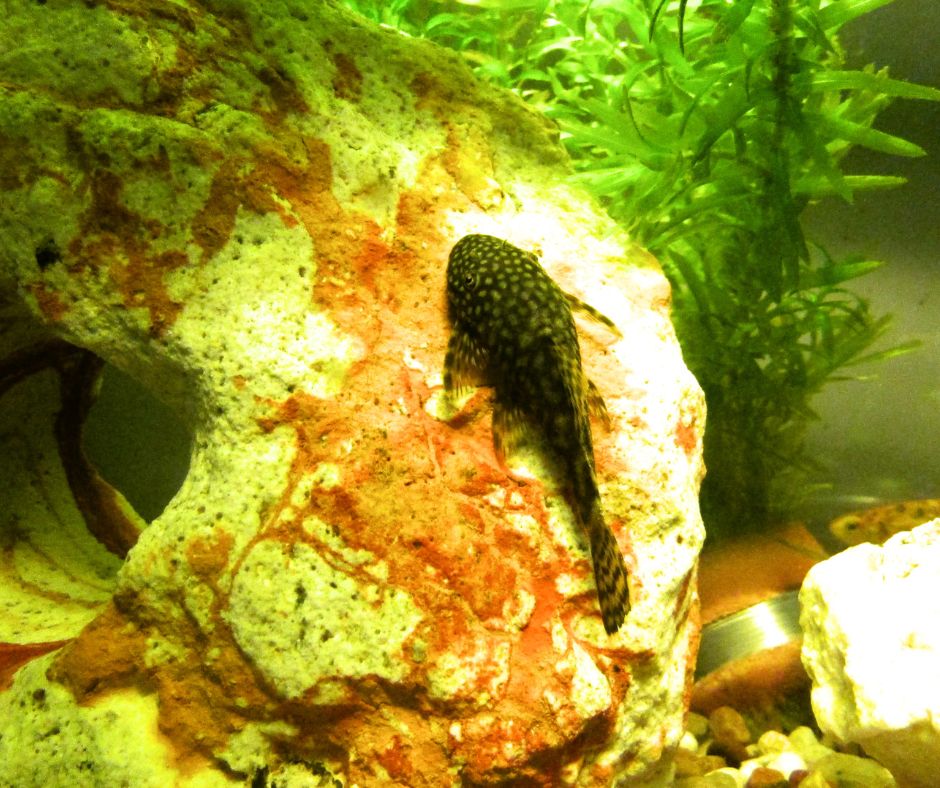
Plecos, also known as armored suckermouth catfish, can make a great addition to your pond.
These fish are known for their unique appearance, including their bony plates and the ability to cling to hard surfaces with their specialized mouth.
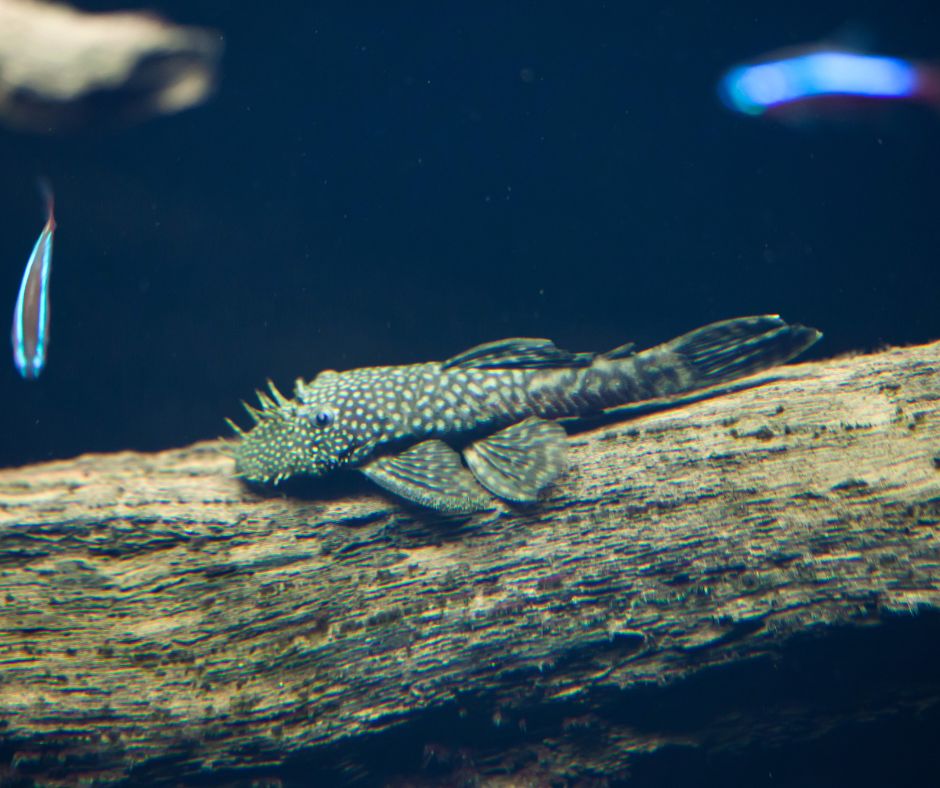
In order to properly care for these fish, it’s essential to understand their preferred environment. Plecos prefer a pH range of 6.5-7.5 and a temperature range of 72-86°F.
They also require a minimum pond depth of 18 inches to ensure they have enough space to swim around and make themselves at home.
They need a warm climate to thrive, so if you live in colder areas, you might want to consider heating the water during the colder months.
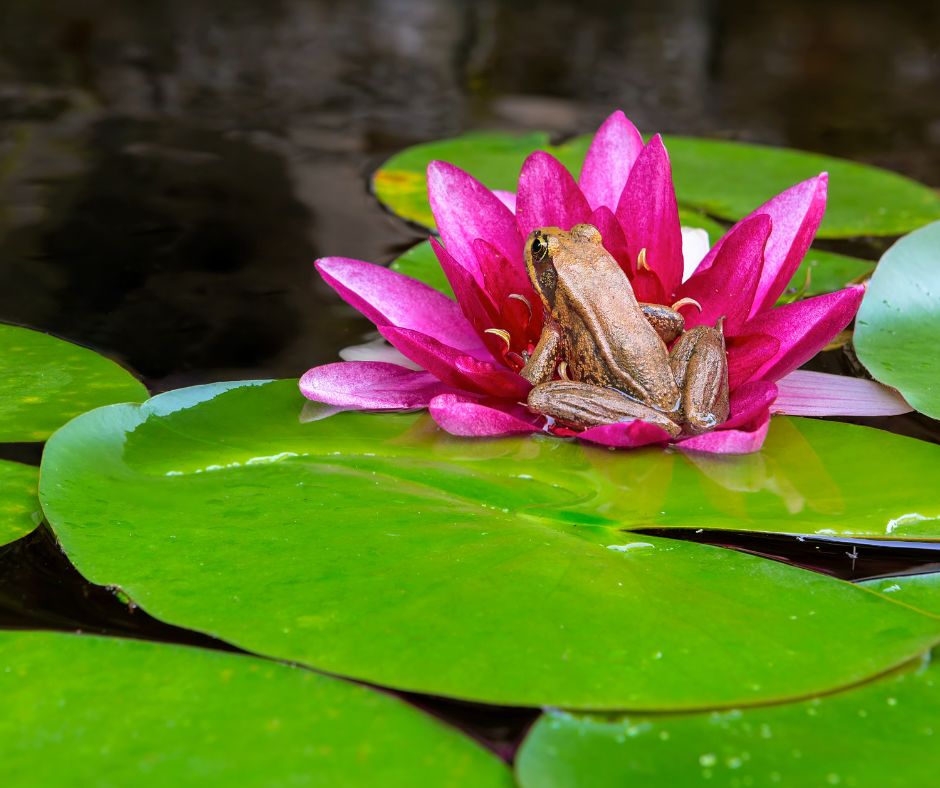
Choosing the right fish for your backyard pond not only adds color and vibrancy, but it is also essential in maintaining a healthy ecosystem.
Always consider the size of your pond, climate, and water conditions when selecting your desired fish.
Remember, fish require clean water conditions, adequate oxygen levels, and enough space to swim around, and adding a good filtration system is vital for keeping them healthy.
By adding the right fish to your backyard pond, you’ll create a serene outdoor oasis that will bring enjoyment and relaxation for years to come.
More interesting creatures to attract to your beautiful pond.
Visit the Garden Resources page for supplies and inspiration. Don’t forget to subscribe to the Calendula’s Garden Newsletter for more gardening tips.
Calendula’s Garden is reader supported. When you buy through links on our site, we may earn an affiliate commission. As an Amazon Associate, I earn from qualifying purchases. For more information, view our Disclaimer page. Thank you!