5 Fresh Salad Recipes Featuring Microgreens
Calendula's Garden is reader suported This post may contain affiliate links, more on our Disclaimer page. Thank you!
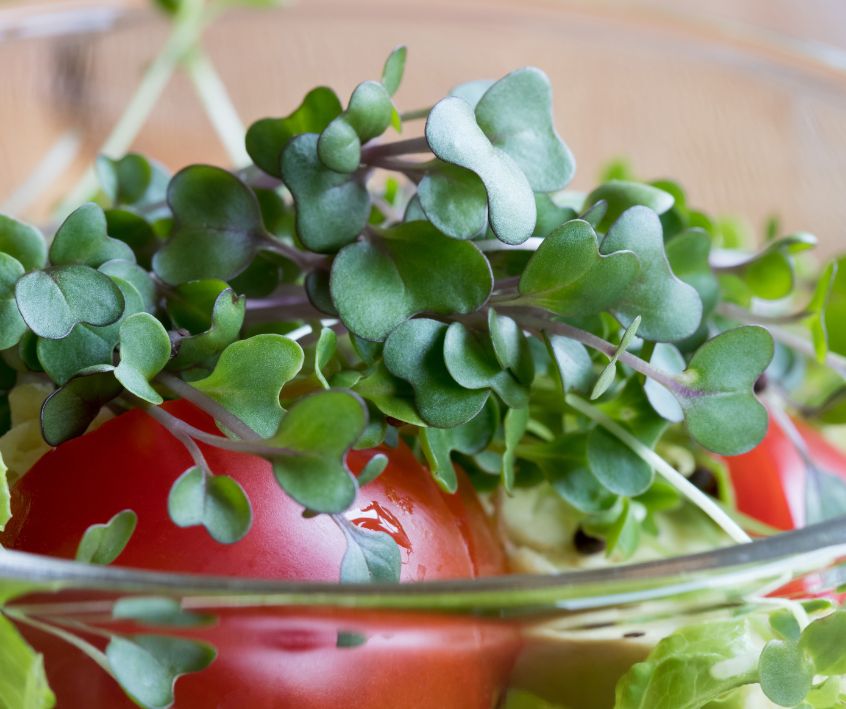
Adding microgreens to salads is my favorite way to eat them. These tiny, delicate greens are harvested just after the first leaves have developed.
They pack a massive punch when it comes to both nutrition and flavor. Think of them as concentrated versions of your favorite vegetables and herbs.
A beautifully crafted salad brings vibrant colors and fresh produce right to your patio table.
In this post, we are going to explore exactly why these little greens deserve a spot on your plate. You will learn how to source them, store them, and most importantly, how to eat them.
We have put together five tasty salad ideas featuring salads with microgreens that are filling enough to be a main course dish. Grab your favorite salad bowl, and let’s get started.
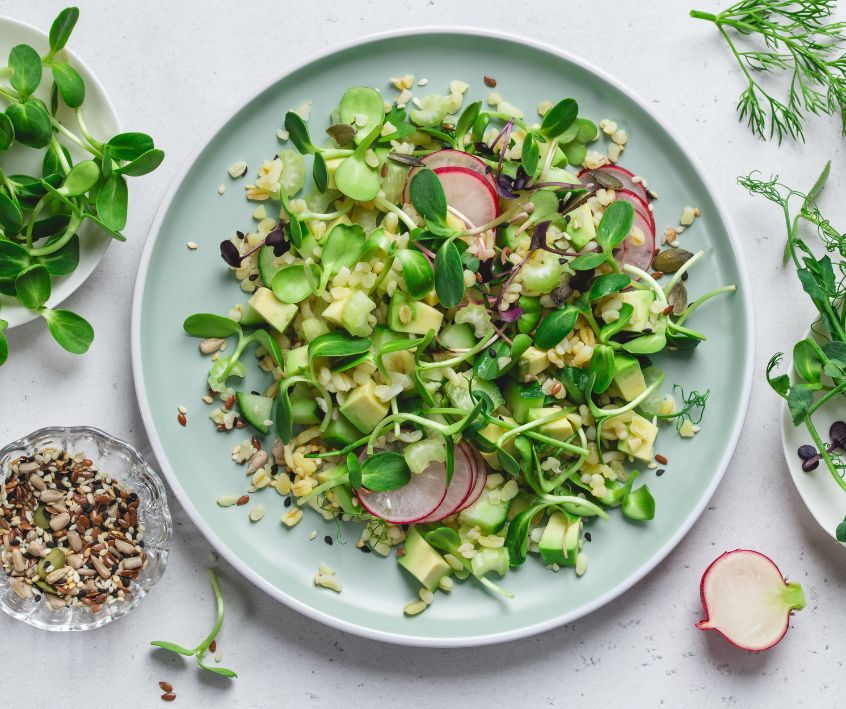
Why Microgreens Are Your Salad Superheroes
Adding a handful of these tiny greens to your meals does more than just make your plate look like it came from a fancy restaurant. They bring a multitude of benefits that will quickly make them a staple in your kitchen.
Nutritional Powerhouse
Science tells us that microgreens are dense with nutrients. Depending on the variety, they can contain anywhere from four to forty times more vitamins, minerals, and antioxidants than their fully mature counterparts.
A small sprinkle of broccoli or kale microgreens gives you a concentrated dose of Vitamin C, Vitamin E, and beta-carotene. You get a massive nutritional upgrade without needing to eat a mountain of greens.
Flavor Burst
Have you ever tasted a radish microgreen? It carries the exact spicy, peppery bite of a full-grown radish, but in a tiny, delicate package.
From the nutty flavor of sunflower shoots to the intense licorice notes of basil microgreens, these little plants elevate ordinary salads to gourmet status. They add layers of complex flavors that make every bite interesting.
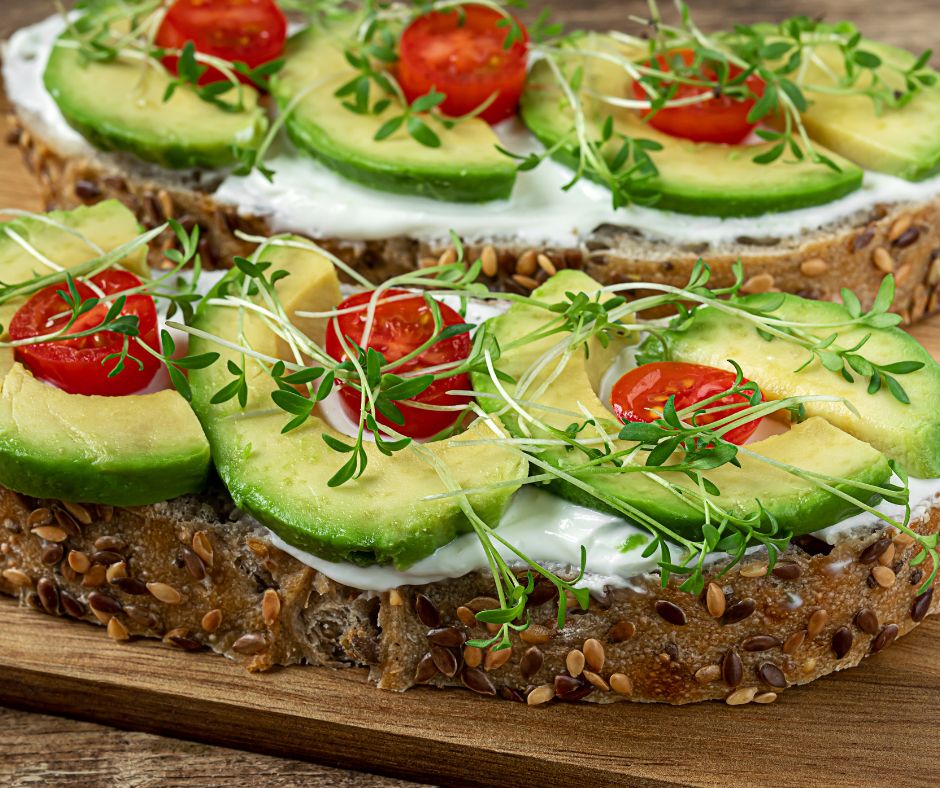
A great salad is all about balance, and texture plays a huge role in that. Microgreens offer a pleasant, delicate crunch that contrasts beautifully with softer ingredients like avocado, soft cheeses, or roasted vegetables. Their tender stems and soft leaves make them incredibly pleasant to eat.
Sustainability and Ease of Growing
You do not need a massive backyard garden to grow your own food. Microgreens are incredibly sustainable and require very little water, space, or time to cultivate.
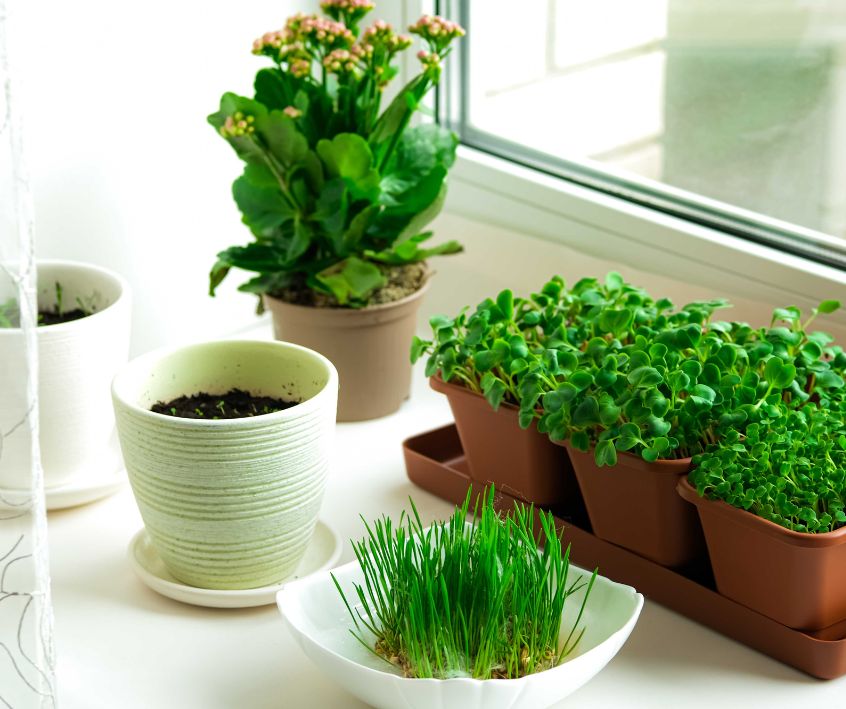
You can easily grow a tray of them on a sunny kitchen windowsill, giving you access to fresh, hyper-local produce all summer long.
Getting Started with Microgreens: A Quick Guide
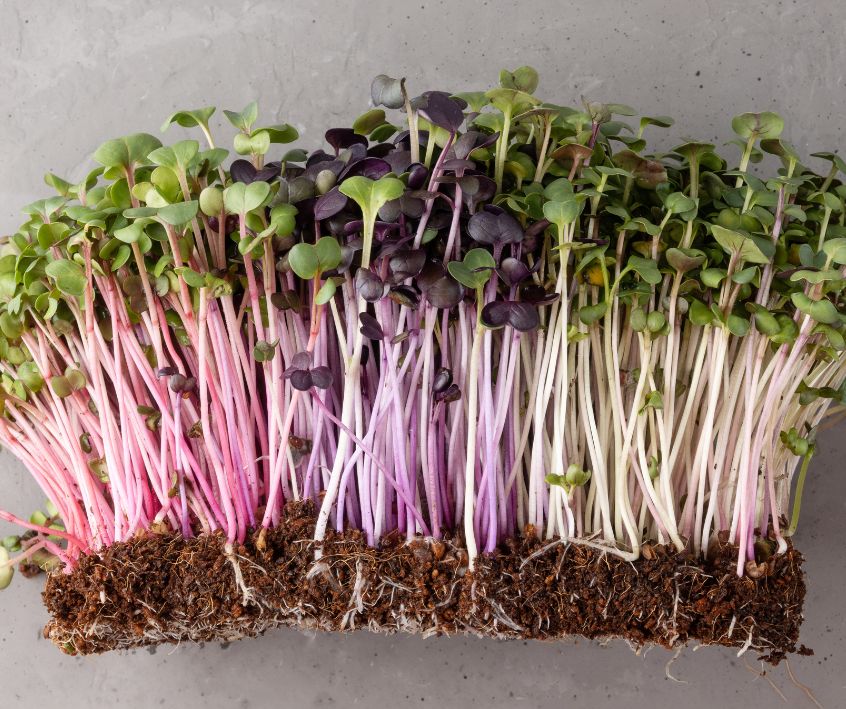
Before we dive into the recipes, let us go over a few basics so you know exactly how to handle these delicate greens.
Where to Buy
If you are not quite ready to grow your own, you can easily find microgreens at your local farmers’ market. Purchasing them locally usually ensures they were harvested recently, which means better flavor and a longer shelf life.
Many well-stocked grocery stores and health food markets also carry them in the produce section, usually packaged in clear plastic clamshells.
Growing and Storing
Growing your own is a fun and rewarding weekend project. All you need is a shallow tray, some potting soil, seeds, and a sunny spot.
Within a week or two, you will have a miniature garden ready to harvest. To store cut microgreens, place them in a glass container or a plastic bag with a dry paper towel.
The paper towel absorbs excess moisture, which is the main culprit behind wilted, slimy greens. Keep them in the crisper drawer of your refrigerator, and they should stay fresh for up to a week.
Washing and Preparing
Because they are so fragile, microgreens require a gentle touch. Give them a light rinse in a colander under cool, low-pressure water right before you plan to eat them.
Pat them dry very gently with a clean kitchen towel. If they are too wet, they will water down your delicious salad dressings.
Recipe 1: Sunshine Citrus & Avocado Microgreen Salad
This salad tastes like a sunny summer afternoon. The bright acidity of the citrus pairs perfectly with the creamy avocado, while a generous handful of sunflower microgreens adds a delightful nutty crunch.
Ingredients
- 4 cups mixed baby greens (spinach, butter lettuce)
- 1 cup sunflower microgreens
- 1 large ruby red grapefruit, peeled and segmented
- 1 large navel orange, peeled and segmented
- 1 ripe avocado, sliced
- 1/4 cup thinly sliced red onion
- 1/4 cup slivered almonds, toasted
- 3 tablespoons extra virgin olive oil
- 1 tablespoon honey
- 1 tablespoon apple cider vinegar
- Salt and freshly cracked black pepper to taste
Instructions
- In a small bowl, whisk together the olive oil, honey, apple cider vinegar, salt, and pepper to create a simple citrus dressing. Set aside.
- In a large serving bowl, gently toss the mixed baby greens and half of the sunflower microgreens.
- Arrange the grapefruit segments, orange segments, and sliced avocado beautifully over the bed of greens.
- Scatter the red onion slices and toasted almonds across the top.
- Drizzle the dressing evenly over the salad.
- Garnish with the remaining sunflower microgreens right before serving so they maintain their crunch.
Recipe 2: Spicy Asian-Inspired Noodle Salad with Radish Microgreens
When the weather is simply too hot to cook a heavy meal, this cold noodle salad comes to the rescue. The radish microgreens provide a sharp, peppery kick that balances the sweet and savory sesame dressing.
Ingredients
- 8 oz soba noodles or thin rice noodles
- 1 cup radish microgreens
- 1 cup shredded purple cabbage
- 1 cup edamame, shelled and cooked
- 1 medium carrot, julienned or spiralized
- 1 red bell pepper, thinly sliced
- 3 tablespoons soy sauce or tamari
- 2 tablespoons toasted sesame oil
- 1 tablespoon rice vinegar
- 1 clove garlic, minced
- 1 teaspoon freshly grated ginger
- 1 tablespoon sesame seeds
Instructions
- Boil the noodles according to the package directions. Drain and immediately rinse under cold water until fully chilled.
- In a large bowl, combine the chilled noodles, shredded cabbage, edamame, carrot, and red bell pepper.
- In a separate small jar, combine the soy sauce, sesame oil, rice vinegar, garlic, and ginger. Put the lid on and shake vigorously until well mixed.
- Pour the dressing over the noodle mixture and toss thoroughly to ensure everything is coated.
- Gently fold in the radish microgreens, reserving a small amount for the top.
- Sprinkle with sesame seeds and the remaining microgreens before serving.
Recipe 3: Mediterranean Quinoa Bowl with Arugula Microgreens
Arugula microgreens carry the same signature peppery flavor as mature arugula but with a softer texture. This hearty quinoa bowl makes for a perfect meal-prep lunch or a satisfying vegetarian dinner on a warm evening.
Ingredients
- 1 cup dry quinoa, rinsed
- 2 cups water or vegetable broth
- 1.5 cups arugula microgreens
- 1 cup cherry tomatoes, halved
- 1/2 cup cucumber, diced
- 1/3 cup kalamata olives, pitted and halved
- 1/3 cup feta cheese, crumbled
- 1/4 cup fresh dill, chopped
- 3 tablespoons extra virgin olive oil
- Juice of 1 large lemon
- 1 clove garlic, minced
- Salt and pepper to taste
Instructions
- Combine the quinoa and water (or broth) in a medium saucepan. Bring to a boil, then reduce the heat to low, cover, and simmer for 15 minutes or until the liquid is absorbed. Fluff with a fork and let it cool to room temperature.
- While the quinoa cools, whisk together the olive oil, lemon juice, minced garlic, salt, and pepper in a small bowl.
- Transfer the cooled quinoa to a large mixing bowl. Add the cherry tomatoes, cucumber, olives, feta cheese, and fresh dill.
- Pour the lemon-garlic dressing over the bowl and toss to combine.
- Right before serving, gently fold in the arugula microgreens to keep them fresh and vibrant.
Recipe 4: Berry & Goat Cheese Salad with Beet Microgreens
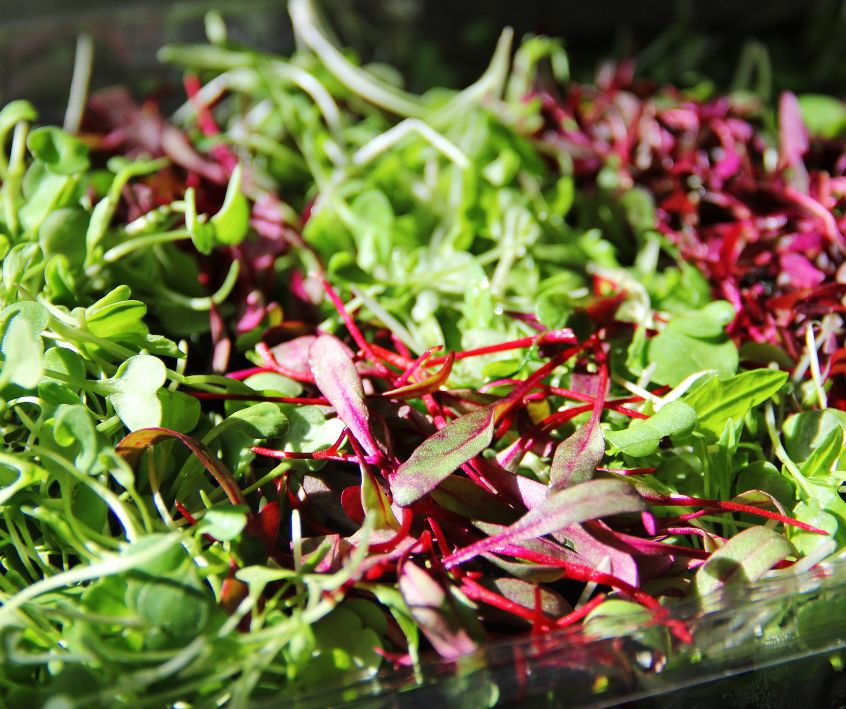
Beet microgreens are visually stunning. Their bright magenta stems add an incredible pop of color that makes any dish look spectacular. Combined with fresh summer berries and tangy goat cheese, this salad is a guaranteed crowd-pleaser.
Ingredients
- 5 cups spring mix lettuce
- 1 cup beet microgreens
- 1 cup fresh strawberries, hulled and sliced
- 1/2 cup fresh blueberries
- 1/4 cup soft goat cheese, crumbled
- 1/4 cup pecans, roughly chopped
- 3 tablespoons balsamic vinegar
- 1/4 cup extra virgin olive oil
- 1 teaspoon Dijon mustard
- 1 teaspoon maple syrup
- Salt and pepper to taste
Instructions
- Prepare the balsamic vinaigrette by whisking together the balsamic vinegar, olive oil, Dijon mustard, maple syrup, salt, and pepper until emulsified.
- Place the spring mix in a large, wide salad bowl.
- Evenly distribute the sliced strawberries, blueberries, and chopped pecans over the greens.
- Add small dollops of crumbled goat cheese across the top of the salad.
- Generously scatter the beet microgreens over the entire bowl, showcasing their bright pink stems.
- Drizzle the balsamic dressing over the top immediately before serving.
Recipe 5: Grilled Halloumi & Peach Salad with Basil Microgreens
Grilling fruit brings out a deep, caramelized sweetness that screams summer. Paired with salty grilled halloumi cheese and intensely flavorful basil microgreens, this recipe is perfect for your next backyard barbecue.
Ingredients
- 2 firm but ripe peaches, pitted and cut into thick wedges
- 8 oz halloumi cheese, cut into 1/2-inch thick slices
- 4 cups baby spinach
- 1 cup basil microgreens
- 1/4 cup prosciutto, torn into small pieces (optional)
- 2 tablespoons olive oil (for brushing)
- 2 tablespoons extra virgin olive oil (for dressing)
- 1 tablespoon white balsamic vinegar
- Salt and black pepper to taste
Instructions
- Preheat your grill or a grill pan over medium-high heat.
- Lightly brush the peach wedges and halloumi slices with a little bit of olive oil.
- Grill the peaches for about 2 minutes per side until nice grill marks appear. Remove and set aside.
- Grill the halloumi slices for 1 to 2 minutes per side until golden brown and slightly melted. Remove and set aside.
- In a large bowl, toss the baby spinach with the extra virgin olive oil, white balsamic vinegar, salt, and pepper.
- Transfer the dressed spinach to a serving platter. Arrange the warm grilled peaches and halloumi over the greens. Add the prosciutto pieces if using.
- Finish by liberally scattering the basil microgreens over the warm ingredients. The slight heat will release the fragrant oils of the basil.
Tips for Elevating Your Summer Salads
Creating a great salad is an art form. While adding microgreens is a fantastic start, here are a few more friendly tips to ensure your salads are always the star of the show.
Homemade Dressings vs. Store-Bought
Skip the bottled stuff whenever you can. Homemade dressings are incredibly easy to make, contain no artificial preservatives, and taste infinitely better. A simple ratio of three parts oil to one part vinegar, a dash of mustard to help emulsify, and a pinch of salt and pepper is all you really need. Shake it up in a mason jar, and you have a perfect vinaigrette.
Incorporating Seasonal Fruits and Vegetables
Nature knows what it is doing. Vegetables and fruits that grow in the same season naturally taste great together. In the summer, rely on tomatoes, cucumbers, bell peppers, berries, and stone fruits. They are at their peak sweetness and require very little manipulation to taste amazing.
Adding Protein for a Complete Meal
If you want your summer salad to carry you through an afternoon of gardening or swimming, be sure to add some protein. Grilled chicken, chickpeas, black beans, hard-boiled eggs, or a piece of grilled salmon easily transform a light side dish into a highly satisfying main course.
Presentation Matters
We eat with our eyes first. Instead of tossing everything into a deep bowl where the heavy ingredients sink to the bottom, try building your salads on a wide, shallow platter. This allows every ingredient, especially those beautiful microgreens, to be visible and evenly distributed.
Frequently Asked Questions About Microgreens
Can you cook microgreens?
While you technically can cook them, it is highly recommended to eat them raw. Cooking them destroys their delicate texture, reduces their vibrant flavor, and degrades many of the water-soluble vitamins they contain. If you want to use them in warm dishes, simply sprinkle them on top right before serving.
Are sprouts and microgreens the same thing?
No, they are quite different! Sprouts are seeds germinated in water and are eaten entirely (seed, root, and pale stem) before leaves develop. Microgreens are grown in soil or a growing medium, require sunlight, and are snipped at the stem once their first set of true leaves appears.
How do I know which microgreens to pair with my food?
A good rule of thumb is to treat them like the mature version of the plant. If you would normally use mature cilantro in your tacos, cilantro microgreens will work beautifully. If mature broccoli goes well in your stir-fry, broccoli microgreens will make a great garnish.
Your Summer Salad Journey Awaits
Summer is the perfect excuse to slow down, enjoy the sunshine, and get creative in the kitchen. By incorporating microgreens into your daily meals, you are not just adding a splash of color; you are enriching your diet with potent vitamins and elevating the flavors of your favorite dishes.
The five recipes we shared today are just the beginning. Feel free to mix and match different greens, swap out the nuts, or experiment with new homemade dressings. The beauty of a salad is that there are no strict rules.
We would absolutely love to hear how your kitchen experiments turn out. Grab some fresh microgreens from your local market or try your hand at growing a tray on your counter. Whip up a beautiful bowl of greens, and enjoy the delicious bounty of summer!
Visit the Garden Resources page for supplies and inspiration. Don’t forget to subscribe to the Calendula’s Garden Newsletter for more gardening tips.
Calendula’s Garden is reader supported. When you buy through links on our site, we may earn an affiliate commission. As an Amazon Associate, I earn from qualifying purchases. For more information, view our Disclaimer page. Thank you!