5 Easy Herbs to Grow and Dry at Home
Calendula's Garden is reader suported This post may contain affiliate links, more on our Disclaimer page. Thank you!
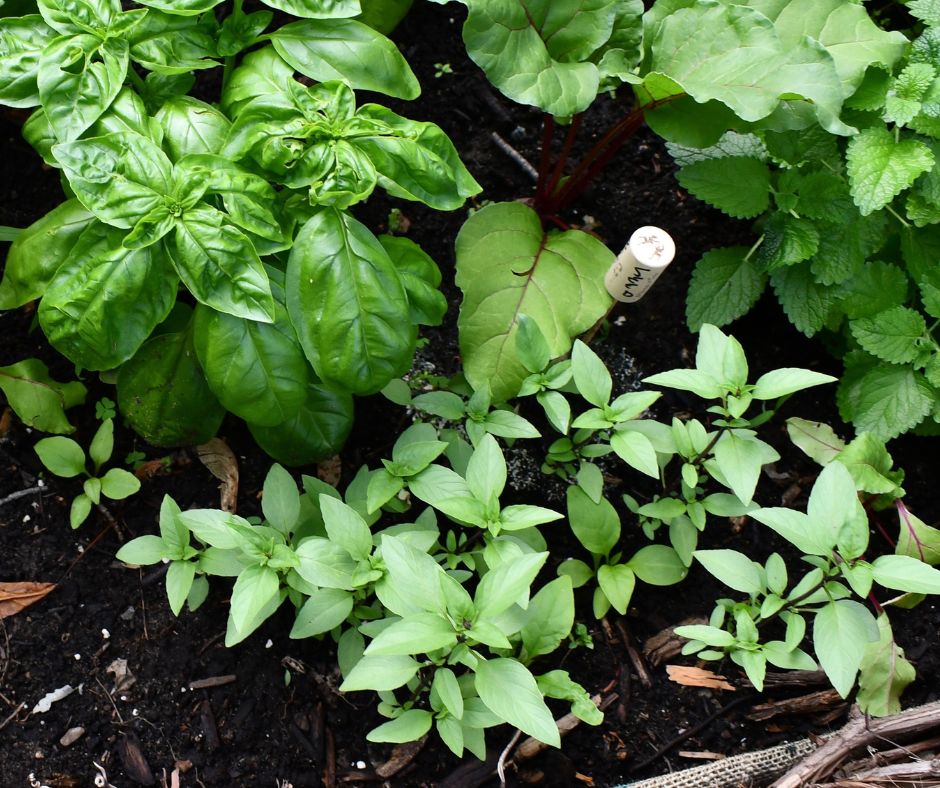
Herbs are the perfect starting point for anyone stepping into gardening or looking to incorporate fresh, sustainable flavor into their cooking. Better yet, drying your own herbs ensures you always have a supply of your favorites on hand—all while cutting costs and reducing waste. Best of all? You don’t need a green thumb to get started.
This guide will walk you through the five easiest herbs to grow specifically for dehydrating. Plus, we’ll share expert tips on how to dry, store, and use your homegrown herbs to elevate your kitchen creations and DIY projects.
Where to find seeds, plants, and supplies:
Basil
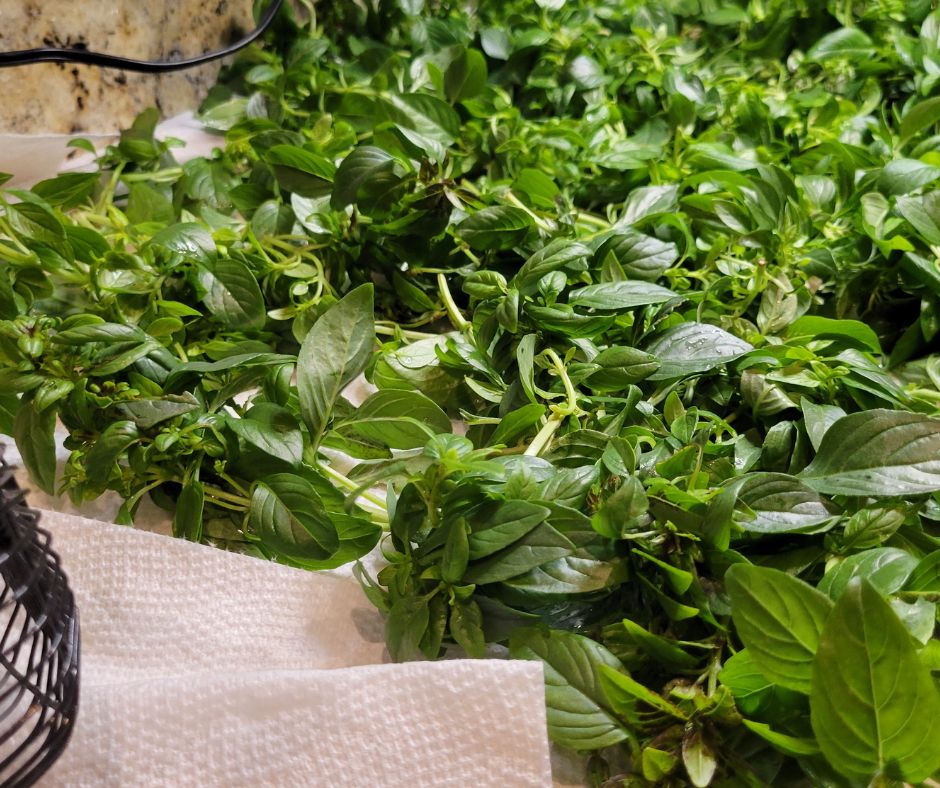
Basil thrives in warm, sunny conditions, making it a top pick for beginners. With minimal effort, you can enjoy this aromatic herb fresh and use it year-round after dehydrating.
Planting and Care
- Growing conditions: Plant basil in well-draining soil and ensure it gets at least six hours of direct sunlight daily.
- Watering needs: Water deeply once the soil feels dry about an inch beneath the surface.
Harvesting tip
Pick leaves once the plant reaches 8 inches tall but before it flowers for the best flavor. Dehydrated basil is ideal for soups, pasta sauces, and marinades.
Rosemary
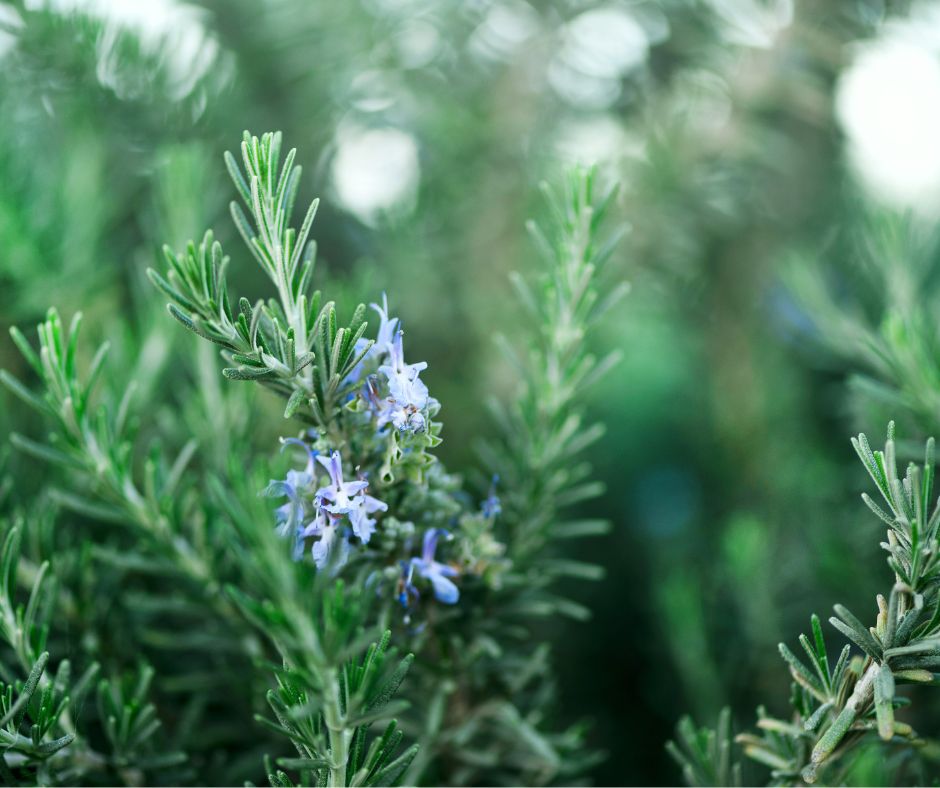
Known for its hardy nature, rosemary is not only easy to grow but also an herb that retains its piney aroma and flavor exceptionally well when dried.
Planting and Care
- Growing conditions: Rosemary loves sandy, well-draining soil and full sun. It’s perfect for container gardens if you’re short on space.
- Pruning: Regular trimming promotes growth and prevents it from becoming woody.
Harvesting tip
Snip sprigs from newer growth and dehydrate them either whole or as stripped leaves for savory dishes and even homemade hair rinses.
Thyme
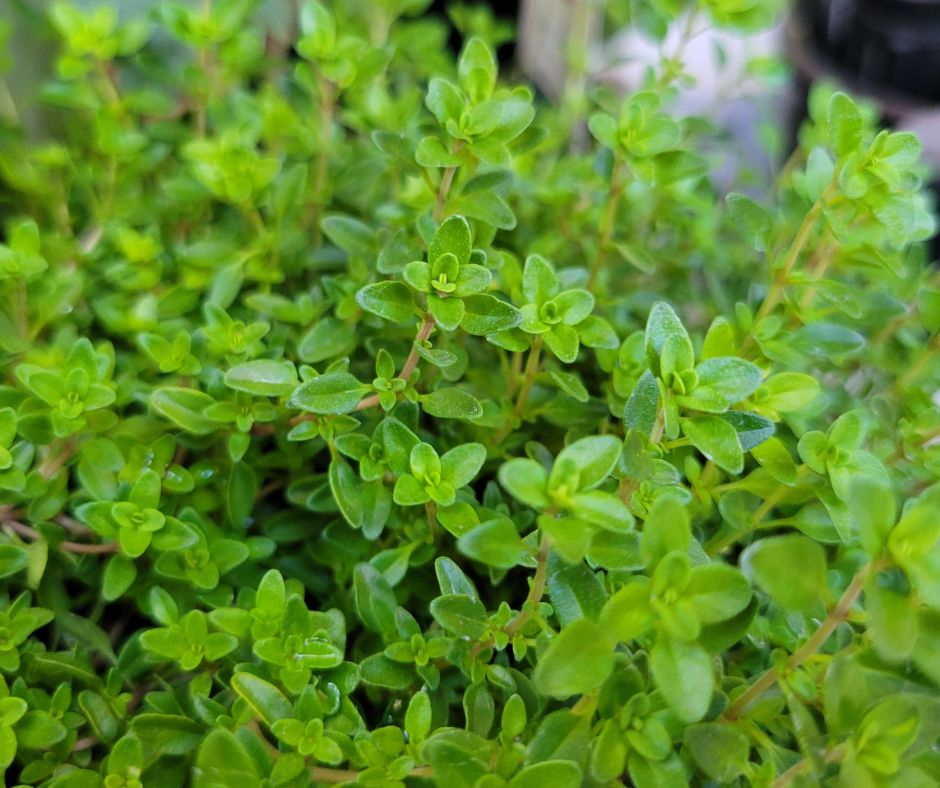
Thyme is a resilient plant requiring little water and maintenance, making it an excellent choice for all kinds of gardeners.
Planting and Care
- Growing conditions: Plant in well-drained soil with access to at least 6 hours of sunlight. It’s drought-tolerant, so overwatering is a no-go.
- Companion plant: Pair thyme with vegetables like tomatoes in your garden—it’s natural pest-repellent properties are a bonus!
Harvesting tip
Snip stems once flowering begins. Dried thyme works wonders in rubs for meat, roasted vegetables, or salad dressings.
Oregano
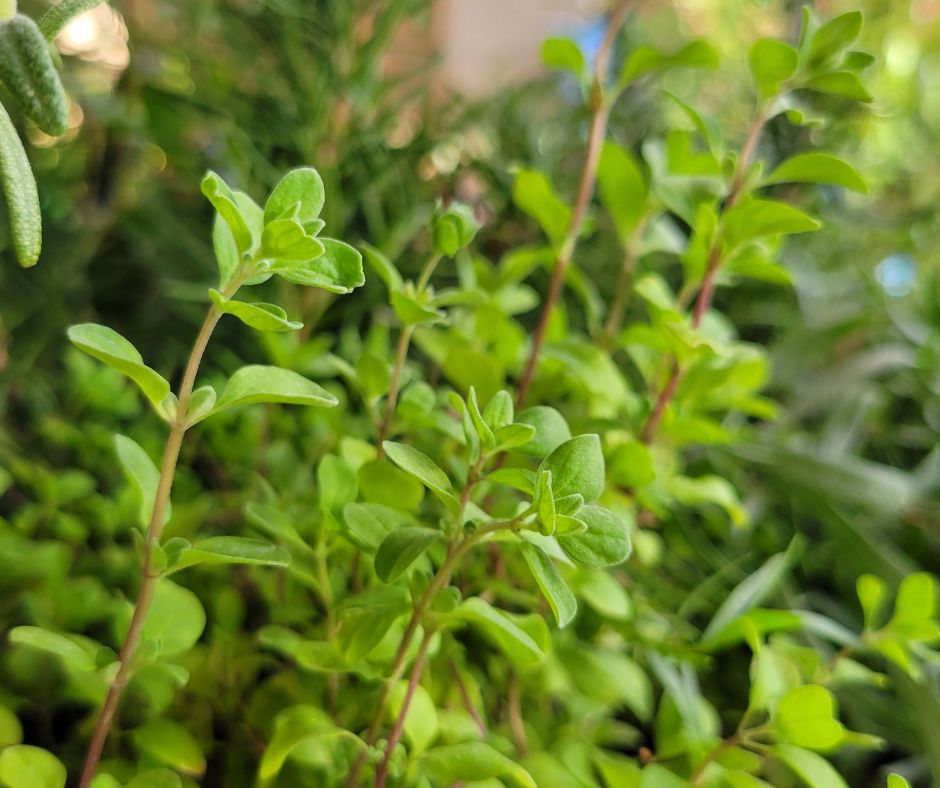
A staple in Italian and Mediterranean cuisine, oregano is a robust perennial herb that’s a breeze to grow—and even easier to dry.
Planting and Care
- Growing conditions: Like thyme, oregano thrives in sunny, well-drained soil and doesn’t mind the occasional dry spell.
- Planting method: Sow seeds directly outdoors in warm weather or start in pots indoors if it’s cooler.
Harvesting tip
Pick just before it flowers for the most potent flavor. Dehydrated oregano is perfect for pizzas, marinades, or a homemade spice blend.
Mint
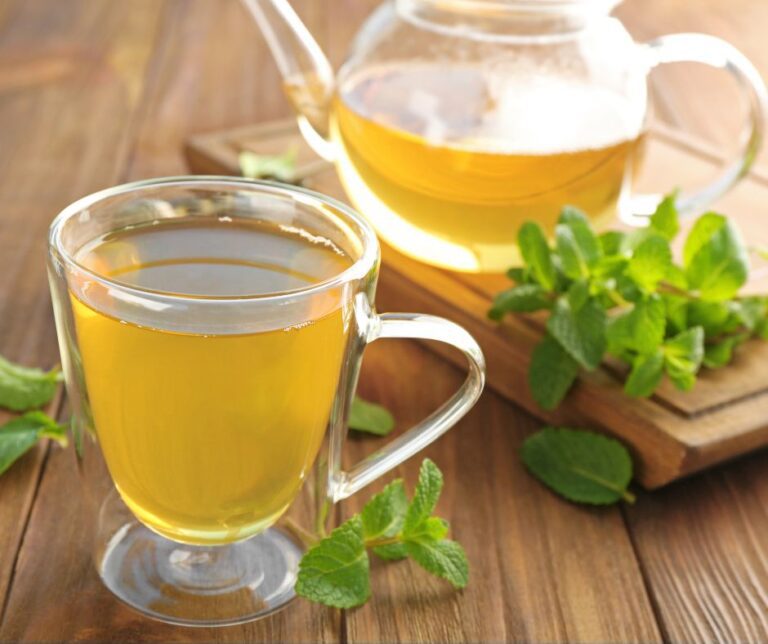
Mint grows so easily that the biggest challenge is often keeping it from overtaking your garden. Its refreshing flavor holds up beautifully after drying.
Planting and Care
- Ideal conditions: Plant in a container to prevent its roots from spreading and place it in partial sun.
- Watering needs: Mint loves consistently moist soil, so it requires more frequent watering compared to other herbs.
Harvesting tip
Cut leaves for drying as needed, especially before they flower. Dried mint is great for teas, desserts, or even DIY beauty products like bath soaks.
Tips for Dehydrating Herbs at Home
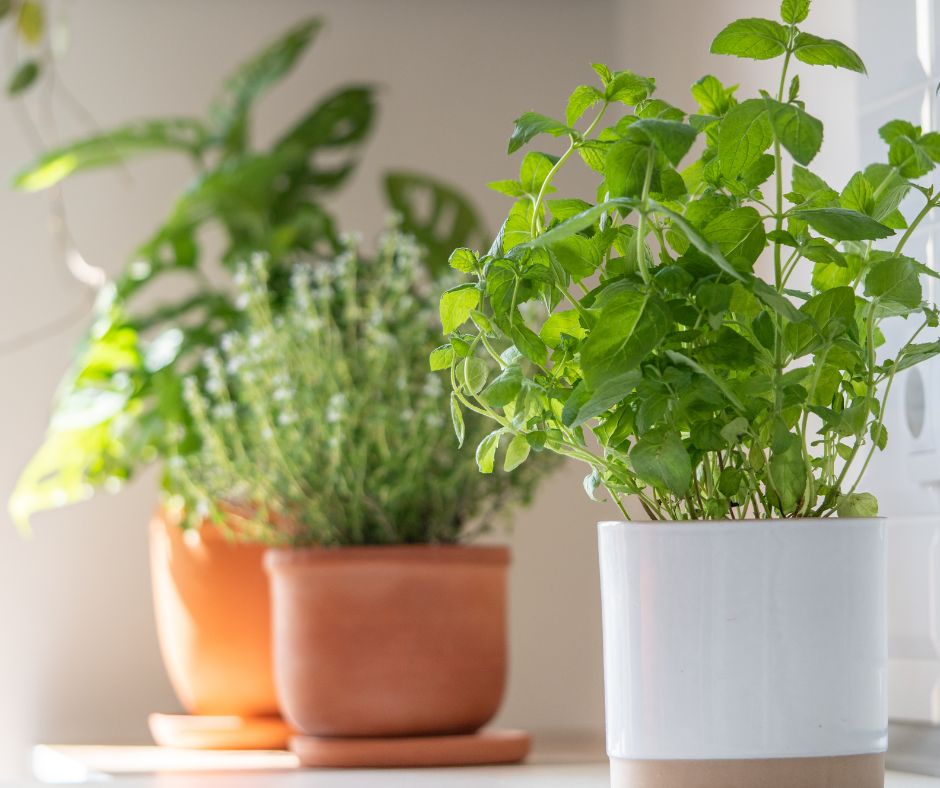
Once your herbs are freshly harvested, it’s time to preserve them for long-term use. Here’s how to do it the right way:
Three popular methods
- Air drying: Tie stems into small bundles and hang them in a dry, well-ventilated space, away from sunlight.
- Oven drying: Spread leaves in a single layer on a baking sheet and dry them at the lowest oven temperature for 1-2 hours, checking frequently.
- Using a dehydrator: Set your dehydrator to 95–110°F. Herbs typically dry within a few hours.
Storage tips
After drying, crumble the herbs into jars with airtight lids and store them away from light and heat to maintain maximum flavor. Properly stored herbs can last up to a year.
Creative Uses for Your Dehydrated Herbs
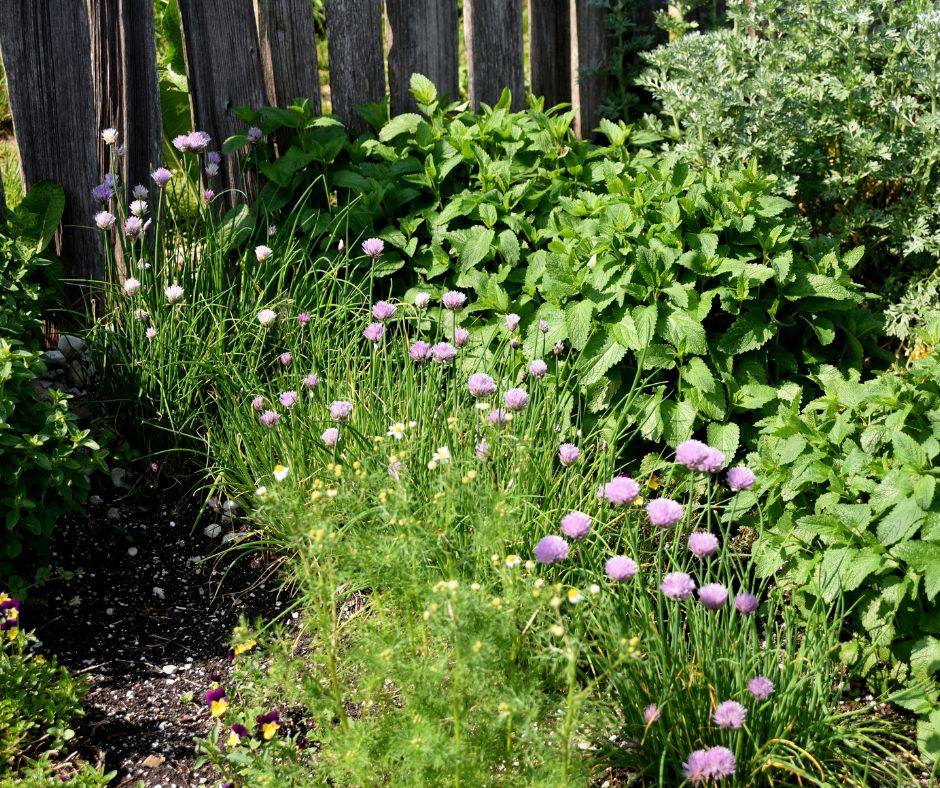
Now that your herb collection is ready, here are some fun and versatile ways to use them beyond standard cooking recipes:
- Homemade spice mixes: Blend various dried herbs for Italian or taco seasoning.
- Herbal teas: Experiment with mint, rosemary, or thyme for soothing infusions.
- Crafts and DIY projects: Create sachets, candles, or bath products using dried herbs for fragrance.
Growing and dehydrating your own herbs isn’t just practical—it’s also deeply rewarding. You’ll save money, reduce food waste, and enjoy the satisfaction of enhancing your meals, teas, and projects with herbs you cultivated yourself.
It’s easier than you think to get started. Choose one (or all!) of the five beginner-friendly herbs above, and begin your herb gardening adventure today. There’s no better time to bring fresh, homegrown flavor into your life!
Visit the Garden Resources page for supplies and inspiration. Don’t forget to subscribe to the Calendula’s Garden Newsletter for more gardening tips.
Calendula’s Garden is reader supported. When you buy through links on our site, we may earn an affiliate commission. As an Amazon Associate, I earn from qualifying purchases. For more information, view our Disclaimer page. Thank you!