5 Captivating Carnivorous Plants
Calendula's Garden is reader suported This post may contain affiliate links, more on our Disclaimer page. Thank you!
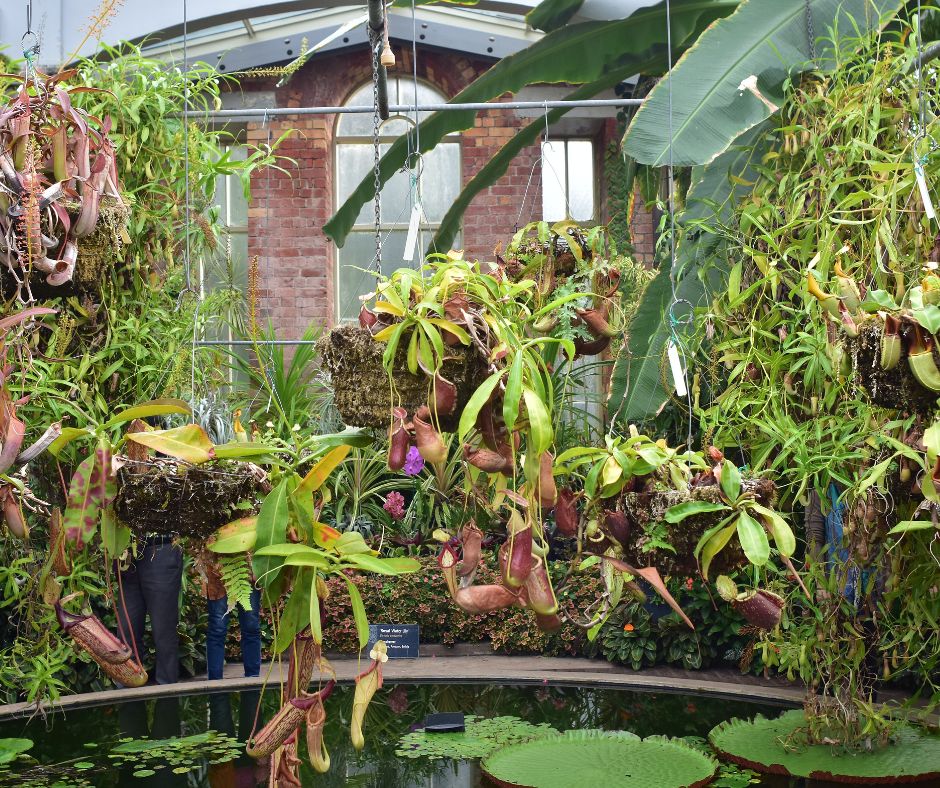
Looking to add a touch of intrigue to your garden, pond, or patio? Carnivorous plants are a fascinating way to bring unique conversation starting plants into your green space. Let’s explore five mesmerizing meat-eating plants that are sure to captivate you and your guests.
Sarracenia (Pitcher Plants)
These North American natives boast striking, trumpet-shaped pitchers that lure insects to their watery demise. With a wide range of colors and sizes, there’s a Sarracenia for every garden style. Provide them with full sun, nutrient-poor soil, and consistently moist conditions for optimal growth.
Venus Flytrap (Dionaea muscipula)
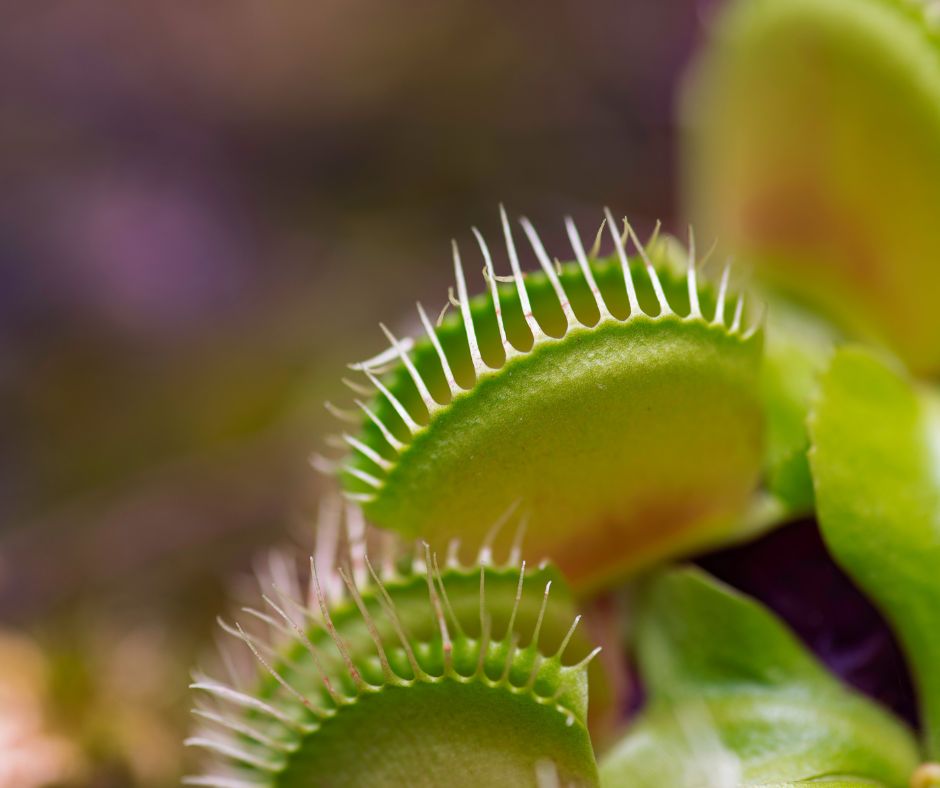
No list of carnivorous plants is complete without mentioning the iconic Venus flytrap! Its hinged leaves snap shut when triggered by unsuspecting prey, making it a true marvel to witness. Keep the soil moist and provide ample sunlight for a healthy, bug-catching plant.
Nepenthes (Tropical Pitcher Plants)
These exotic beauties hail from Southeast Asia and feature dangling pitchers that can grow up to a foot long in some species. Nepenthes thrive in humid environments and make stunning additions to hanging baskets or as climbing vines on trellises.
Drosera (Sundews)
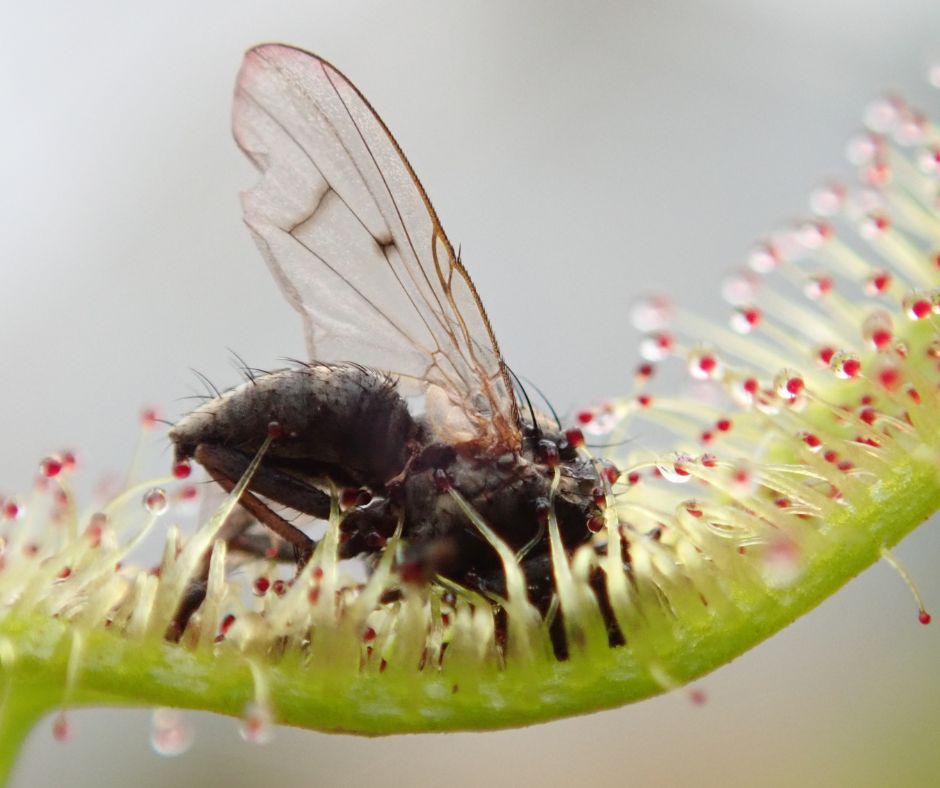
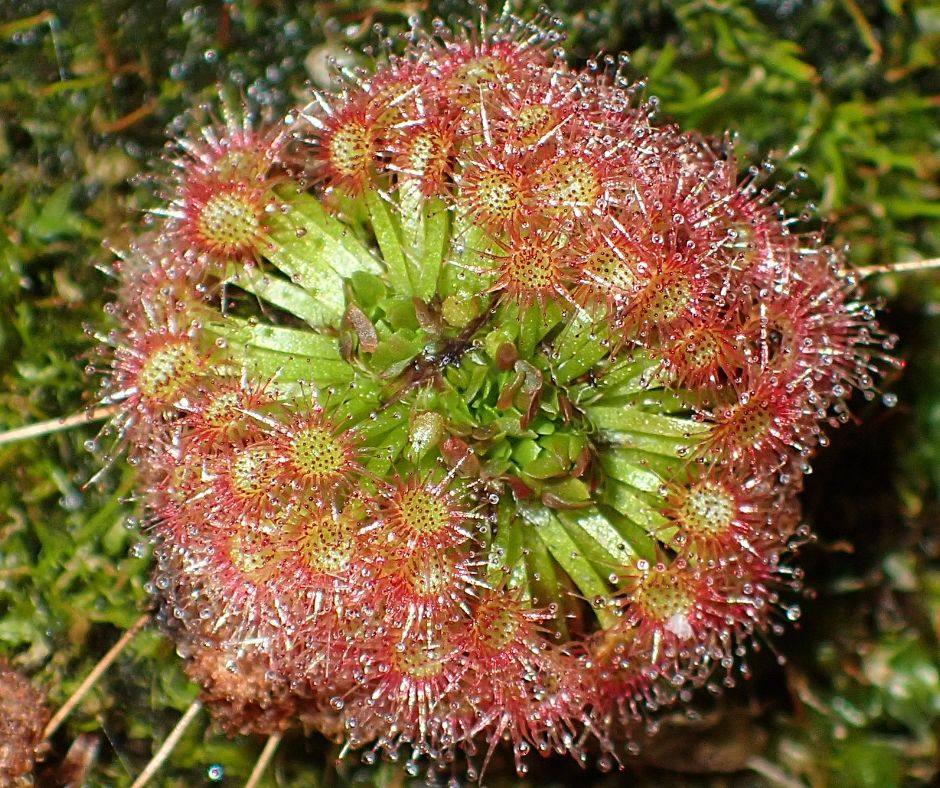
With their glistening, dew-like tentacles, sundews are as beautiful as they are deadly to small insects. These low-growing plants come in a variety of shapes and sizes, from the diminutive D. spatulata to the impressive D. capensis. Provide bright light and keep the soil consistently damp for happy sundews.
Carnivorous Plants for Ponds
Create a truly unique water feature by incorporating carnivorous plants like the waterwheel plant (Aldrovanda vesiculosa) or the bladderwort (Utricularia). These aquatic wonders add interest both above and below the water’s surface, trapping small aquatic invertebrates for nourishment.
Create a Tranquil Oasis with These 5 Ideas for Backyard Ponds
Where Find Plants and Supplies
Perfect Plants Carnivorous Plant Soil – Amazon
Cute Farms Terrarium Starter Kit – Amazon
Book: The Savage Garden, Revised: Cultivating Carnivorous Plants – Amazon
Curious Plant Carnivorous Plant Nursery
Feeding Your Carnivorous Plants: What They Eat and How to Nourish Them
Understanding the dietary needs of carnivorous plants is essential to keeping them healthy and vibrant. Each type of carnivorous plant has its own set of preferences when it comes to prey, and knowing how to provide them with the right nutrients will ensure they thrive in your garden, pond, or patio.
Sarracenia (Pitcher Plants)
Sarracenia plants primarily capture ants, flies, bees, wasps, and other small insects. These insects are attracted to the nectar secreted on the lip of the pitcher, eventually falling into the trap where they are digested by the plant’s enzymes. While naturally catching prey is ideal, occasionally supplementing their diet with small insects or powdered fish food can help if you notice a lack of insect visitors.
Venus Flytrap (Dionaea muscipula)
Venus flytraps feed on flies, spiders, and other small arthropods. Their sensitive trigger hairs cause the trap to snap shut when prey is captured. To feed a flytrap manually, use small insects (no larger than one-third the size of the trap) and place them on the open lobes. You can also use freeze-dried bloodworms or special carnivorous plant food, lightly rehydrated and offered sparingly.
Top 15 Subtropical Plants for a Low Maintenance Backyard Retreat
Nepenthes (Tropical Pitcher Plants)
Nepenthes catch a variety of insects, including ants, flies, beetles, and even small vertebrates like frogs in some larger species. They naturally trap prey in their pitchers, but you can supplement them with a few small insects, such as crickets, or a half-strength liquid plant food diluted in water (applied sparingly, as overfeeding can be harmful).
Drosera (Sundews)
Sundews attract and trap small insects like gnats, aphids, and fruit flies with their sticky, dew-coated tentacles. To feed them, you can gently place small live insects or finely crushed dried insects on the tentacles. You can also use a very diluted orchid fertilizer sprayed lightly over the leaves for an extra nutrient boost.
Carnivorous Pond Plants
Aquatic carnivorous plants like the waterwheel plant (Aldrovanda vesiculosa) and bladderwort (Utricularia) capture small aquatic invertebrates, such as water fleas and mosquito larvae, with their specialized traps. These plants do not require additional feeding if kept in a pond with a healthy ecosystem containing natural prey. However, if needed, you can introduce small aquatic animals like daphnia or infusoria to the water to ensure adequate nutrition.
By understanding and catering to the dietary needs of your carnivorous plants, you can create a thriving and fascinating environment that showcases the unique beauty and intriguing feeding habits of these incredible organisms.
Caring for Your Carnivorous Garden:
While each species has its own specific needs, there are some general guidelines for keeping your carnivorous plants thriving:
- Use nutrient-poor soil, such as sphagnum moss, or a mix specifically designed for carnivorous plants.
- Water with rainwater or distilled water to avoid mineral buildup.
- Most carnivorous plants require ample sunlight, so choose a bright location.
- Avoid fertilizing your plants; they obtain nutrients from the insects they catch.
- Protect your plants from freezing temperatures during winter, either by mulching or bringing them indoors.
Read about the massive variety of carnivorous plants at the International Carnivorous Plant Society
Creating a garden featuring carnivorous plants is a surefire way to spark curiosity and add a touch of the unusual to your outdoor living space. Embrace the unique beauty and adaptations of these remarkable plants.
Visit the Garden Resources page for supplies and inspiration. Don’t forget to subscribe to the Calendula’s Garden Newsletter for more gardening tips.
Calendula’s Garden is reader supported. When you buy through links on our site, we may earn an affiliate commission. As an Amazon Associate, I earn from qualifying purchases. For more information, view our Disclaimer page. Thank you!