25 Perennial Vegetables Every Gardener Should Know
Calendula's Garden is reader suported This post may contain affiliate links, more on our Disclaimer page. Thank you!
Imagine a garden filled with vegetables that come back year after year with minimal effort. That’s the magic of perennial vegetables.
Unlike annuals, which need to be replanted each season, perennials thrive for several years, offering a sustainable and low maintenance way to enjoy fresh produce.
They save time, reduce soil disturbance, and provide year-round harvests, making them a must for any gardener.
Where to find seeds, plants, and supplies:
The Top 25 Perennial Vegetables
Asparagus
A perennial vegetable that is prized for its tender and flavorful spears, asparagus can be harvested year after year.
Bamboo Shoots
The young shoots of bamboo are a delicacy in many Asian cuisines. They are low in calories and rich in fiber.
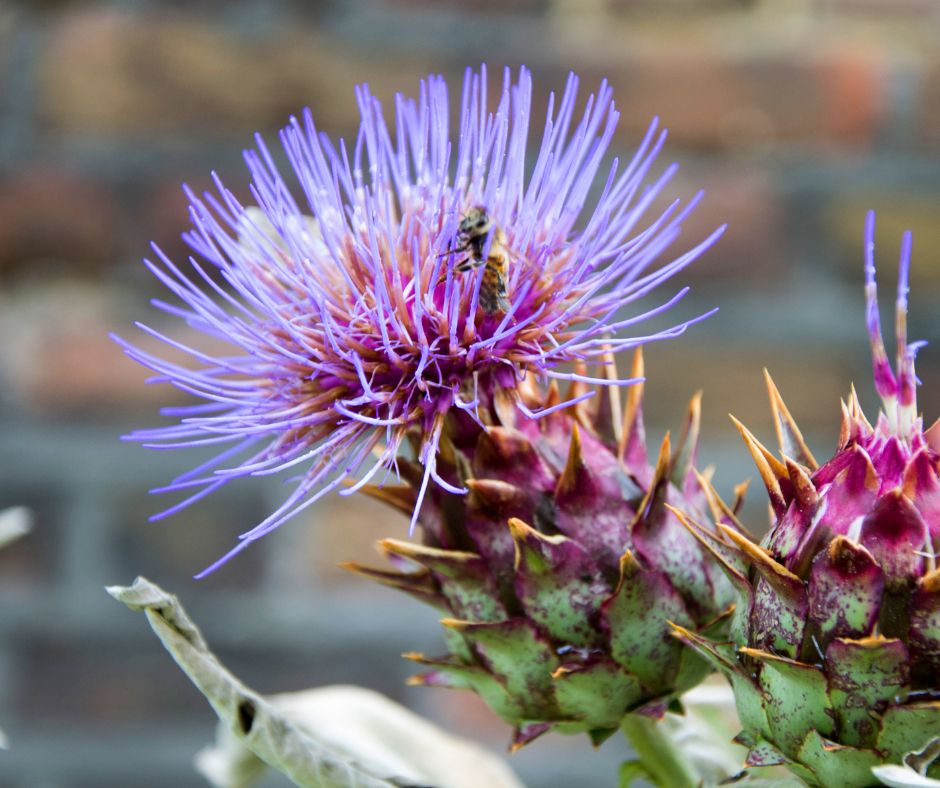
Cardoon
Related to artichokes, cardoon stems are eaten like celery and are high in fiber and antioxidants.
Chicory
The roots of chicory are often used as a coffee substitute, while its greens are great for salads and high in vitamins.
Chinese Artichokes
These small tubers have a crunchy texture and a nutty flavor. They are also high in carbohydrates and fiber.
Chives
An herb with a mild onion flavor, chives are perfect for garnishing dishes and are rich in vitamins A and C.
25 Mosquito Repellent Plants for a Bug-Free Haven
Cactus Pear (Prickly Pear)
Both the fruit and pads of this cactus are edible. They are high in antioxidants and vitamin C.
Daylilies
Both the flowers and tubers are edible. They add a splash of color to your garden and are rich in vitamins.
Egyptian Walking Onions
These onions form clusters of small bulbs at the top of the stalk, which then fall over and plant themselves.
Garlic Chives
These perennial herbs have a mild garlic flavor and are useful in various dishes, adding both taste and nutritional value.
Groundnut
A climbing vine that produces edible tubers. It’s a great source of protein and can replace potatoes in recipes.
Jerusalem Artichoke (Sunchoke)
Despite being called an artichoke, this root vegetable is actually a type of sunflower. It has a nutty flavor and is high in potassium.
Lovage
With a flavor similar to that of celery, lovage is excellent in soups, stews, and sauces. It’s rich in vitamins and essential minerals.
Miner’s Lettuce
This leafy green thrives in cool weather and is rich in vitamins A and C.
Mitsuba (Japanese Parsley)
A common herb in Asian cuisine, known for its fresh, parsley-like flavor.
New Zealand Spinach
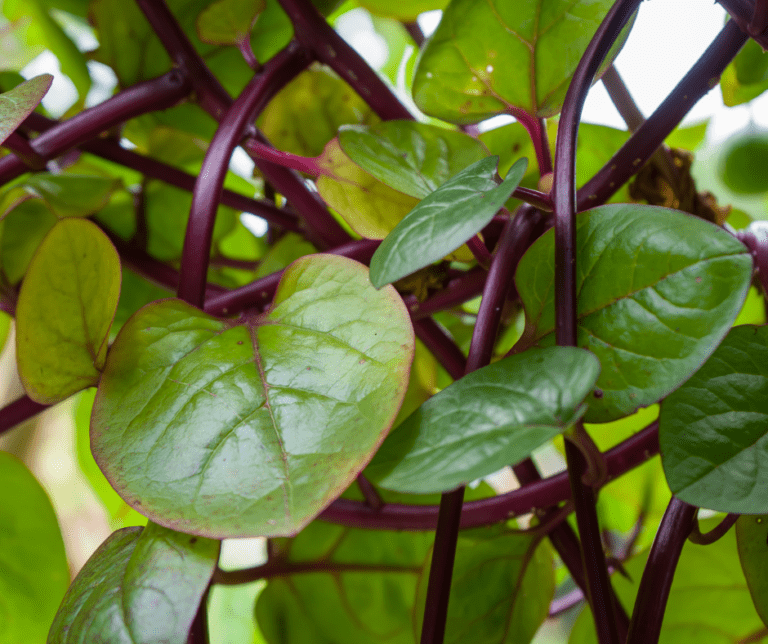
This heat-tolerant green is a great alternative to regular spinach and keeps producing all season long.
Oca
This South American tuber is similar to potatoes but has a tangy, lemony taste. It is rich in carbohydrates and vitamin C.
Ostrich Fern (Fiddleheads)
The young, coiled fronds of ostrich ferns, known as fiddleheads, are a delicacy in spring.
Perennial Kale
This hardy plant provides a continuous supply of nutrient-dense leaves.
Choosing the Best Raised Garden Bed
Quinoa
While often grown as an annual, in warmer climates, quinoa can behave as a perennial, producing nutritious seeds year after year.
Rhubarb
Often used in desserts, rhubarb is a perennial vegetable that can be harvested for years. Its stalks have a tart flavor and are high in vitamin K.
Salad Burnet
A salad green with a cucumber-like flavor, it can be harvested throughout the growing season.
Salsify
This root vegetable has an oyster-like taste and is a good source of fiber, calcium, and potassium.
Skirret
This root vegetable has a sweet flavor and can be used much like carrots or parsnips. It’s rich in fiber and vitamins.
Wild Ginger
Despite its name, it’s not related to culinary ginger but has aromatic roots used in traditional remedies and culinary applications.
Yacon
A root vegetable native to South America, yacon is sweet and juicy, often eaten raw or added to salads and desserts. It’s rich in antioxidants and inulin, beneficial for digestion.
Perennial Vegetable Growing Tips
Growing perennial vegetables is easier than you might think. Here are some basic tips to get you started:
- Choose the Right Spot: Most perennials prefer well-drained soil and a sunny location.
- Prepare the Soil: Enrich your garden bed with organic matter like compost to provide essential nutrients.
- Planting: Follow the specific planting requirements for each vegetable. Some may need deeper soil, while others thrive in shallow beds.
- Watering: Keep the soil consistently moist but not waterlogged.
- Maintenance: Mulch around plants to retain moisture and suppress weeds. Prune as needed to encourage healthy growth.
- Harvesting: Allow plants to establish themselves before the first major harvest. Follow specific harvesting guidelines for each vegetable to ensure continued production.
The Health Benefits of Perennial Vegetables
Incorporating perennial vegetables into your diet offers numerous health benefits:
- Nutrient-Dense: These vegetables are packed with essential vitamins and minerals.
- High in Antioxidants: Many perennial vegetables are rich in antioxidants, which help fight free radicals and prevent chronic diseases.
- Fiber-Rich: Consuming fiber helps with digestion and can reduce the risk of heart disease.
- Low in Calories: Most perennial vegetables are low in calories, making them ideal for weight management.
- Sustainable: Growing your own perennial vegetables reduces your carbon footprint and ensures you have access to fresh, organic produce year-round.
100 Benefits of Gardening: Why You Should Dig In Today
Perennial Vegetables in Different Climates
Not all perennial vegetables are suitable for every climate. Here’s a quick guide to help you choose the right ones for your region:
- Temperate Climates: Asparagus, rhubarb, and Jerusalem artichokes thrive in cooler climates.
- Tropical Climates: Tree spinach (chaya) and cactus pear are perfect for warm, humid conditions.
- Arid Climates: Bamboo shoots and certain types of cacti are well-suited for dry areas.
- Coastal Climates: Sea kale and sorrel can handle the salty air and sandy soil of coastal regions.
Starting a perennial vegetable garden is a rewarding way to enjoy fresh, nutritious produce year after year. With minimal maintenance, these hardy plants will provide you with a bountiful harvest and numerous health benefits.
Visit the Garden Resources page for supplies and inspiration. Don’t forget to subscribe to the Calendula’s Garden Newsletter for more gardening tips.
Calendula’s Garden is reader supported. When you buy through links on our site, we may earn an affiliate commission. As an Amazon Associate, I earn from qualifying purchases. For more information, view our Disclaimer page. Thank you!