25 Mosquito Repellent Plants for a Bug-Free Haven
Calendula's Garden is reader suported This post may contain affiliate links, more on our Disclaimer page. Thank you!
Picture this: a serene evening in your garden, the warm glow of the sunset, and a refreshing breeze… marred only by the incessant buzzing of mosquitoes. It doesn’t have to be that way. With the right plants, you can turn your backyard into a mosquito-repelling oasis that’s both fragrant and beautiful.
Mosquitoes are not just a nuisance; they carry serious diseases. If you’re a nature lover and want to enjoy the outdoors without the threat of buzzing pests, planting mosquito-repelling plants is your green solution.
This article is for the green-thumbed aficionados who wish to create a natural shield against mosquitoes while also recognizing the aesthetic and environmental value of plant life.
Understanding Mosquito-Repellent Plants
Before we jump into the list, it’s important to grasp the science behind mosquito-repelling plants. Some plants naturally produce compounds, such as citronella, that mask scents that are attractive to mosquitoes. Others release a scent that repels mosquitoes, often without any assistance from you beyond regular watering and sunlight.
These plants can be powerful allies in your pest control strategy. However, it’s essential to remember that no plant can guarantee a complete mosquito-free zone.
However, when used in combination with other control methods, they can significantly lower the number of mosquitoes in your immediate area.
10 Tips For Creating Your Dream Outdoor Reading Nook
Where to find seeds, plants, and supplies:
25 Plants that Keep Mosquitoes at Bay
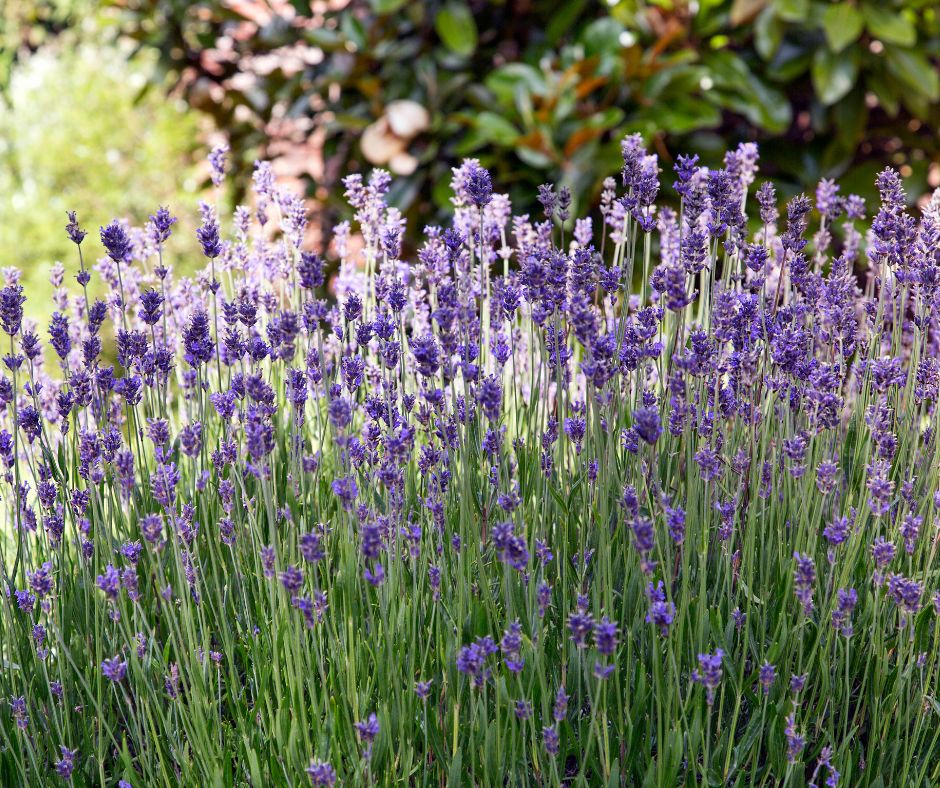
Lavender (Lavandula angustifolia)
Lavender is admired for its beautiful purple flowers and potent, soothing scent. It is a versatile plant that can be potted, planted in gardens, or used for landscaping.
Marigold (Tagetes spp.)
Marigolds are popular annuals, known for their vibrant colors and an aroma that mosquitoes find repulsive. They’re easy to grow from seed and thrive in sunny locations.
Catnip (Nepeta cataria)
Catnip, a favorite of felines, is also a deterrent for mosquitoes due to its nepetalactone, a compound that insects dislike.
Citronella Grass (Cymbopogon nardus)
Citronella grass, with its strong citronella scent, is the source of the common citronella oil used in candles and torches.
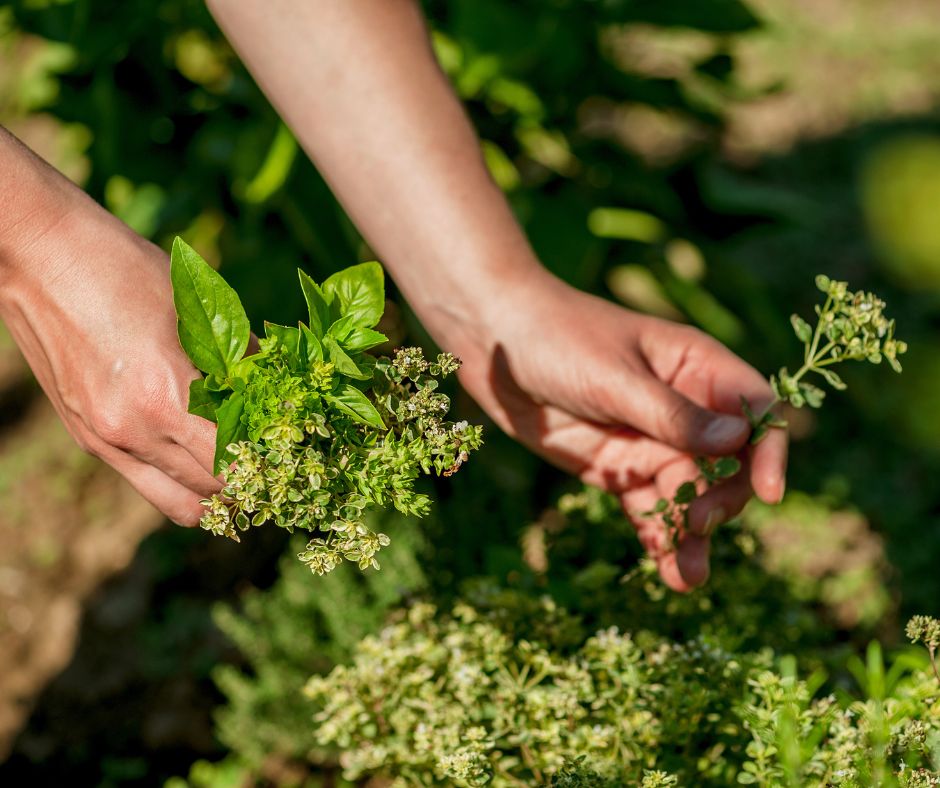
Basil (Ocimum basilicum)
Basil is a culinary herb that emits a scent that not only repels mosquitoes but can also enhance the flavor of your home-cooked meals.
Peppermint (Mentha × piperita)
Peppermint is a hardy perennial that can spread rapidly. Its scent is invigorating to us but discouraging to mosquitoes.
Lemon Balm (Melissa officinalis)
A member of the mint family, lemon balm exudes a potent lemony scent that makes it a mosquito-repelling favorite.
Rosemary (Rosmarinus officinalis)
This Mediterranean shrub features needle-like leaves and a distinctive aromatic profile that deters mosquitoes and offers flavor to your cooking.
Garlic Plant (Allium sativum)
The pungent aroma of garlic plants keeps more than just vampires away, it provides a natural mosquito barrier.
Lemon Verbena (Aloysia citrodora)
With leaves that release a strong citrus scent, lemon verbena is an effective mosquito repellent.
Lemongrass (Cymbopogon citratus)
This tropical grass releases a similar aroma to citronella, effectively discouraging mosquitoes.
Geranium (Pelargonium spp.)
The mosquito-repelling aspect of geraniums is found in their distinct scent as well as the essential oil of the plant.
Chrysanthemum (Chrysanthemum × morifolium)
Chrysanthemums contain pyrethrum, a natural pesticide. Their flowers can be grown in pots or directly in the garden to repel mosquitoes.
Pennyroyal (Mentha pulegium)
Often used as groundcover, pennyroyal’s strong mint scent acts as an insect repellent. But place it with caution, as pennyroyal is a poisonous plant when ingested.
Eucalyptus (Eucalyptus globulus)
The strong odor released from the eucalyptus plant keeps mosquitoes away and provides a source of relief from congestion.
Bee Balm (Monarda didyma)
Also known as wild bergamot, bee balm entices pollinators and fends off mosquitoes with its strong, pleasing aroma.
Tansy (Tanacetum vulgare)
Tansy leaves contain toxic pyrethrum, which is released into the air and repels mosquitoes while being nontoxic to humans.
Thyme (Thymus vulgaris)
Thyme releases a pleasant aroma that masks the scent of humans, making it less likely to attract mosquitoes.
Sage (Salvia officinalis)
This savory herb emits a strong smell that mosquitoes find disagreeable.
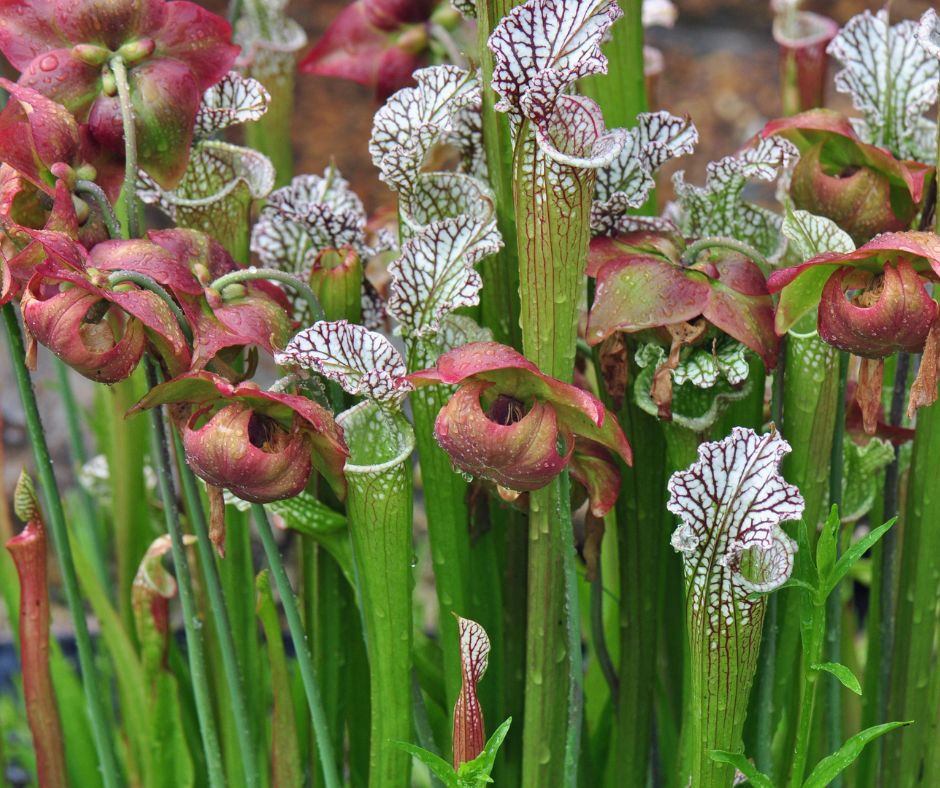
Pitcher Plant (Sarracenia spp.)
This carnivorous plant that feeds on mosquitoes and other insects traps its prey within a tubular leaf structure.
Oregano (Origanum vulgare)
Oregano, a perennial herb, releases a scent liked by humans but disliked by mosquitoes.
Alliums (Allium spp.)
The family of alliums, including garlic, onions, leeks, and chives, releases a strong odor that repels mosquitoes.
Floss Flower (Ageratum houstonianum)
Low-maintenance and lovely, the floss flower’s blue blooms hide their potent, mosquito-repelling scent.
Lemon Basil (Ocimum × citriodorum)
The citrusy aroma of lemon basil wards off mosquitoes and adds a refreshing note to your garden.
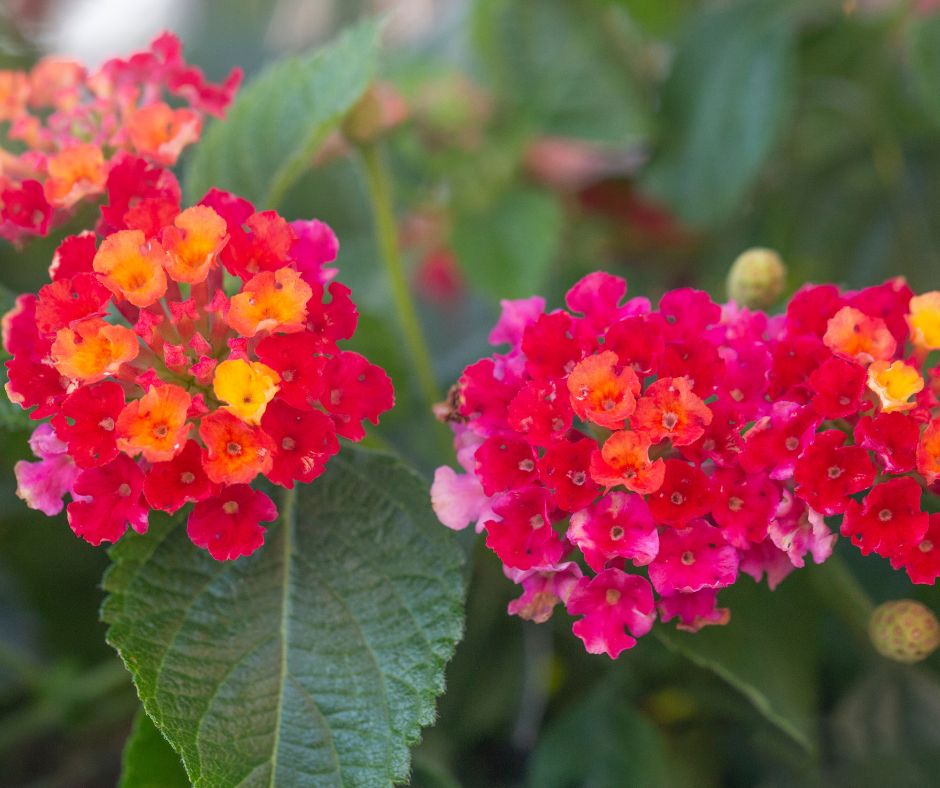
Lantana (Lantana spp.)
This hardy, perennial shrub features a pungent, spicy aroma that prevents mosquitoes from flying too close.
Attract More Pollinators and Butterflies to Your Garden with Lantana Flowers
Each of these plants has unique growing conditions, and some are invasive in certain regions. Always check the best practices for nurturing them in your area.
Planting and Maintaining a Mosquito-Repellent Garden
Here are some tips to ensure that your mosquito-repelling garden thrives and continues to thwart those pesky pests:
- Positioning Your Plants: Place plants strategically near doors, windows, or seating areas for maximum effect.
- Regular Maintenance: Regular weeding and pruning will help your plants breathe and prosper.
- Adequate Watering: Mosquito-repelling plants do best when they’re healthy, so be sure to water according to their needs, usually about an inch of water per week.
- Fertilization: Use natural fertilizers and avoid nitrogen-rich formulas that can attract more mosquitoes with new growth.
- Companion Planting: Some plants work as allies when placed together, enhancing each other’s growth and mosquito-repelling effectiveness.
How to Introduce Gambusia affinis (Mosquitofish) into Your Backyard Pond
Using Mosquito-Repellent Plants Indoors and in Urban Spaces
Don’t have an outdoor area to tend to? Mosquito-repelling plants can also be part of your indoor decor. Keep potted plants by windows or in any area that’s prone to mosquito entry.
Urban environments, with their higher concentrations of people, often see more mosquitoes. Public gardens and green spaces in the city can benefit from the addition of these plants, creating small pockets of mosquito-deterring greenery.
Budget Friendly Privacy Screen Ideas for Your Patio
While no garden can promise a complete mosquito-free experience, the inclusion of these mosquito-repelling plants is a natural, attractive, and delightful way to manage pests. They not only contribute to the environment but also offer a personal touch to your living space.
Happy Gardening!
Visit the Garden Resources page for supplies and inspiration. Don’t forget to subscribe to the Calendula’s Garden Newsletter for more gardening tips.
Calendula’s Garden is reader supported. When you buy through links on our site, we may earn an affiliate commission. As an Amazon Associate, I earn from qualifying purchases. For more information, view our Disclaimer page. Thank you!