15 Great Plants For Fall Pollinator Gardens
Calendula's Garden is reader suported This post may contain affiliate links, more on our Disclaimer page. Thank you!

Pollinator gardens are more than just a beautiful addition to your backyard. They play a crucial role in supporting biodiversity and helping pollinators like bees, butterflies, and birds thrive.
Providing Fall flowers and habitat for these hardworking creatures is important, as many species are preparing for winter.
We’ll explore 15 plants for a fall pollinator garden and provide you with practical tips to make your garden a haven for pollinators.
Why Pollinator Gardens Matter
Pollinators are essential for the reproduction of over 80% of flowering plants and one-third of our food crops. Unfortunately, many pollinator species are in decline due to habitat loss, pesticide use, and climate change.
Creating a pollinator garden is a simple yet powerful way to support these vital creatures and promote environmental health.
Criteria for Selecting Plants
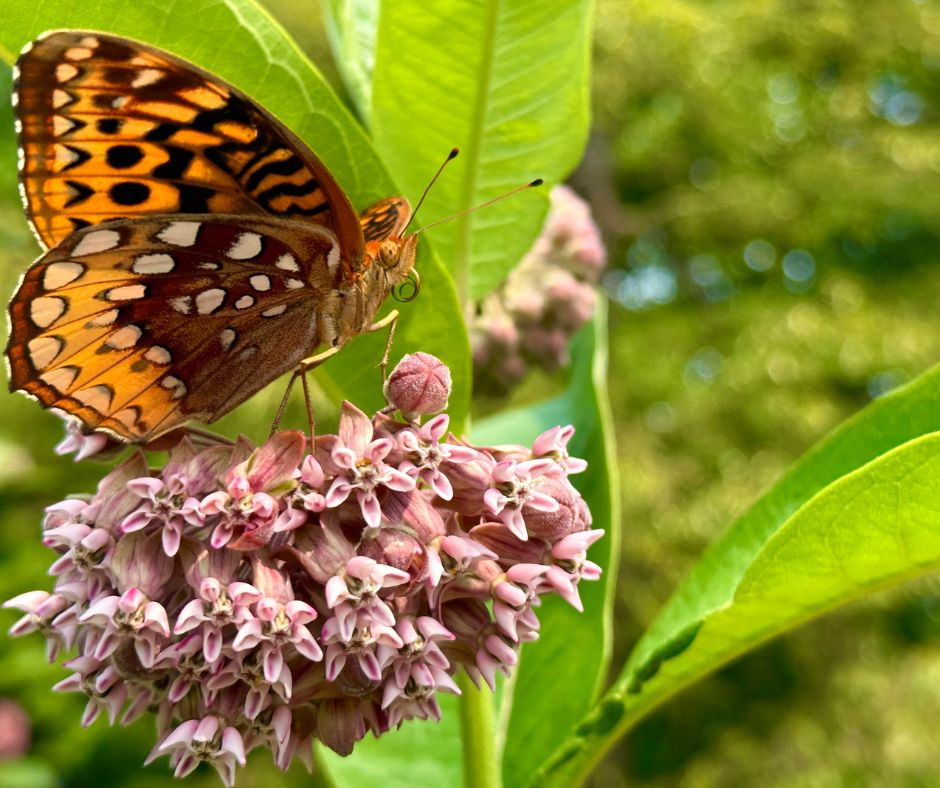
When selecting plants for your fall pollinator garden, consider the following criteria:
- Seasonality: Choose plants that bloom in the fall to provide nectar and pollen when other sources are scarce.
- Pollinator Attraction: Opt for plants known to attract bees, butterflies, and other pollinators.
- Garden Aesthetics: Select plants that complement your garden’s design and add visual interest.
Where to find seeds, plants, and supplies:
The List: 15 Plants for a Fall Pollinator Garden
1. Asters (Symphyotrichum spp.)
Asters are a fall favorite, with daisy-like flowers that come in shades of purple, pink, and white. They attract a variety of pollinators, including bees and butterflies.
- Key Features: Long blooming period, vibrant colors
- Planting Tips: Plant in well-drained soil and full sun to partial shade. Deadhead spent flowers to encourage continuous blooming.
2. Goldenrod (Solidago spp.)
Goldenrod is often misunderstood as a cause of hay fever, but it’s actually a fantastic pollinator plant. Its bright yellow flowers are a magnet for bees and butterflies.
- Key Features: Tall, golden plumes; drought-tolerant
- Planting Tips: Plant in full sun and well-drained soil. It’s tolerant of poor soils and requires minimal maintenance.
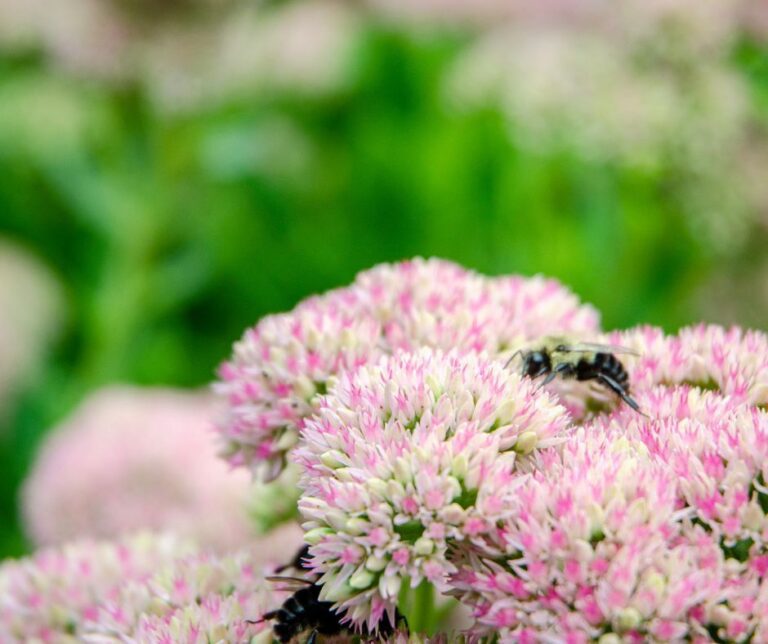
3. Sedum (Sedum spp.)
Sedum, also known as stonecrop, features succulent leaves and clusters of star-shaped flowers. It’s highly attractive to bees and butterflies.
- Key Features: Low maintenance, drought-tolerant
- Planting Tips: Plant in full sun and well-drained soil. Sedums are perfect for rock gardens and borders.
4. Joe-Pye Weed (Eutrochium spp.)

Joe-Pye Weed is a large, clump-forming perennial with clusters of fuzzy, mauve-pink flowers. It’s a favorite among butterflies.
- Key Features: Tall and stately; attracts butterflies
- Planting Tips: Plant in moist, well-drained soil and full sun to partial shade. It thrives in wet meadows and along stream banks.
5. New England Aster (Symphyotrichum novae-angliae)
With its vibrant purple petals and yellow centers, the New England Aster is a showstopper in the fall garden. It attracts a variety of pollinators, including bees and butterflies.
- Key Features: Hardy and long-blooming
- Planting Tips: Plant in full sun and well-drained soil. Regular watering helps maintain its vigor.
6. Russian Sage (Perovskia atriplicifolia)
Russian Sage features tall spires of silvery-green foliage topped with small, lavender-blue flowers. It offers a long flowering season that attracts a plethora of pollinators.
- Key Features: Drought-tolerant, aromatic foliage
- Planting Tips: Plant in full sun and well-drained soil. Prune in early spring to promote new growth.
7. Bee Balm (Monarda spp.)
Known for its striking red, pink, or purple blooms, Bee Balm is a magnet for hummingbirds and bees alike. Its minty scent can also help deter pests.
- Key Features: Fragrant leaves, attracts various pollinators
- Planting Tips: Prefers full sun to partial shade with moist, well-drained soil. Division every few years helps keep plants vigorous.
8. Scabiosa (Scabiosa spp.)
Also known as pincushion flower, Scabiosa provides an intricate, unique bloom that butterflies love. They thrive in diverse garden settings.
- Key Features: Long blooming period, fragrant flowers
- Planting Tips: Plant in well-drained soil and full sun. Deadheading promotes continuous blooms.
9. Fall-Flowering Helenium (Helenium autumnale)
This sun-loving perennial has daisy-like flowers in warm hues, adding vibrant colour to autumn gardens while attracting bees and butterflies.
- Key Features: Robust and hardy, great for borders
- Planting Tips: Plant in full sun with moist, well-drained soil. Divide every few years for better growth.
10. Golden Samphire (Salicornia europaea)
An unusual addition, Golden Samphire thrives in coastal environments and offers unique textures and visual interest while attracting pollinators.
- Key Features: Edible, succulent stems
- Planting Tips: Plant in sandy, well-drained soil with full sun exposure.
11. Nodding Onion (Allium cernuum)
Nodding Onion showcases delicate pink or white bell-shaped flowers and attracts a variety of pollinators, particularly during late summer and fall.
- Key Features: Unique nodding flower heads, edible leaves
- Planting Tips: Plant in well-drained soil and full sun. Tolerates drought and poor soil.
Cultivating Moments of Awe in the Garden: How to Turn Your Backyard into an Inspiring Sanctuary
12. Hibiscus (Hibiscus spp.)
Known for its large, showy flowers, hibiscus varieties can attract numerous pollinators, adding a tropical flair to any garden.
- Key Features: Spectacular blooms, long blooming season
- Planting Tips: Plant in well-drained soil with full sun exposure. Regular watering is essential, especially in dry spells.
13. Sedum ‘Autumn Joy’ (Sedum spectabile)
A popular sedum variety, ‘Autumn Joy’ features flat clusters of pink flowers that bloom late in the season, attracting a range of pollinators.
- Key Features: Tough, drought-tolerant
- Planting Tips: Requires full sun and well-drained soil. Deadhead flowers to promote a tidy appearance.
14. Sweet Bay Magnolia (Magnolia virginiana)
This evergreen shrub features fragrant white flowers that attract pollinators and can provide year-round interest in coastal gardens.
- Key Features: Fragrant flowers, attractive foliage
- Planting Tips: Prefers well-drained, rich soil in full sun to partial shade. Regular watering promotes healthy growth.
15. Monkshood (Aconitum spp.)
Monkshood is known for its distinctive blue flowers and is loved by bumblebees in the fall. However, care should be taken as all parts of this plant are toxic if ingested.
- Key Features: Unique hood-shaped blooms
- Planting Tips: Plant in partial shade to full sun with moist, well-drained soil. Regular watering is important to maintain vigor.
Why Fall is an Ideal Season for Pollinator Gardens

Fall is a critical time for pollinators as they prepare for winter. Many species rely on late-blooming flowers to build up energy reserves.
Additionally, fall planting gives plants a head start for spring, allowing them to establish strong root systems.
Tips for Designing and Maintaining a Fall Pollinator Garden
Diverse Plant Selection: Combine different flower shapes, sizes, and colors to attract a variety of pollinators.
Continuous Bloom: Ensure there are flowers blooming at all times by planting species with staggered bloom periods.
Include Native Plants: Native plants are adapted to the local climate and are more likely to support native pollinators.
Provide Shelter: Include elements like rocks, logs, or shrubs that provide shelter for pollinators during harsh weather.
Avoid Pesticides: Pesticides can harm both beneficial and harmful insects. Instead, choose natural methods of pest control if necessary.
Deadhead Regularly: Removing spent blooms promotes continuous blooming and tidier appearance. However, if you want your plants to reseed, let the flowers dry on the plant.
Regular Watering: While some species are drought-tolerant, regular watering helps maintain healthy growth and ensures flowers produce nectar for pollinators.
Provide Water: Include a shallow water source for pollinators to drink from.
Find More Pollinator Garden Inspiration
Creating a fall pollinator garden is a rewarding way to support biodiversity and enjoy the beauty of nature.
By selecting the right plants and providing a welcoming habitat, you can make a significant impact on the health of pollinator populations.
Ready to get started? Explore our gardening resources and discover how you can transform your garden into a pollinator paradise.
Visit the Garden Resources page for supplies and inspiration. Don’t forget to subscribe to the Calendula’s Garden Newsletter for more gardening tips.
Calendula’s Garden is reader supported. When you buy through links on our site, we may earn an affiliate commission. As an Amazon Associate, I earn from qualifying purchases. For more information, view our Disclaimer page. Thank you!