12 Must Have Fairy Garden Accessories
Calendula's Garden is reader suported This post may contain affiliate links, more on our Disclaimer page. Thank you!
Peering into a garden and discovering a tiny, hidden world tucked beneath the leaves of a hosta or nestled in an old planter is delightful. Fairy gardens have exploded in popularity recently, and it is easy to see why.
They offer a delightful escape from the ordinary, allowing us to exercise our creativity on a miniature scale. Whether you have acres of land or just a small balcony, these enchanting setups bring a sense of wonder that appeals to gardeners of all ages.
Creating a fairy garden is more than just placing a few figurines in the soil. It is about storytelling and building a habitat that looks as though it sprang up naturally from the earth.
The right combination of plants and decor can turn a simple pot into a bustling village for your mythical friends. But where do you start? With so many options available, curating the perfect scene can feel overwhelming.
If you are ready to invite a little whimsy into your green space, we have compiled the ultimate guide to the essential elements you need. From cozy cottages to tiny tools, here are the 12 must-have accessories to give your fairy garden that authentic, enchanted forest look.
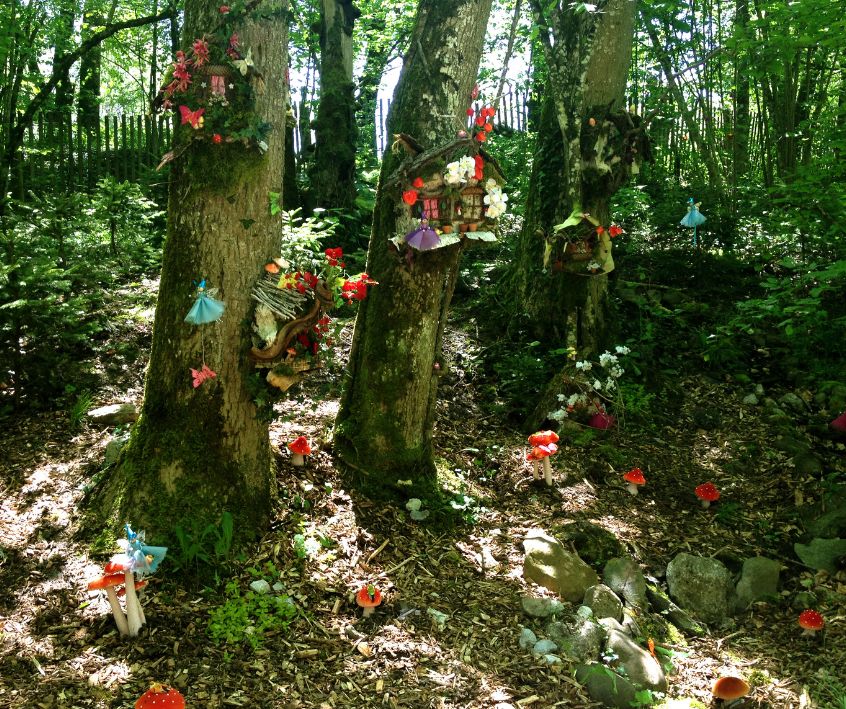
What is a Fairy Garden?
At its heart, a fairy garden is a miniature landscape cultivated with living plants and accessorized with small-scale structures and figures. Think of it as a dollhouse meets gardening.
The concept is rooted in folklore, where people would build small shrines or habitats to attract fairies, believing these spirits would bring good luck and protection to their homes.
Today, the purpose is largely recreational and aesthetic, but the spirit of connection to nature remains. It is a fantastic project for beginners because it doesn’t require massive amounts of space or heavy digging.
It allows you to experiment with plant textures and design principles without the commitment of a full-sized landscape redesign. Plus, it is a wonderful way to get children interested in horticulture and the natural world.
The Importance of Accessories
You might wonder why accessories are so crucial. Can’t you just plant some small flowers and call it a day?
While the plants provide the “forest” in your enchanted forest, the accessories provide the “enchantment.” They establish the scale of the garden, tricking the eye into seeing a grand landscape in a tiny footprint.
Accessories also set the tone and theme. A rustic stone bridge suggests a wild, woodland setting, while a white picket fence might suggest a more domestic, cottage garden vibe.
Or create a super simple magical fairy tree with the Opening Fairy Door and Window with Light, Fairy Doors for Trees Kit.
These elements serve as the visual cues that tell the story of who lives there and what they do. However, the key is balance.
Too many items can clutter the space and harm your plants, while too few can leave the area looking unfinished.
Top 12 Must-Have Fairy Garden Accessories
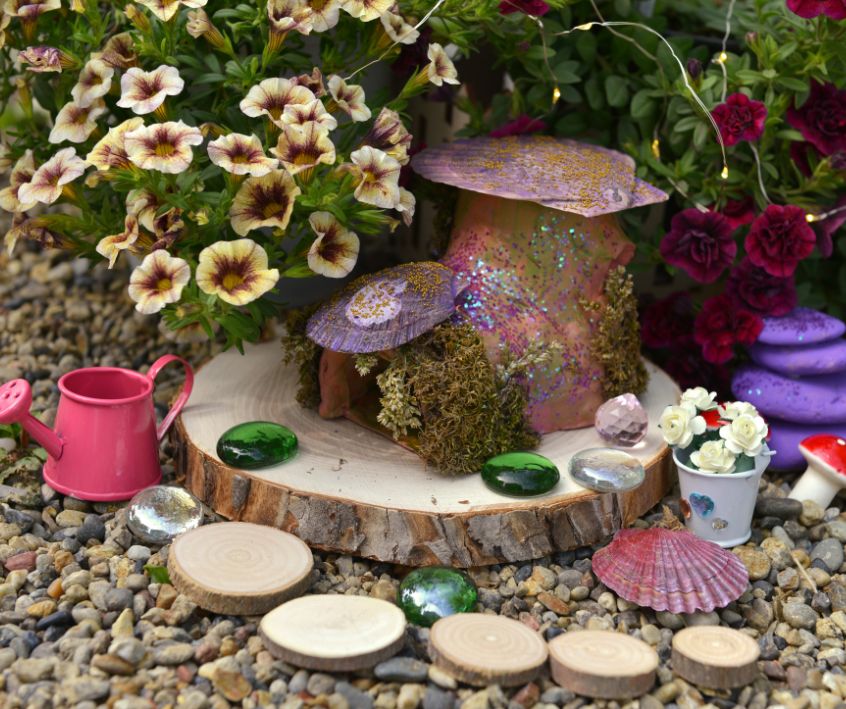
Ready to start building? Here are the essential pieces that will bring your miniature world to life.
1. Miniature Houses and Cottages
Every fairy needs a place to lay their head. The dwelling is often the focal point of the entire garden, anchoring the design and dictating the style of the surrounding accessories.
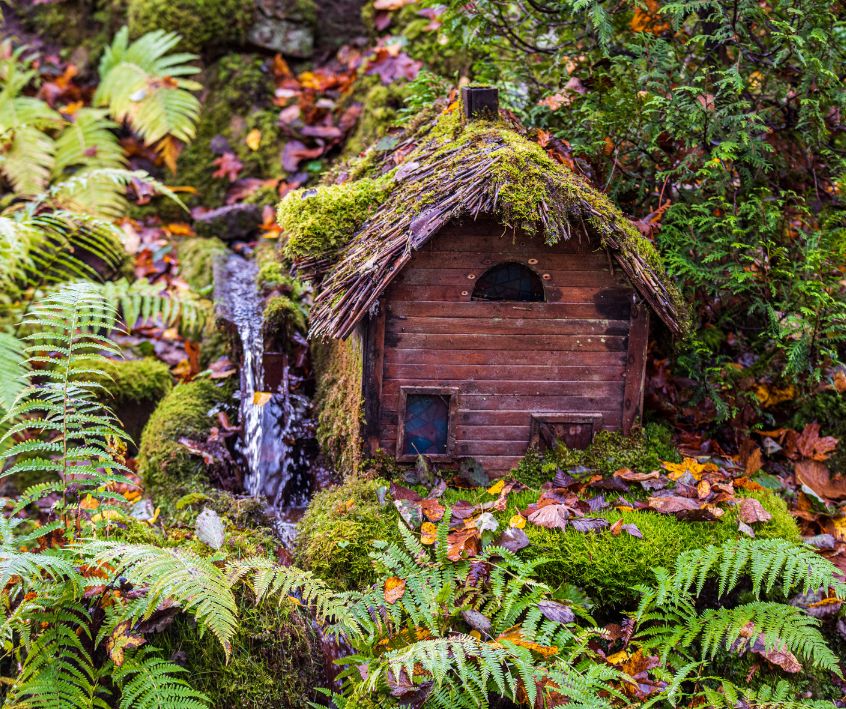
Options range from elaborate castles to humble hobbit holes. For a true enchanted forest look, opt for structures that appear to be made from natural materials found in the woods. Think gourd houses, cottages with pinecone shingles, or hollowed-out tree stumps.
Garneck 4Pcs Miniature Fairy Garden Houses
- Pro Tip: If you are placing your house directly on soil, create a small foundation using gravel or a flat stone. This prevents the bottom of the structure from rotting due to moisture and keeps it stable during watering.
2. Fairy Figurines
While some gardeners prefer to imply the presence of fairies without actually showing them (leaving it up to the imagination), adding figurines adds personality and life to the scene.
You can find fairies in all sorts of poses: reading books, watering plants, sleeping on mushrooms, or playing instruments.
Safari Ltd. Friendly Fairies Super – 10 Adorable Fairy Figurines
When selecting your residents, pay close attention to the quality of the paint and material. Resin is a durable choice that withstands rain and sun without fading too quickly.
3. Miniature Furniture
If your fairies are going to hang around, they will need somewhere to sit. Tiny furniture sets invite the viewer to imagine the daily lives of the garden’s inhabitants.
A mossy bistro set implies a tea party is about to happen, while a rocking chair on a porch suggests a quiet evening. Look for furniture made from twigs, twisted metal, or faux stone.
Skylety 12 Pieces Garden Furniture Ornaments
You can even create your own benches using flat stones and small pieces of driftwood for a sustainable, zero-cost option.
4. Water Features
Water adds a layer of tranquility and realism to any garden, regardless of size. In a fairy garden, a water feature can be a simple birdbath, a wishing well, or a meandering stream.
Since real water can get messy and attract mosquitoes in such a small vessel, many gardeners use creative alternatives.
Blue crushed glass, resin that cures hard and clear, or even small mirrors can simulate the look of water beautifully.
If you do use real water, remember to change it frequently to keep your miniature ecosystem healthy.
5. Pathways and Stepping Stones
How do your fairies get from their cottage to the garden gate? Pathways are essential for guiding the eye through the design.
They create a sense of journey and exploration. You can use fine gravel, sand, or tiny wood slices (often called “cookies”) to create a trail.
For a more mystical look, try using glow-in-the-dark pebbles. These absorb sunlight during the day and emit a soft, magical glow at night, illuminating the path for any nocturnal visitors.
6. Bridges
If you have included a water feature (real or faux) or a dry riverbed made of stones, a bridge is a non-negotiable accessory. It connects different parts of the garden and adds vertical interest.
Arched bridges are particularly lovely as they allow low-growing ground covers to spill underneath them.
Wooden bridges fit well with woodland themes, while stone bridges suit a more ancient, mystical aesthetic.
7. Plants and Greenery
While technically living elements rather than “accessories,” in a fairy garden, plants function as the decor. The goal is to choose plants that mimic full-sized trees and shrubs.
- Miniature Conifers: Great for acting as towering pine trees.
- Creeping Thyme: Perfect for a fragrant, walkable “lawn.”
- Irish Moss: Creates lush, soft mounds that look like rolling hills.
- Succulents: Rosette-shaped succulents can mimic oversized, exotic jungle flora.
When choosing plants, ensure they all have similar light and water requirements. Mixing a sun-loving succulent with a shade-loving fern is a recipe for struggle.
Miniature Forest Kit +Tiny Resin Animal
8. Decorative Stones and Gravel
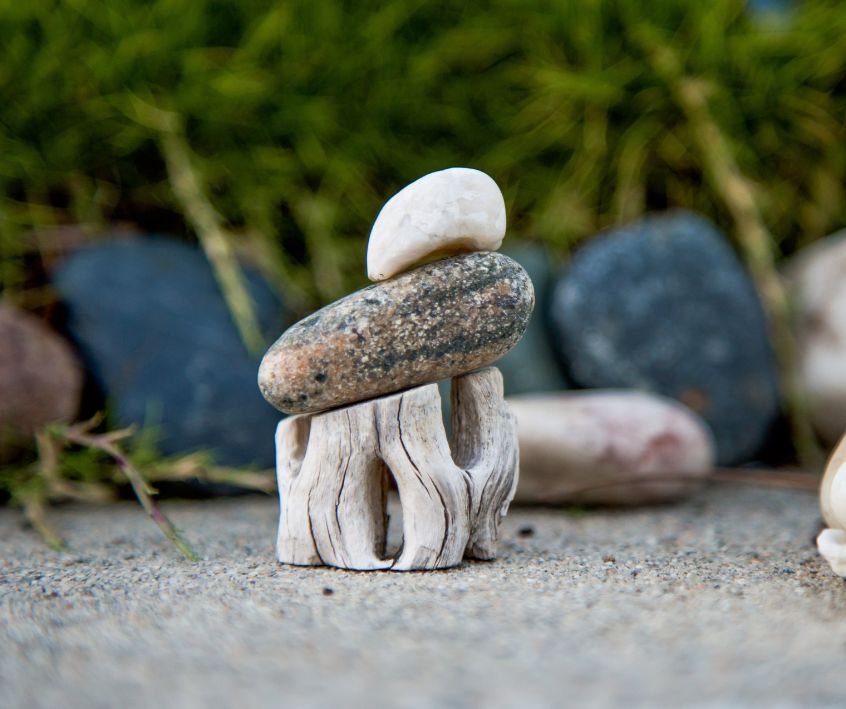
Stones are the unsung heroes of fairy gardening. Large stones can act as boulders or cliffs, adding drama and height variation to the landscape.
Medium stones can serve as seats or tables. Fine gravel is excellent for defining “patios” or base areas for houses.
Using river rocks or smooth pebbles adds texture and contrast against the softness of the moss and plants. Plus, stones are natural and permanent, meaning you won’t have to replace them every season.
9. Fairy Garden Tools
To make the garden feel inhabited, scatter a few “tools of the trade” around. A tiny wheelbarrow filled with moss, a miniature watering can, or a small shovel leaning against the cottage wall adds incredible realism.
It suggests that the fairies are diligent gardeners themselves, tending to their land just as you tend to yours.
G & F Rustic Fairy Garden Miniature Tools (Set of 4)
These micro-details are often what delights guests the most when they lean in for a closer look.
10. Lighting
The magic doesn’t have to end when the sun goes down. Lighting transforms your fairy garden into a nighttime spectacle.
Garden Statue and Fairy House with Solar Lights
Solar-powered fairy lights on thin copper wires can be wound around miniature trees or tucked into bushes. There are also miniature solar street lamps and lanterns designed specifically for these gardens.
Joomer Outdoor Solar Fairy String Lights, 2-Pack Total 80FT 240LED
Seeing tiny lights flickering in the darkness adds a cozy, welcoming atmosphere that truly feels enchanted.
11. Signage
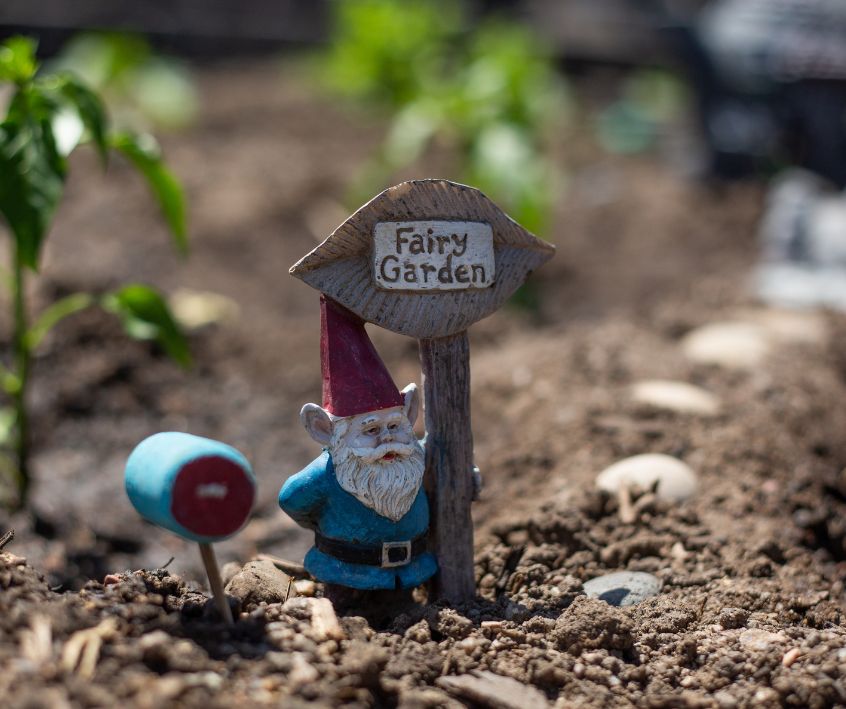
A little sign can add humor or context to your display. Whether it is a “Fairy Crossing” sign, a “Gnome Sweet Gnome” welcome mat, or tiny directional arrows pointing toward “The Enchanted Forest” or “Mermaid Lagoon,” signage adds narrative.
You can easily make these at home using popsicle sticks and a fine-point waterproof marker. It is a fun craft to do with kids and adds a personalized touch that you can’t buy in a store.
12. Themed Decorations
Finally, don’t forget the seasonal or themed items that keep the garden feeling fresh.
- Mushrooms/Toadstools: A classic staple of any fairy garden, adding a pop of color (usually red) and height.
- Animal Friends: Squirrels, bunnies, turtles, or birds that coexist with the fairies.
- Seasonal Items: Tiny pumpkins for autumn, miniature sleighs for winter, or pastel eggs for spring.
Changing these small items out with the seasons is a great way to keep your interest piqued and gives you a reason to refresh the soil and check on plant health throughout the year.
Ceramic Mushroom for Fairy Garden Decoration
Tips for Choosing Accessories
Selecting the right pieces goes beyond just picking what looks cute. To create a cohesive and thriving garden, keep these tips in mind:
Mind the Scale
Scale is the most important design principle in miniature gardening. If your house is 1:12 scale, but your chair is 1:24 scale, the visual illusion breaks.
Try to buy accessories that are roughly the same proportion. A good rule of thumb is to look at the size of the door on the fairy house. Does the fairy figurine look like it could fit through it?
Focus on Materials
Since these items will likely be outdoors, durability is key. Look for UV-resistant resin, sealed metal, or natural stone.
Avoid untreated wood, which will rot quickly in moist soil, and cheap plastics that will become brittle and crack after a season of sun exposure. Choosing long-lasting materials is also a more sustainable practice, reducing the waste of throwing away broken plastic trinkets every year.
Keep it Simple
It is tempting to buy every adorable accessory you see, but clutter is the enemy of design. Leave negative space for your plants to grow and breathe. A few well-placed, high-quality items make a stronger impact than a crowded collection of mismatched pieces.
Where to Buy Fairy Garden Accessories
Sourcing your items can be half the fun. Here are a few places to look:
- Local Nurseries and Garden Centers: Many independent nurseries now have dedicated fairy garden sections. Shopping here supports local business, and you can often see the items paired with plants for inspiration.
- Craft Stores: Places like Michaels or Hobby Lobby often carry extensive lines of miniatures, especially in their floral or seasonal departments.
- Specialty Online Retailers: Websites dedicated solely to miniature gardening offer the widest selection of unique, high-quality items that you won’t find in big-box stores.
- Nature: The most eco-friendly and affordable store is your own backyard. Acorn caps can become bowls; twigs can become fences; bark can become roofing. Scavenging for materials encourages you to look at nature with a creative eye.
Creating Your Own Magic
Building a fairy garden is a journey of imagination. It allows you to slow down, get your hands dirty, and create a tiny sanctuary that brings joy every time you pass by.
By incorporating these 12 must-have accessories, you will be well on your way to designing an enchanted forest that feels alive and welcoming.
Remember, there are no strict rules in fairy gardening. If you want a dinosaur in your forest or a spaceship next to the cottage, go for it! The most important part is that it brings you happiness. So, gather your supplies, summon your inner architect, and start building a world where magic is real.
Visit the Garden Resources page for supplies and inspiration. Don’t forget to subscribe to the Calendula’s Garden Newsletter for more gardening tips.
Calendula’s Garden is reader supported. When you buy through links on our site, we may earn an affiliate commission. As an Amazon Associate, I earn from qualifying purchases. For more information, view our Disclaimer page. Thank you!