10 Small Home Garden Ideas That Maximize Your Space
Calendula's Garden is reader suported This post may contain affiliate links, more on our Disclaimer page. Thank you!
Have you ever looked at a tiny balcony or a small patch of grass and thought, “There’s no way I can grow anything here”? You aren’t alone.
Many aspiring gardeners feel limited by square footage, assuming that a bountiful harvest requires acres of land. But the truth is, you don’t need a sprawling farm to grow your own food.
In fact, some of the most productive and beautiful gardens I have created while living in small apartments were tucked into corners, hung from ceilings, or perched on windowsills.
Small space gardening isn’t just a compromise; it’s a creative opportunity. For busy, eco-conscious individuals, a compact garden is often more manageable and sustainable than a large one.
It allows you to control your soil quality, reduce water waste, and grow organic produce right at your fingertips. Whether you want to boost your family’s health with chemical-free greens or create a pollinator paradise for local bees, these ten ideas will help you transform your limited space into a thriving green oasis.
1. Grow Up with Vertical Gardening
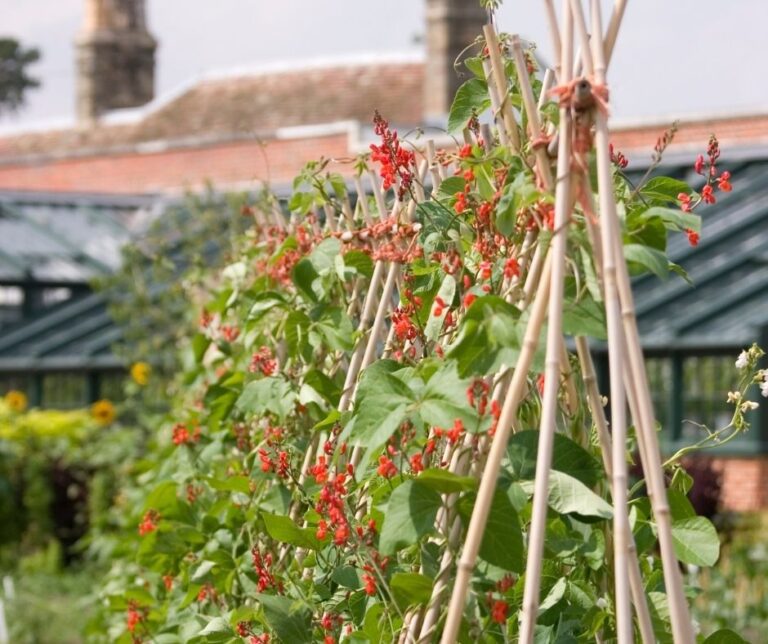
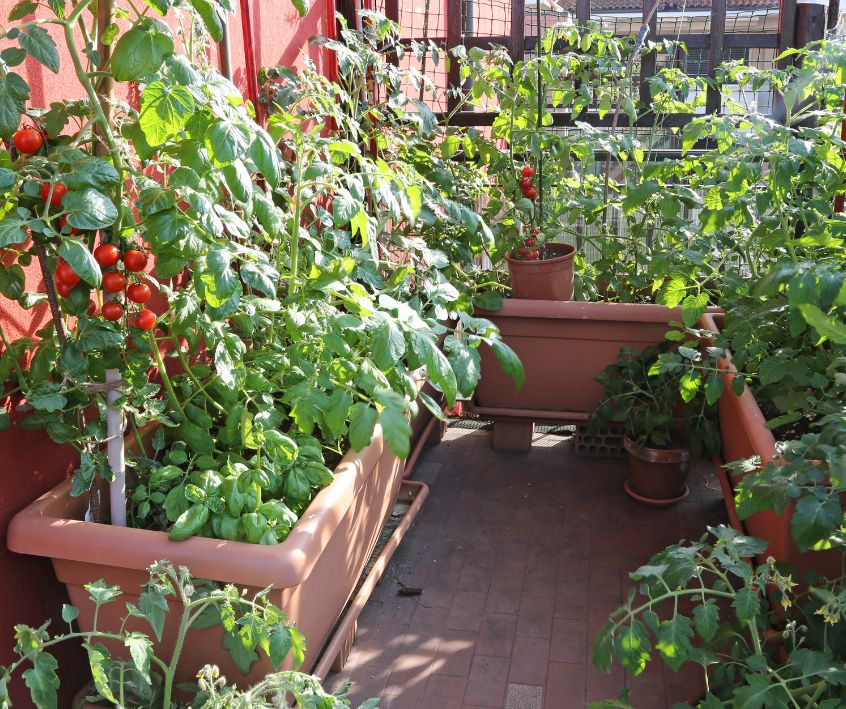
When you can’t grow out, the only way is up. Vertical gardening is the ultimate space-saving hack for urban dwellers and small homeowners. By utilizing vertical planes, like fences, walls, or trellises, you dramatically increase your planting area without sacrificing precious floor space.
This method is particularly excellent for vining plants. Vegetables like pole beans, peas, cucumbers, and even small varieties of squash love to climb. You can install a simple trellis or use a repurposed wooden pallet to create a living wall.
Creative Trellis Ideas for a Stunning Garden
Not only does this maximize yield, but it also improves air circulation around the foliage, which helps prevent fungal diseases. Plus, harvesting beans at eye level is much easier on your back than bending over!
Where to find seeds, plants, and supplies:
2. Master the Art of Container Gardening
If you don’t have access to in-ground soil, containers are your best friend. Container gardening offers incredible flexibility, allowing you to move plants around to chase the sun or protect them from harsh weather.
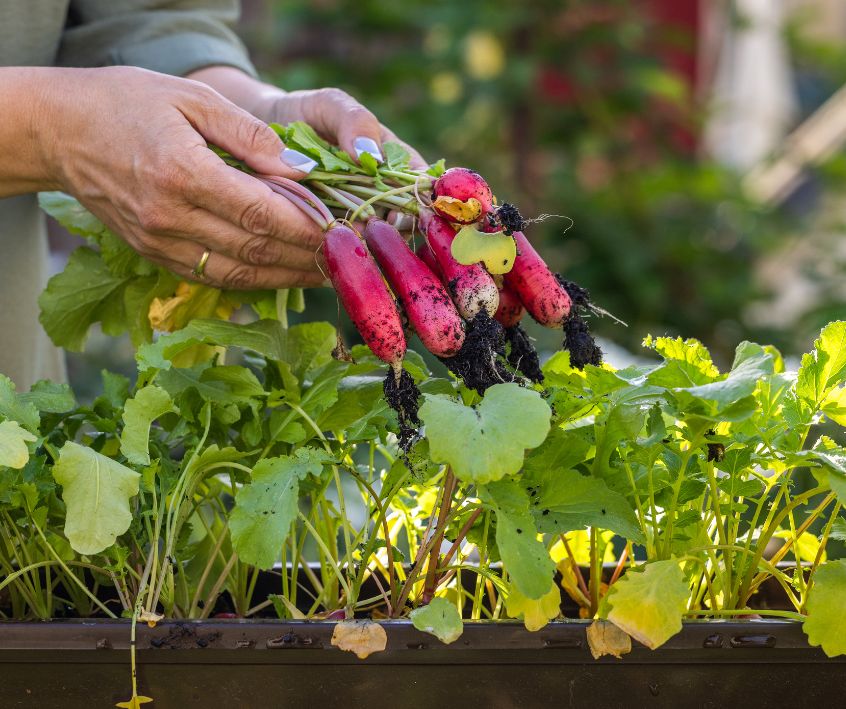
Almost anything can be grown in a pot if it’s large enough and has drainage holes. For beginners, start with easy crops like salad greens, radishes, or cherry tomatoes. Since pots dry out faster than the ground, pay close attention to watering.
6 Inch Terracotta & Clay Pots for Plants with Saucers
To keep things eco-friendly, look for pots made from recycled materials or terracotta rather than cheap plastics. You can even upcycle household items. An old colander makes a charming planter for shallow-rooted succulents or lettuces.
3. Elevate Your Greenery with Hanging Baskets
Don’t let your ceiling or porch overhang go to waste. Hanging baskets add a lush, cascading element to your garden and utilize “dead space” that would otherwise remain empty. While often associated with flowers like petunias, hanging baskets are surprisingly productive for edibles.
Trailing varieties of strawberries (often called “everbearing”) do beautifully in baskets, keeping the fruit away from ground pests like slugs.
How to Create a Quick Privacy Screen with Hanging Baskets
You can also grow tumbling varieties of cherry tomatoes or herbs like trailing rosemary and thyme. Just remember that hanging baskets are exposed to wind on all sides and will need frequent watering, especially during the heat of summer.
4. Build Raised Beds for Soil Control
If you have a small patch of yard but the soil is poor or compacted, raised beds are the perfect solution. A small 4×4 foot raised bed is manageable for a beginner and can produce a surprising amount of food.
The biggest advantage here is soil quality. You fill the bed with a perfect blend of compost and organic soil, giving your plants a nutrient-rich start that native ground soil might not provide.
How to Choose the Best Raised Garden Bed
This method also warms up faster in the spring, allowing for an earlier planting season. For an eco-friendly approach, construct your beds using untreated, rot-resistant wood like cedar, rather than chemically treated lumber.
5. Cultivate a Kitchen Herb Garden
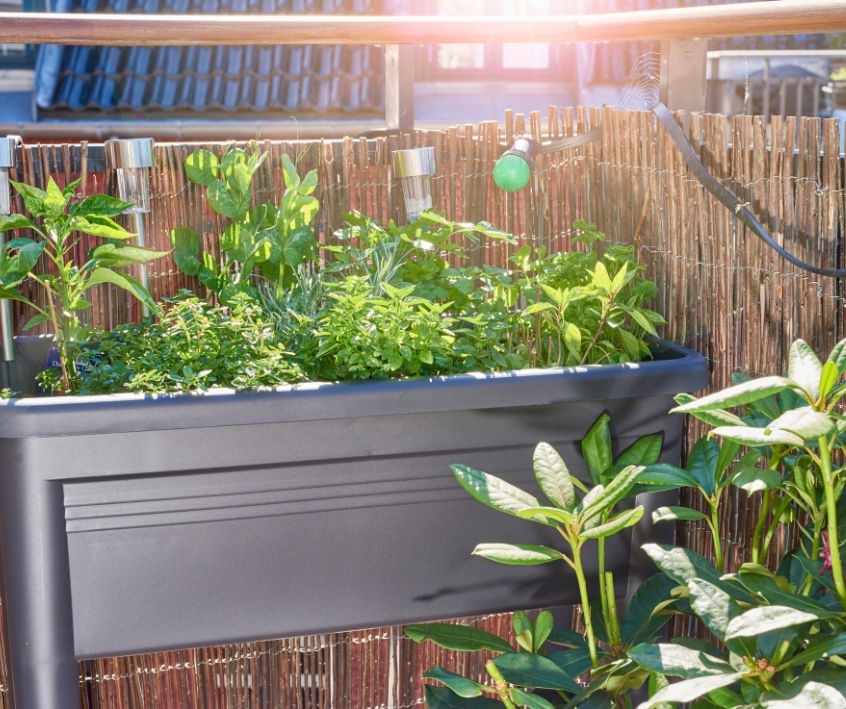
For the health-conscious cook, nothing beats the flavor of fresh herbs. Fortunately, herbs are among the most space-efficient plants you can grow. A dedicated herb garden can fit into a very small footprint. Even a vertical planter or a cluster of small pots near the kitchen door.
Greenstalk Large 5 Tier Vertical Garden Planter with Internal Watering System
Perennial herbs like sage, thyme, chives, and oregano will come back year after year, providing an excellent return on investment. Basil and cilantro are annuals but grow quickly from seed.
How to Grow Your Own Flavorful Herbs de Provence
Having these organic flavor boosters on hand encourages healthier cooking and reduces the plastic waste associated with buying packaged herbs at the grocery store.
6. Maximize Your Balcony
A balcony can be a micro-climate of productivity. The key to balcony gardening is understanding your light and wind exposure. If you are on a high floor, wind can dry out plants quickly, so you may need windbreaks or hardy plants.
Utilize railing planters to save floor space. These straddle the balcony railing and are perfect for flowers to attract pollinators or low-growing vegetables.
Metal Hanging Flower Pots for Railing Fence Outdoor Planter
If your lease allows, install hooks for hanging plants or shelving units to stack your pots vertically. Transform your balcony into a retreat where you can enjoy your morning coffee surrounded by nature.
7. Utilize Your Windowsills
No outdoor space? No problem. A sunny, south-facing windowsill is prime real estate for growing. This is often the gateway for many people into the world of gardening.
Microgreens and sprouts are fantastic candidates for windowsills. They are packed with nutrients, ready to harvest in just a week or two, and require very little soil.
How To Start Growing Delicious Microgreens
You can also grow small chili pepper plants or loose-leaf lettuce. It’s a wonderful way to bring photosynthesis into your home, improving indoor air quality and mental well-being.
8. Practice Succession Planting
Maximizing space isn’t just about where you plant; it’s about when you plant. Succession planting is a technique where you plant a new crop as soon as the previous one is harvested, keeping your soil active throughout the growing season.
For example, you might start the spring with cool-weather crops like spinach or peas. Once the summer heat sets in and those plants fade, pull them out and plant heat-loving peppers or bush beans.
Grow More, Waste Less: Mastering Succession Planting in Your Garden
As autumn approaches, you can replace those with kale or carrots. This strategy ensures you are getting the most food possible out of a single square foot of soil.
9. Try Companion Planting
In a small garden, biodiversity is key to keeping pests away without chemicals. Companion planting involves placing different species close together so they can benefit one another. It’s nature’s way of pest control and fertilization.
A classic example is planting marigolds near your tomatoes. The strong scent of marigolds deters nematodes and other pests that love snacking on tomato plants.
Carrots Love Tomatoes: Secrets of Companion Planting for Successful Gardening by Louise Riotte is my favorite companion planting guide.
Similarly, planting basil near peppers is said to improve their flavor and repel unwanted insects. By mixing flowers and vegetables, you attract beneficial insects and pollinators, creating a balanced, healthy mini-ecosystem.
10. Choose Dwarf and Bush Varieties
Plant breeders have developed incredible varieties of vegetables specifically designed for small spaces. When buying seeds or transplants, look for keywords like “bush,” “dwarf,” “patio,” or “compact.”
Standard zucchini plants can take up huge amounts of space, but a bush variety stays contained. You can find dwarf fruit trees that grow happily in large pots, compact blueberry bushes, and bush beans that don’t require trellising.
Choosing the right genetics for your space prevents your garden from becoming an unruly jungle and ensures your plants have enough room to thrive.
Start Small, Grow Big
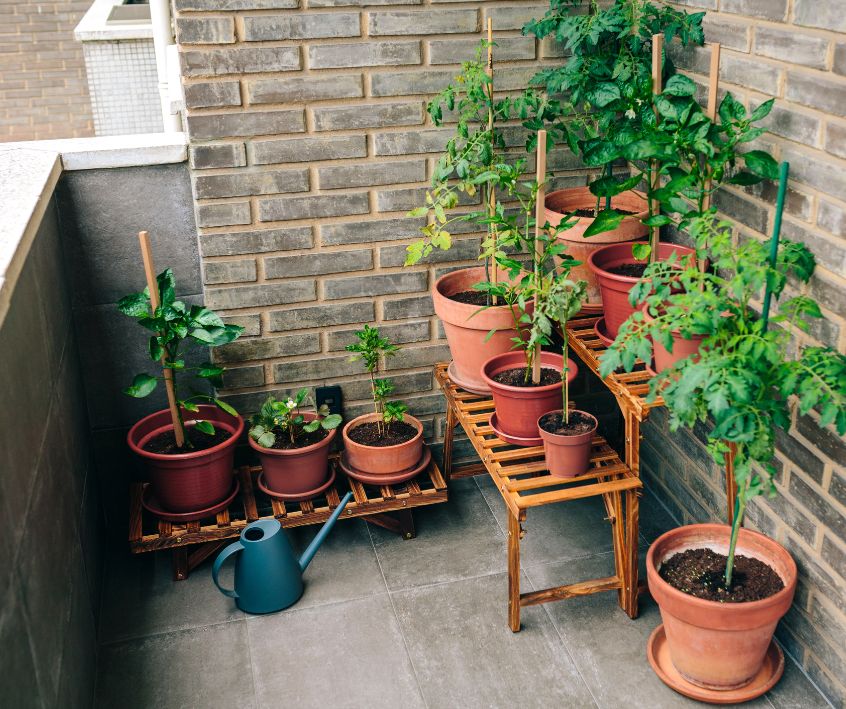
Creating a home garden, no matter the size, is a step toward a more sustainable and healthy lifestyle. It connects you to the seasons, reduces your carbon footprint, and puts fresh, organic food on your table.
Don’t let a lack of space deter you. Start with just one or two of these ideas. Maybe a basil plant on the windowsill or a tomato plant in a bucket on the balcony.
Gardening is a journey of learning and patience. As you watch your first seeds sprout, you’ll realize that even the smallest space holds the potential for immense growth.
Visit the Garden Resources page for supplies and inspiration. Don’t forget to subscribe to the Calendula’s Garden Newsletter for more gardening tips.
Calendula’s Garden is reader supported. When you buy through links on our site, we may earn an affiliate commission. As an Amazon Associate, I earn from qualifying purchases. For more information, view our Disclaimer page. Thank you!