10 Creative Ways to Display Indoor Plants
Calendula's Garden is reader suported This post may contain affiliate links, more on our Disclaimer page. Thank you!
Bringing plants into your home does more than just add a splash of green to your living space. Indoor plants purify the air, boost your mood, and create a calming atmosphere that makes any room feel more alive.
But let’s be honest. Simply placing a few potted plants on your coffee table doesn’t always create the stunning botanical oasis you’re dreaming of.
The secret lies in how you display them. Creative plant displays can turn even the smallest collection into a striking focal point that reflects your personality and enhances your home’s aesthetic.
Whether you’re working with a tiny apartment or a spacious house, there are countless ways to showcase your leafy friends that go far beyond traditional pots on surfaces.
From floating shelves that create vertical gardens to repurposed vintage finds that add character, the right display method can make your plants the star of any room. Ready to transform your space into a green sanctuary?
Let’s explore ten creative approaches that will have your friends asking where you learned to style plants like a pro.
Floating Shelves: Elevate Your Green Game
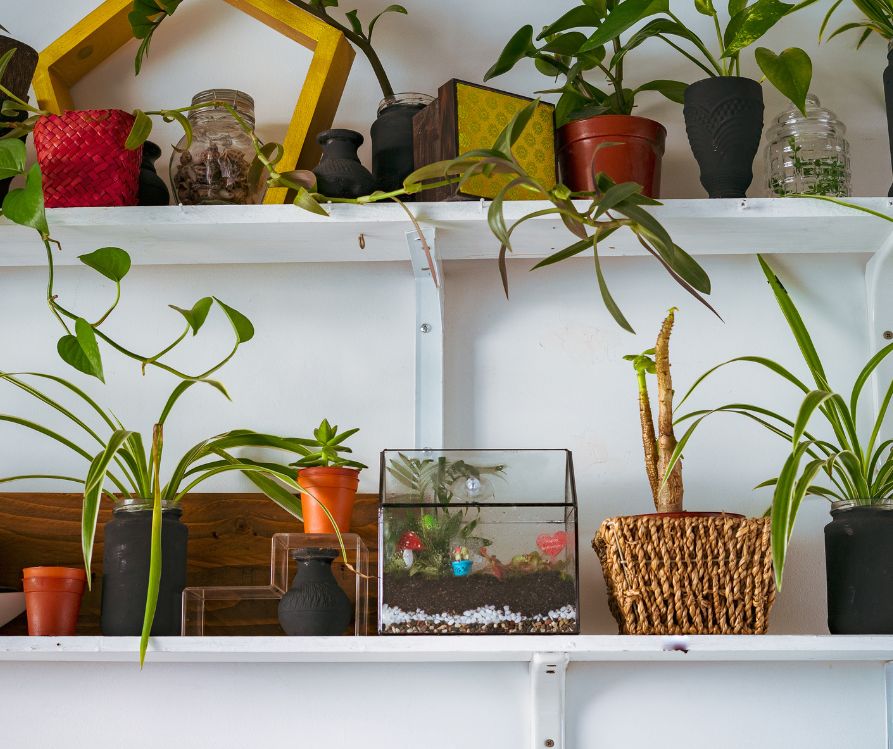
Floating shelves are a game-changer for plant parents working with limited floor space. These seemingly weightless platforms create layers of greenery that draw the eye upward, making your room feel larger and more dynamic.
The beauty of floating shelves lies in their versatility. You can install them at different heights to create a cascading effect that mimics nature’s organic patterns.
When selecting plants for floating shelves, consider both size and growth habits. Trailing plants like pothos or string of pearls look stunning as they spill over the edges, creating natural curtains of foliage.
For upper shelves, choose smaller plants that won’t overwhelm the display, such as small snake plants or ZZ plants that can handle lower light conditions.
Installation is straightforward, but always ensure your shelves can support the weight of both plants and water. A good rule of thumb is to test with books first. If the shelf holds the equivalent weight in books, it should handle your plants just fine.
Hanging Planters: Suspend Disbelief and Plants
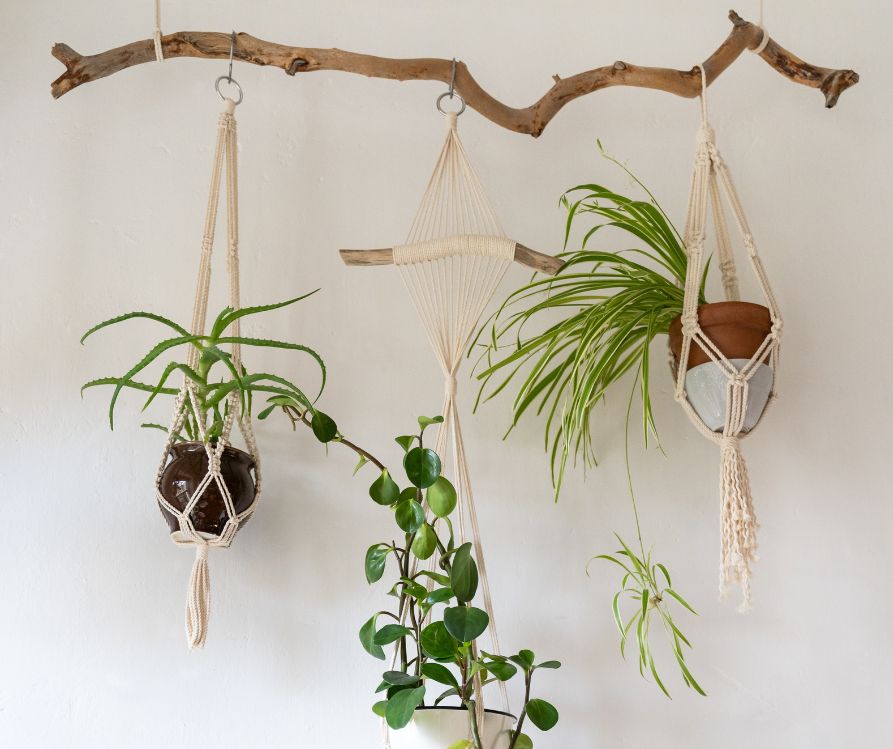
Nothing adds drama to a room quite like hanging planters suspended at various heights. Macramé plant hangers have made a stylish comeback, offering a bohemian vibe that works beautifully in bedrooms, living rooms, and even bathrooms with adequate light.
The key to successful hanging displays is choosing the right plants and locations. Trailing varieties like spider plants, string of hearts, or English ivy create stunning vertical gardens that don’t compete for surface space.
Position hanging planters near windows where they can catch natural light, but be mindful of foot traffic areas.
Try mixing different hanger styles and lengths to create visual interest. A combination of macramé, metal, and ceramic hanging planters at staggered heights creates depth and prevents your display from looking too uniform.
Just remember to use ceiling hooks rated for the weight of your planted containers, safety first, style second.
Wall-Mounted Planters: Create Your Living Art Gallery
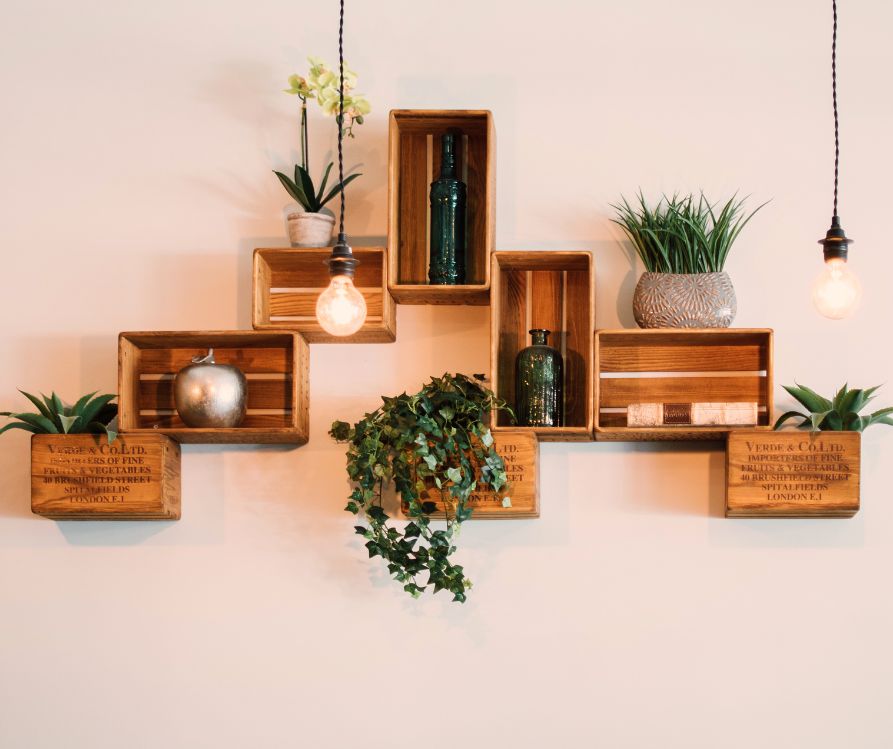
Wall-mounted planters transform blank walls into living artwork that changes with the seasons.
This approach works particularly well in smaller spaces where floor real estate is precious. You can create everything from a single statement piece to an entire green wall that becomes the room’s focal point.
Modular wall-mounting systems are particularly clever, allowing you to rearrange your display as plants grow or your style evolves. Look for planters with built-in water reservoirs or drainage systems to protect your walls from moisture damage.
When planning your wall garden, consider the natural light patterns in your room. Group sun-loving plants like succulents near bright windows, while shade-tolerant varieties can thrive in areas with indirect light.
This thoughtful placement ensures your living wall stays lush and healthy year-round.
Terrariums: Miniature Worlds in Glass
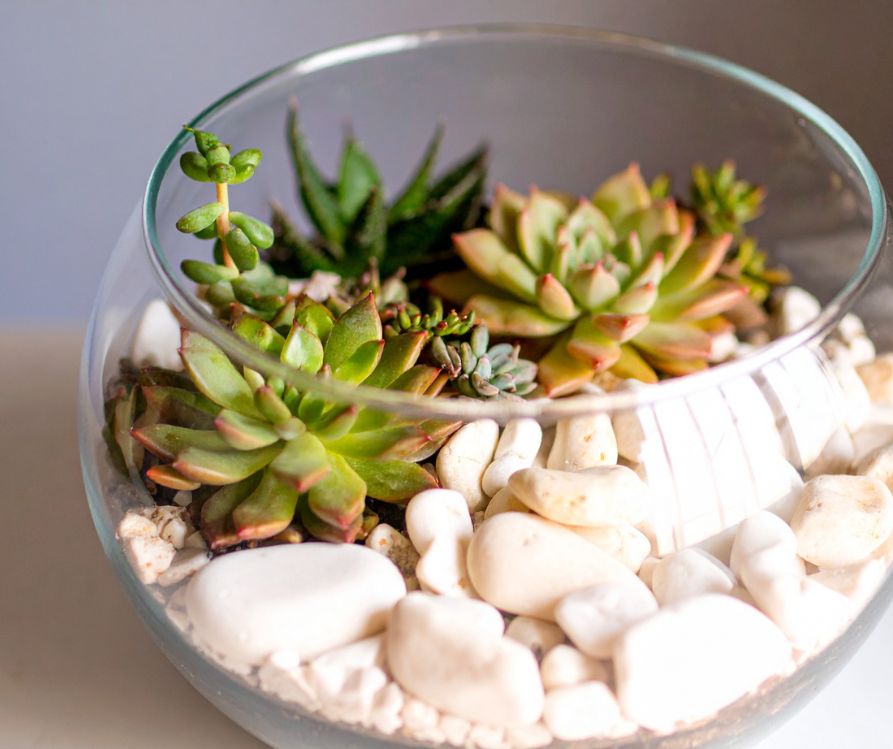
Terrariums offer a completely different aesthetic. Think miniature landscapes captured under glass.
These enclosed ecosystems work particularly well for people who travel frequently or tend to overwater their plants, as they create a self-sustaining environment that requires minimal maintenance.
Creating your own terrarium is surprisingly simple and incredibly rewarding. Start with a clear glass container.
Anything from a large fishbowl to a geometric glass vessel works beautifully. Layer drainage materials like small pebbles, add activated charcoal to prevent odors, then top with an appropriate soil mix.
Choose plants that thrive in humid conditions, such as small ferns, moss, or baby tears.
Terrariums work wonderfully as centerpieces, bookshelf accents, or grouped together on side tables. Their enclosed nature means they can thrive in lower light conditions, making them perfect for those tricky spots where other plants might struggle.
Plant Stands: Elevate with Style
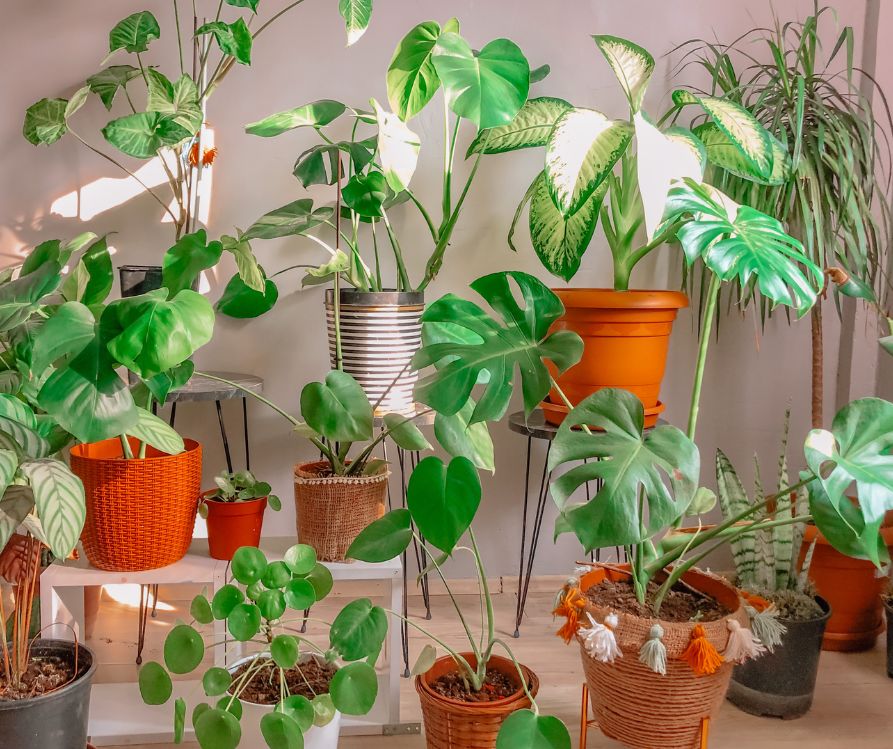
Plant stands are like pedestals for your green friends, giving them the prominence they deserve while adding architectural interest to your space.
The variety available today means you can find stands that complement any décor style, from sleek modern metal designs to warm wooden pieces that add organic texture.
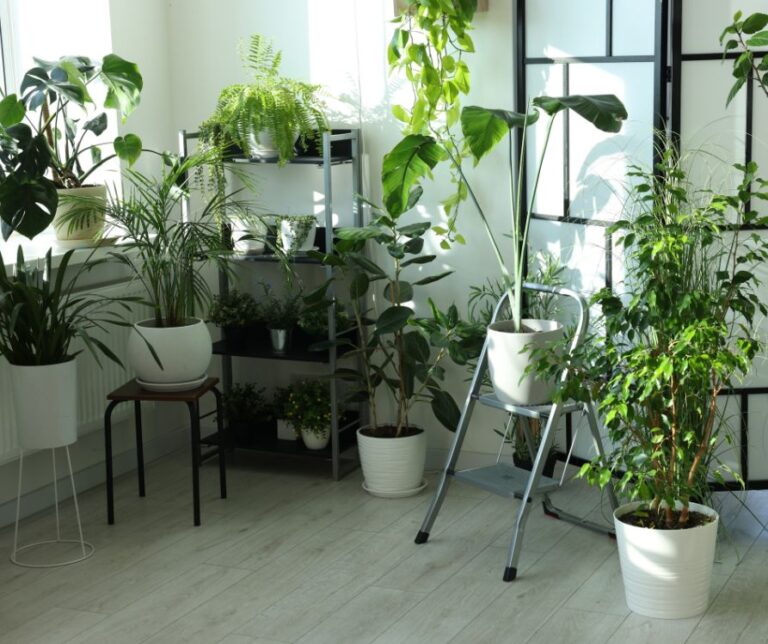
Multi-tiered plant stands are particularly effective for creating dramatic displays with varying heights. These stepped arrangements allow you to showcase multiple plants while ensuring each one receives adequate light.
Consider the mature size of your plants when arranging them. You don’t want fast-growing varieties overwhelming their neighbors.
Don’t overlook vintage or antique stands, which can add character and become conversation pieces in their own right. Mid-century modern stands, Victorian plant pedestals, or rustic wooden stands all bring their own personality to your plant displays.
Repurposed Items: Give Old Things New Life
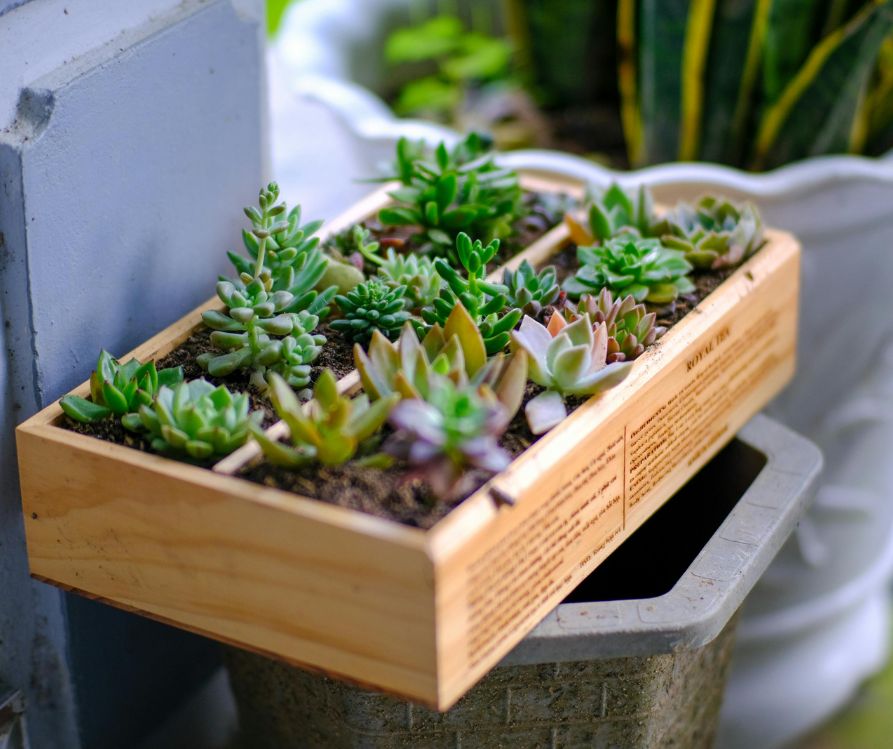
Some of the most charming plant displays come from repurposed household items that get a second chance at life.
Old colanders make excellent planters for herbs. Their built-in drainage is perfect for plants that don’t like wet feet. Vintage tin cans, painted and decorated, create charming containers for small succulents or herb gardens.
Wooden crates can be lined with plastic and transformed into rustic planters perfect for larger plants or grouped arrangements.
Old ladders, more on this shortly, boots, teapots, and even worn-out handbags can all find new purpose as unique planters that add personality to your space.
The key to successful repurposing is ensuring proper drainage and choosing containers that complement rather than compete with your plants. A beautifully planted vintage teapot becomes a charming accent, but the plants should still be the star of the show.
Grouped Arrangements: The Power of Plant Communities
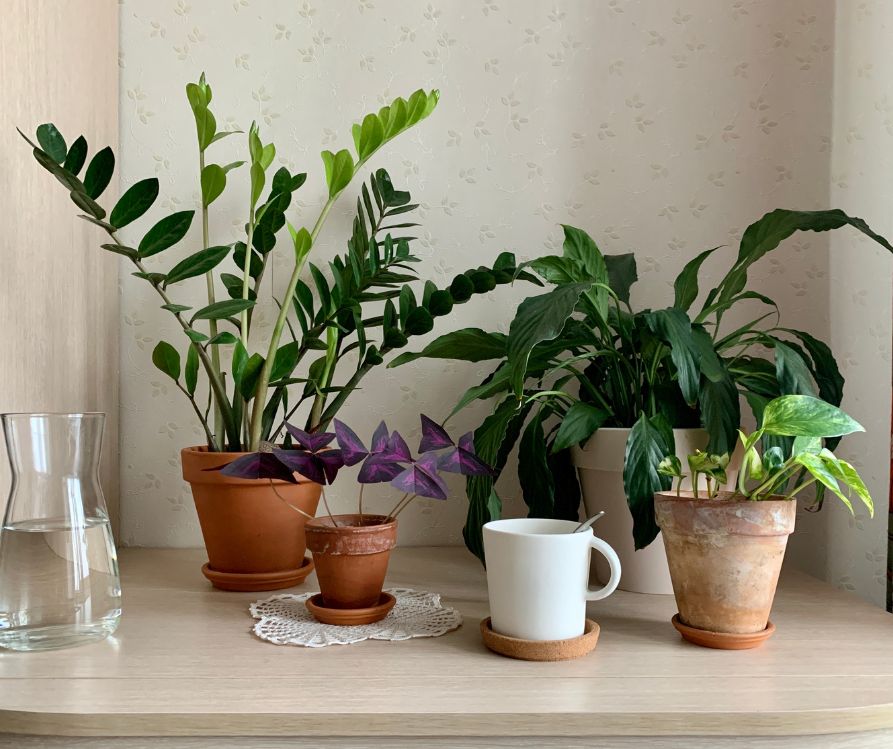
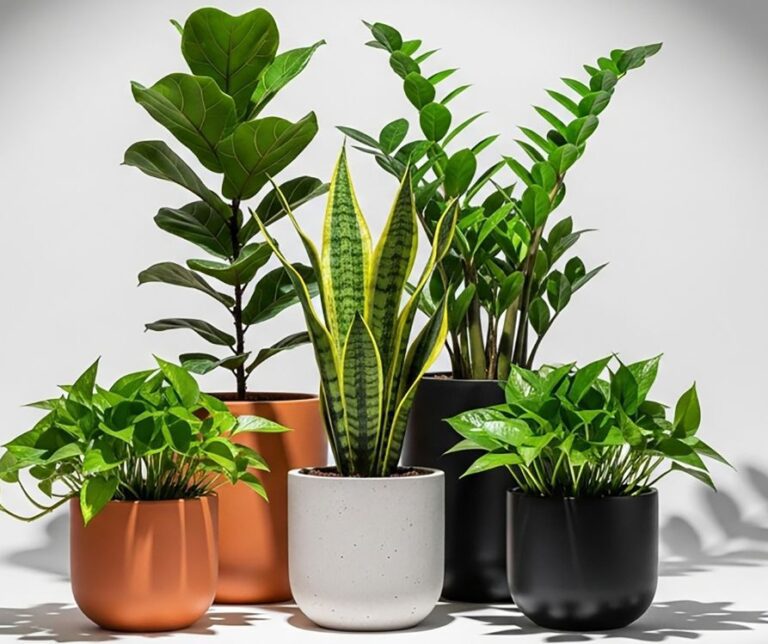
Creating grouped plant arrangements mimics how plants naturally grow in the wild. In communities where they support and complement each other. The secret to successful groupings lies in varying heights, textures, and pot styles while maintaining some unifying elements.
Start with the “thriller, filler, spiller” principle borrowed from container gardening. Choose one dramatic plant as your focal point (thriller), surround it with medium-sized plants that fill the space (fillers), and add trailing plants that spill over edges (spillers).
This creates natural-looking arrangements that feel intentional rather than random.
Consider grouping plants with similar care requirements together. This makes maintenance easier and ensures all plants in the group thrive. Desert plants love being grouped together, as do tropical varieties that enjoy higher humidity.
Ladders and Crates: Rustic Charm Meets Function
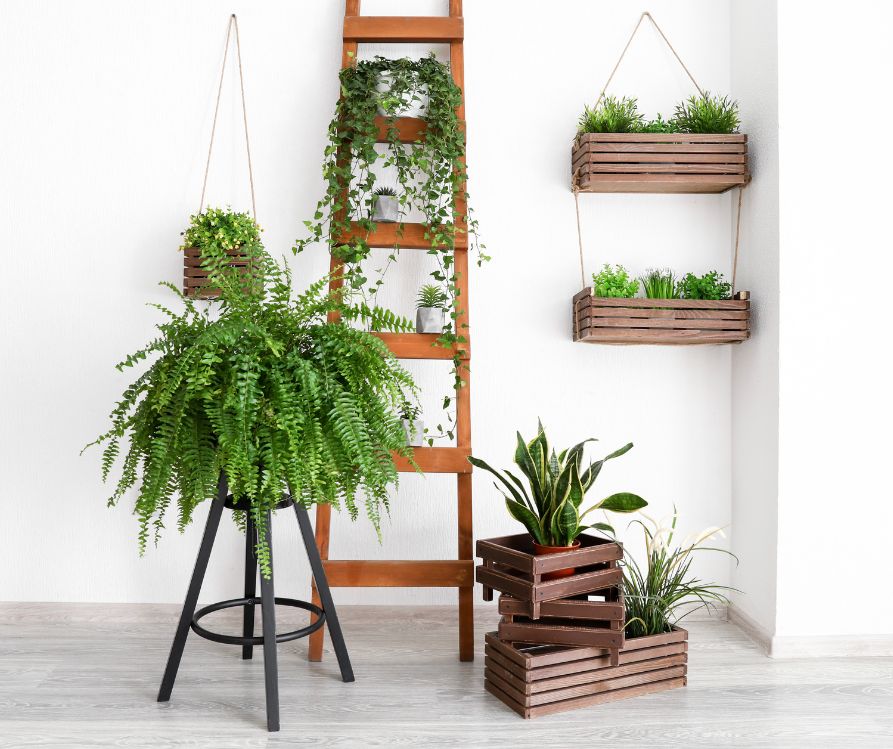
Wooden ladders and vintage crates bring instant rustic charm to any space while providing multiple levels for plant display. An old wooden ladder leaning against a wall becomes a multi-tiered plant stand that adds vertical interest without taking up much floor space.
Crates can be stacked and arranged to create custom shelving units that can be easily rearranged as your plant collection grows.
Look for weathered wood that adds character, or paint new crates to match your décor. The rustic aesthetic works particularly well with casual, farmhouse, or bohemian décor styles.
These displays work beautifully both indoors and on covered porches or patios, bridging the gap between indoor and outdoor living spaces. The natural wood complements plants beautifully and ages gracefully, developing more character over time.
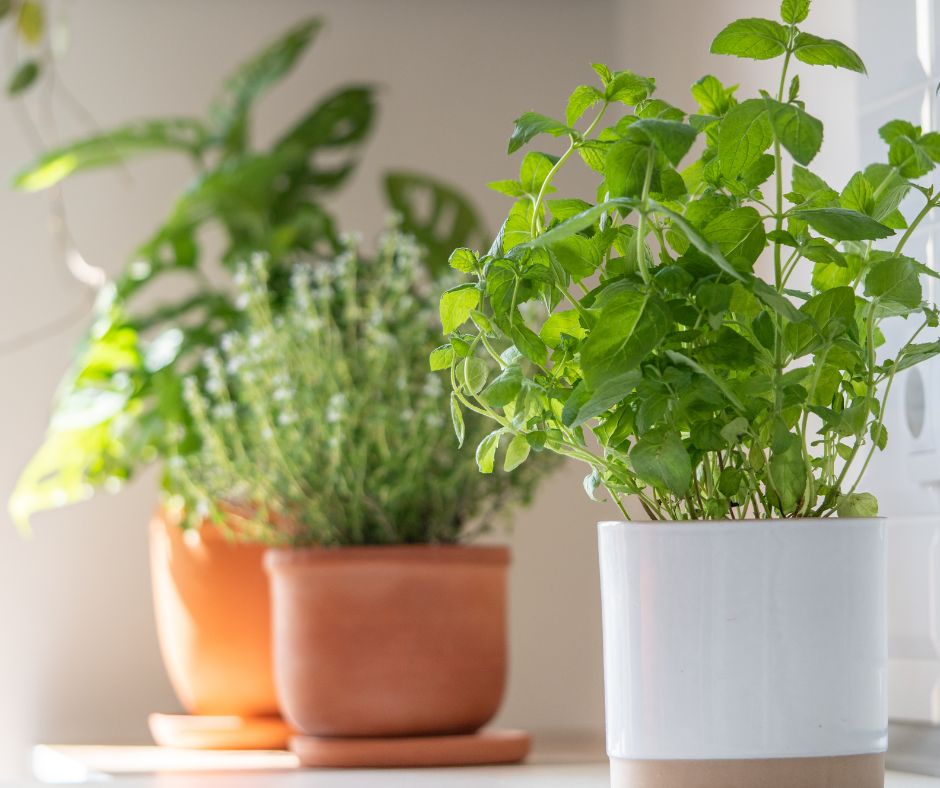
Windowsill Gardens: Maximize Your Light
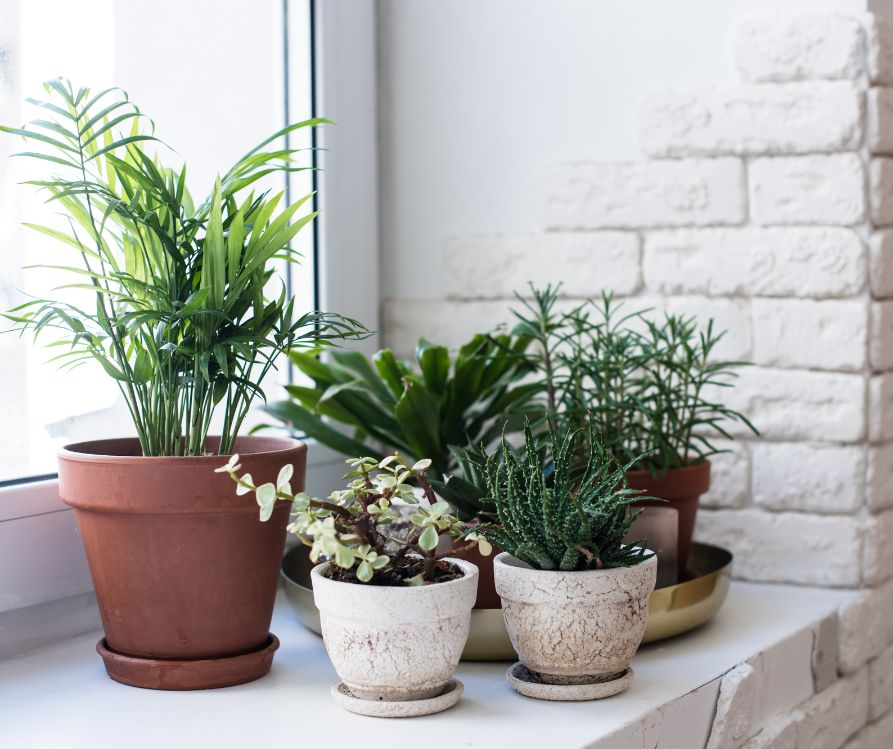
Don’t underestimate the humble windowsill. It’s prime real estate for plants that crave bright light. Transform your windowsills into miniature gardens by selecting plants that match your window’s light conditions and arranging them thoughtfully.
South-facing windows can handle sun-loving plants like succulents, herbs, and small flowering plants. North-facing windows work well for low-light plants like pothos or ZZ plants.
Use matching saucers or cachepots to create a cohesive look, or mix different containers for an eclectic vibe.
Tiered plant stands designed specifically for windowsills can multiply your growing space, creating layers of plants that don’t block light from reaching those behind them. This approach turns any window into a botanical display that provides beauty from both inside and outside your home.
Transform Your Space Into a Green Paradise
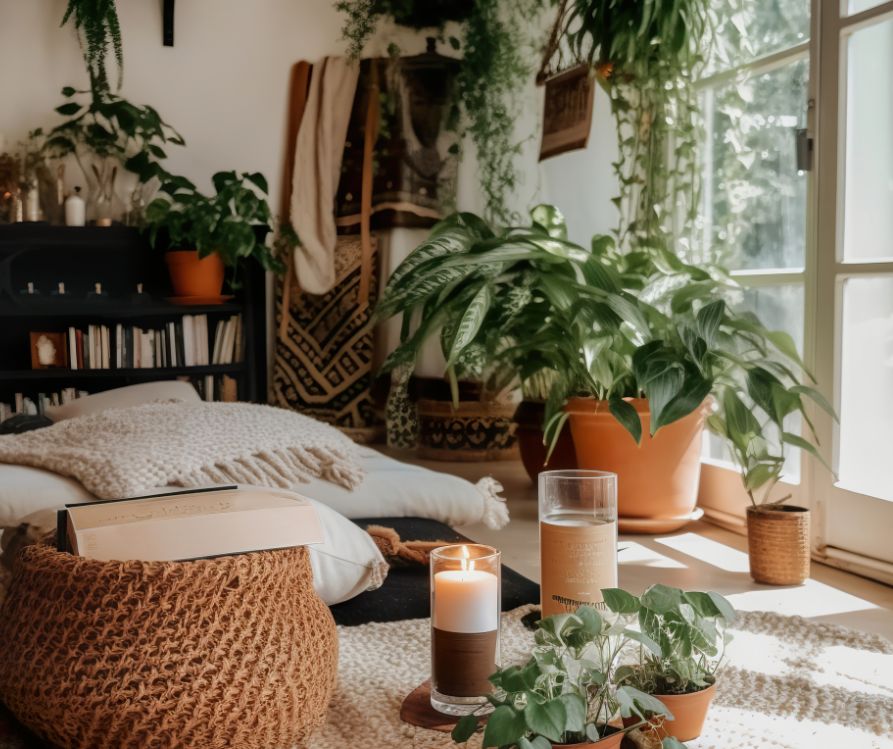
Creative plant displays do more than just house your plants. They transform your living space into a personal sanctuary that reflects your style and connects you with nature.
Each of these ten approaches offers unique benefits, whether you’re working with limited space, specific lighting conditions, or particular aesthetic preferences.
The best plant displays feel intentional yet natural, showcasing your plants while complementing your home’s existing style.
Don’t be afraid to experiment with different arrangements, mix and match approaches, or let your displays evolve as your plants grow and your tastes change.
Start with one or two ideas that speak to you, then build your botanical oasis gradually. Your plants and your well-being will thank you for creating such thoughtful, beautiful displays that bring the calming presence of nature into your daily life.
Visit the Garden Resources page for supplies and inspiration. Don’t forget to subscribe to the Calendula’s Garden Newsletter for more gardening tips.
Calendula’s Garden is reader supported. When you buy through links on our site, we may earn an affiliate commission. As an Amazon Associate, I earn from qualifying purchases. For more information, view our Disclaimer page. Thank you!