10 Creative Cottage Garden Design Solutions for Small Spaces
Calendula's Garden is reader suported This post may contain affiliate links, more on our Disclaimer page. Thank you!
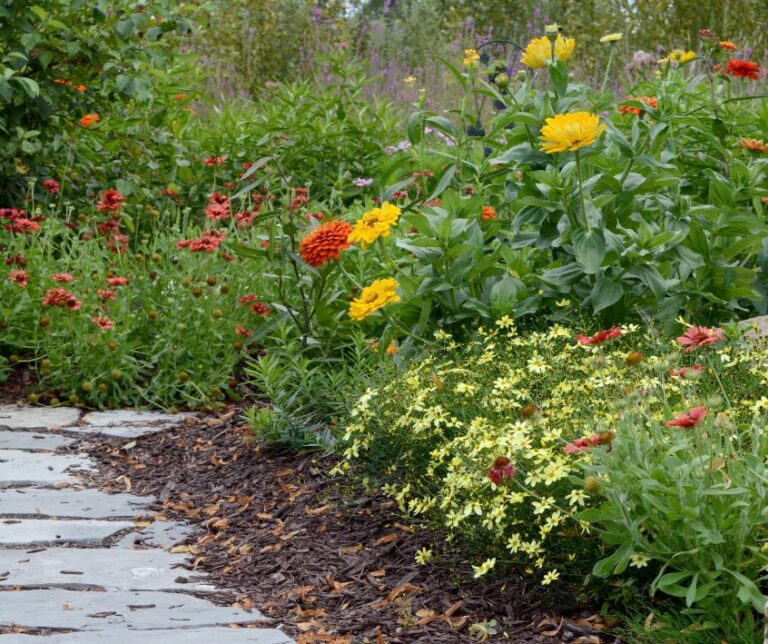
Healthy cottage gardens are bursting with color, humming with bees, and spilling over with a delightful mix of flowers and edibles.
But for many of us living in cities or suburbs, the sprawling English countryside aesthetic feels a bit out of reach.
If you’re looking at a tiny balcony, a postage-stamp patio, or a narrow side yard, you might think, “I just don’t have the room.”
Here’s the wonderful news: cottage gardens aren’t defined by acreage. They are defined by their spirit.
This style of gardening is, at its heart, a rebellious rejection of rigid rules and manicured lawns. It’s about abundance, charm, and working with nature rather than trying to control it.
Adapting this lush, romantic style to a small footprint isn’t just possible; it’s often more rewarding. A condensed space allows you to create a jewel-box effect where every plant counts and the sensory experience is intensified.
Whether you are a total beginner or looking to make your current patch a little wilder, here is how to bring the magic of the cottage garden to your small space.
Understanding Cottage Garden Principles
Before we dive into the specific solutions, let’s quickly unpack what makes a garden “cottage style.” Originally, these gardens were practical spaces for rural laborers.
They needed to grow food, herbs for medicine, and flowers for pollinators, all crammed into small plots near their homes.
Today, we can borrow these principles to create sustainable, biodiversity-rich havens:
- Informal Design: Forget straight lines and symmetry. Curves, overflowing borders, and a sense of “organized chaos” are key.
- Dense Planting: Soil is rarely visible. Plants are packed closely together, which actually helps suppress weeds and retain moisture. A win for sustainability!
- Functionality: It’s not just about looking pretty. Edibles (vegetables, herbs, fruits) mix freely with ornamentals.
- Pollinator Friendly: Because traditional cottage gardens rely on heirloom flowers and open blooms, they are absolute magnets for bees, butterflies, and beneficial insects.
This style is inherently adaptable. It doesn’t matter if your “plot” is a collection of pots on a deck or a 5-foot strip of earth. The goal is to create a feeling of lushness and life.
Where to find seeds, plants, and supplies:
10 Creative Solutions for Small Cottage Gardens
Ready to get your hands dirty? Here are ten ways to maximize charm in a minimal space.
1. Vertical Gardening: Look Up, Not Out
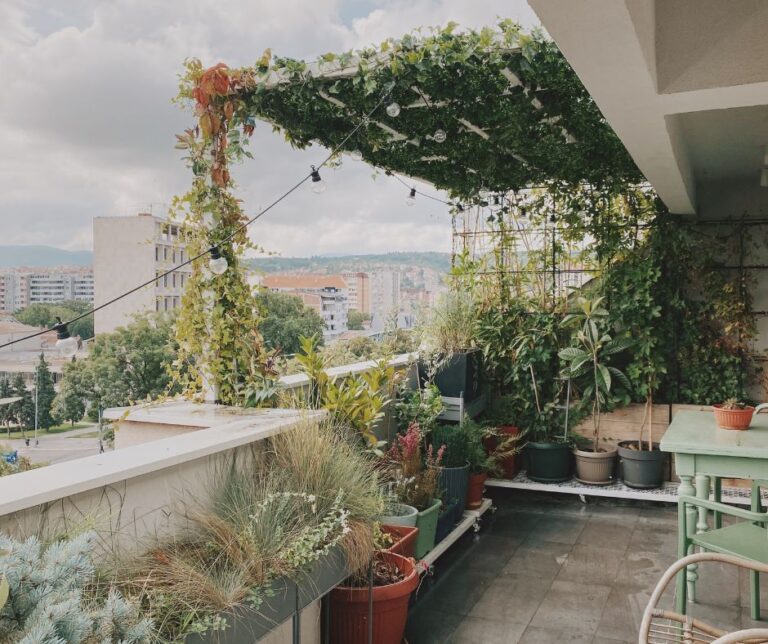
When floor space is at a premium, the only way is up. Vertical gardening is a cornerstone of small-space design, and it fits the cottage aesthetic perfectly because it envelops the viewer in greenery.
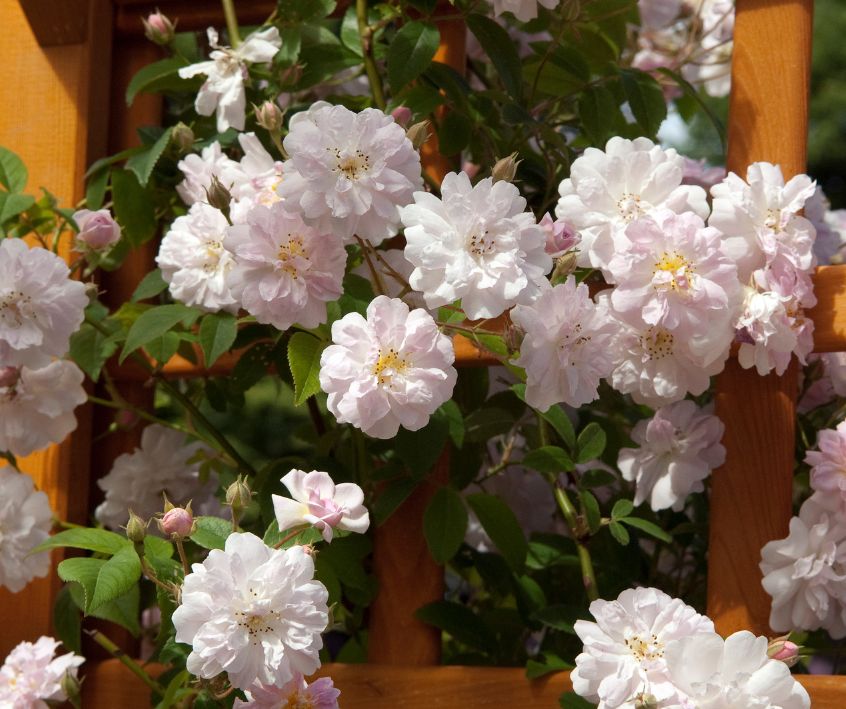
Use your walls, fences, and railings as canvases. Climbing roses are the classic choice, offering scent and romance.
Garden Trellis for Climbing Plants Outdoor & Indoor
For a container-friendly option, try a climbing hydrangea or a clematis trained up a trellis. If you want to grow food, scarlet runner beans produce beautiful red flowers that hummingbirds adore, followed by tasty pods.
Pro Tip: Install a simple wooden lattice against a boring fence. It instantly adds a rustic “cottagey” texture even before the plants have started to climb.
2. Container Gardening: The Portable Cottage Garden
You don’t need ground soil to have a garden. Containers are the best friends of renters and patio owners.
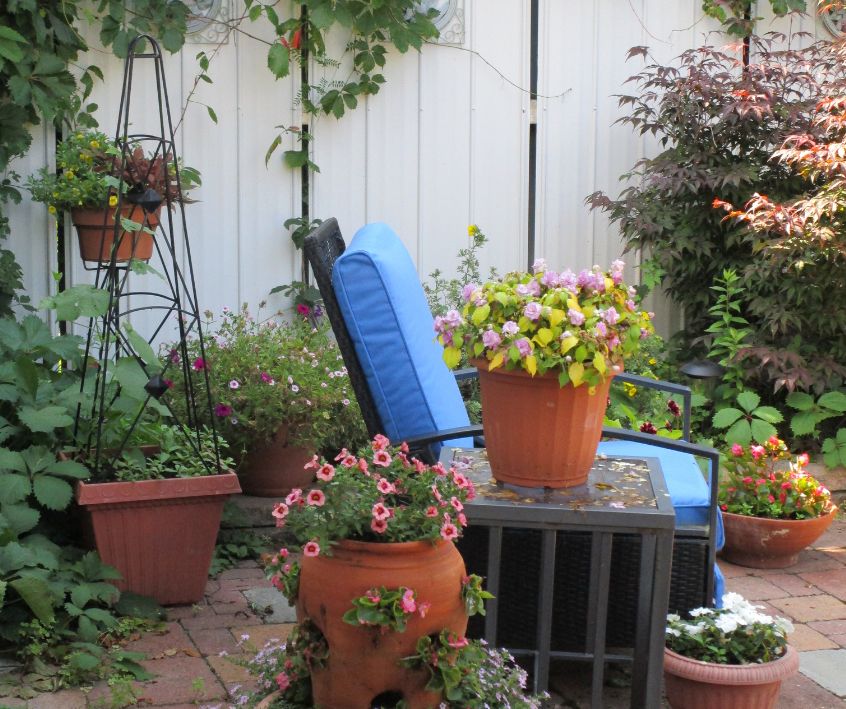
To keep the cottage vibe, avoid sleek, modern, plastic pots. Instead, look for materials that age well, like terracotta, stone, or galvanized metal.
Elevated Wood Planter Box with Legs, Bed Liner, Divider and Drainage Holes
The trick to successful container gardening in this style is abundance. Don’t plant one petunia in the middle of a pot. Stuff them full! Use the “Thriller, Filler, Spiller” method:
- Thriller: A tall, focal plant (like a Foxglove or a tall Rosemary).
- Filler: Mounded plants to fill the middle (like Calendula or Geraniums).
- Spiller: Trailing plants that soften the edges (like Lobelia or Nasturtium).
Remember that pots dry out faster than the ground, so keep an eye on watering, especially during the heat of summer.
3. Layered Planting: The Tiered Approach
In a small footprint, you need to think in 3D. Layered planting mimics how plants grow in nature and maximizes biodiversity.
Think of your garden space like a stadium. In the back (or the center, if viewing from all sides), place your tallest plants, perhaps a dwarf fruit tree or tall Hollyhocks.
In front of those, plant medium-height perennials like Coneflowers (Echinacea) or Black-eyed Susans (Rudbeckia). Finally, fill the front with low-growing ground cover like Creeping Thyme or Alyssum.
This layering creates a wall of color and ensures that pollinators have shelter at various heights.
4. Narrow Beds and Borders
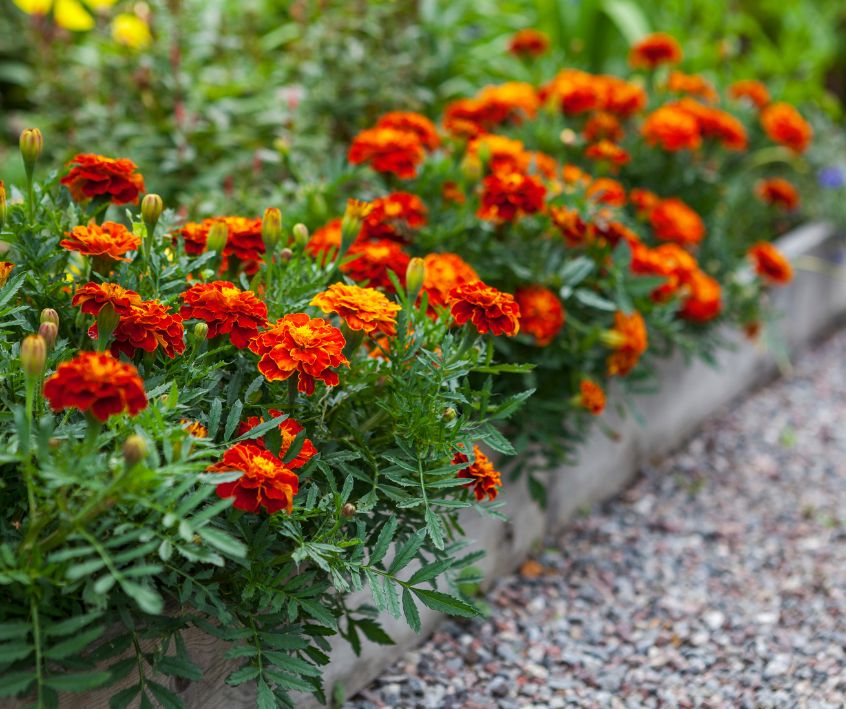
If you have a paved yard or a small lawn you want to reduce, consider installing narrow beds along the perimeter. You might be surprised how much you can fit into a bed that is only 12 to 18 inches wide.
This is the perfect spot for “spillers.” Plants like Lavender, Catmint (Nepeta), and Alchemilla (Lady’s Mantle) love to flop over hard edges, softening the lines of concrete paths and making the walkway feel more organic and established.
5. Self-Seeding Varieties: The “Free Plants” Strategy
One of the most delightful (and cost-effective) aspects of a cottage garden is the use of self-seeding plants.
These are the annuals and biennials that drop their seeds at the end of the season and pop up again next spring, often in surprising new spots.
This adds to that whimsical, unplanned look. Great candidates for self-seeders include:
- California Poppies: Bright and cheerful, drought-tolerant.
- Nigella (Love-in-a-Mist): Beautiful blue flowers and interesting seed pods.
- Borage: Edible blue flowers that bees go absolutely crazy for.
- Forget-Me-Nots: Perfect for shady corners.
Eco-Tip: Let these plants go to seed at the end of the season. The dried seed heads provide winter food for birds!
6. Companion Planting: Friends with Benefits
In a small space, plants need to be good neighbors. Companion planting is the practice of placing plants together that benefit one another, either by deterring pests, improving soil, or providing shade.
This is distinctively “cottage garden” because it mixes edibles and florals. For example:
- Marigolds + Tomatoes: Marigolds can help deter nematodes in the soil and attract beneficial insects that prey on tomato pests.
- Nasturtiums + Brassicas (Kale/Cabbage): Nasturtiums can act as a “trap crop,” luring aphids away from your precious kale.
- Chives + Roses: Traditionally planted together to help prevent black spot on roses.
This natural approach reduces the need for chemical interventions, keeping your garden safe for your family and local wildlife.
There are a few books I refer to on a regular basis when planning my gardens with companion planting in mind. They are:
Carrots Love Tomatoes: Secrets of Companion Planting for Successful Gardening,
Roses Love Garlic: Companion Planting and Other Secrets of Flowers
Vegetables Love Flowers: Companion Planting for Beauty and Bounty.
7. Edible Flowers and Herbs
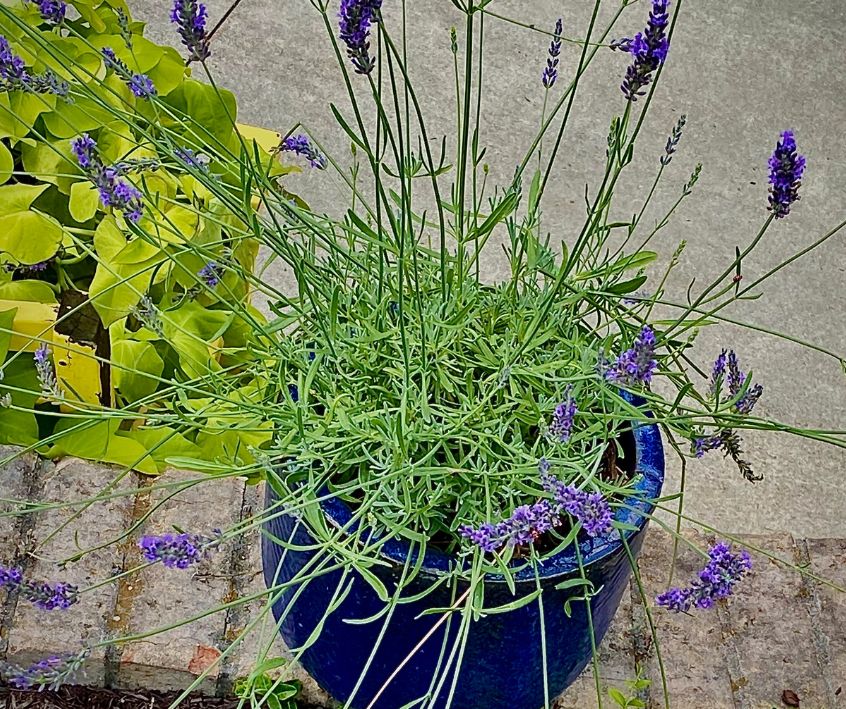
Why separate the vegetable patch from the flower bed? In a small space, you likely don’t have room for both, so merge them! Many herbs and vegetables are beautiful enough to hold their own alongside ornamentals.
- Swiss Chard (Rainbow varieties): The stems are vibrant red, yellow, and orange—stunning in a flower border.
- Sage and Thyme: These make excellent, drought-tolerant edging plants.
- Edible Flowers: Calendula, Violas, and Pansies look beautiful in the ground and add a gourmet touch to your salads.
How to Grow Your Own Flavorful Herbs de Provence
This approach maximizes your harvest without sacrificing aesthetics. It’s the ultimate “grow your health” strategy.
8. Miniature Varieties: Big Impact, Small Footprint
Plant breeders have done amazing work in recent years, developing “dwarf” or “patio” varieties of classic cottage plants. This means you don’t have to miss out on the giants just because you lack space.
- Dwarf Buddleia (Butterfly Bush): Traditional butterfly bushes can take over a yard. Look for the ‘Lo & Behold’ series, which stays compact but still attracts butterflies.
- Patio Roses: These give you the classic rose look but grow happily in pots.
- Bush varieties of vegetables: Look for bush beans, determinate tomatoes, and bush zucchini designed specifically for containers.
9. Color Coordination: The Art of Restraint
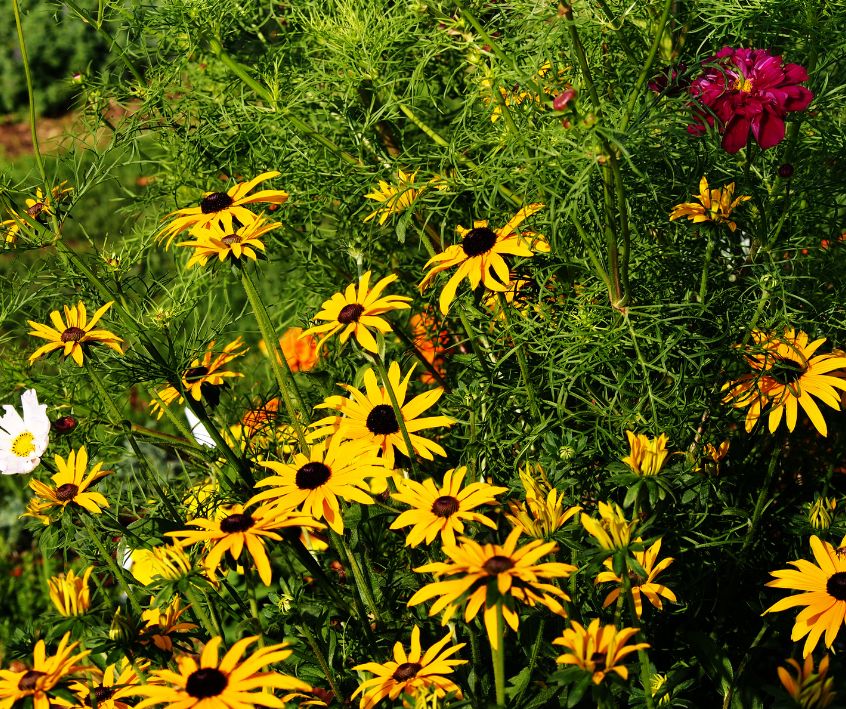
While traditional cottage gardens are often a riot of color, in a small space, too many conflicting colors can make the area feel cluttered and smaller than it is.
To create a sense of calm and cohesion, try sticking to a limited palette.
- Cool Palette: Blues, purples, whites, and silvers (e.g., Lavender, White Cosmos, Silver Ragwort) expand the space visually and make it feel serene.
- Warm Palette: Reds, oranges, and yellows (e.g., Marigolds, Nasturtiums, Rudbeckia) make a space feel cozy and vibrant.
Don’t forget green! Using different textures of green foliage helps rest the eye between bursts of color.
10. DIY Decor: Adding Personality
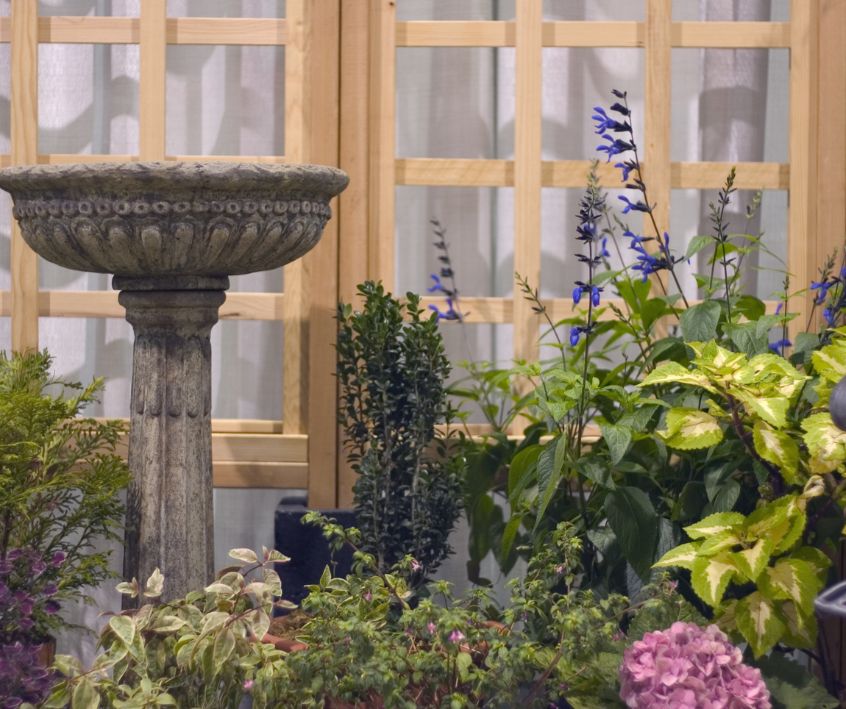
Finally, the cottage garden is a personal space. It shouldn’t look like it came out of a catalog. Incorporate repurposed items to add character.
- Old Furniture: A weathered wooden chair tucked into a corner with a pot of pansies on the seat looks instantly inviting.
- Bird Baths: Essential for supporting local wildlife. A shallow bowl on a stack of bricks works just as well as a store-bought pedestal.
- Bug Hotels: Create a small structure made of bamboo canes and pinecones to house solitary bees and ladybugs.
Transform Your Garden with Solar Powered Outdoor Water Fountains
These touches make the space feel lived-in and loved.
Case Studies: Small Gardens, Big Dreams
Sometimes it helps to see how others have done it.
The Urban Balcony Oasis
Sarah, 29
Sarah has a 4×8 ft balcony in the city. She used vertical pallets attached to the wall to grow her herb garden (basil, mint, cilantro).
On the floor, she grouped three large terracotta pots containing a dwarf lemon tree, lavender, and trailing petunias.
She added a small bistro set, creating a breakfast nook surrounded by scent and greenery.
Takeaway: Grouping pots together creates a “micro-climate” that helps them retain moisture better than standing alone.
The Side-Yard Strip
Mark and David, 35 & 38
They had a narrow, shady strip of dirt between their house and the neighbor’s fence. Instead of leaving it bare, they planted shade-loving cottage classics: Hostas for foliage, Foxgloves for height, and Bleeding Hearts for early spring color.
They added a winding path of stepping stones to make the narrow space feel like a journey.
Takeaway: Even shady, narrow spots can support life if you choose the right plants.
Start Your Cottage Journey Today
You don’t need a thatched roof or an acre of land to enjoy the delights of a cottage garden. Whether you are planting a single pot of pollinator-friendly lavender or transforming a small courtyard into an edible jungle, you are contributing to a healthier ecosystem and a healthier you.
Gardening is a journey, not a race. Start with one or two of these solutions. Plant some seeds, watch them grow, and learn as you go. Before you know it, you’ll have created your own little slice of paradise right outside your door.
Happy planting!
Visit the Garden Resources page for supplies and inspiration. Don’t forget to subscribe to the Calendula’s Garden Newsletter for more gardening tips.
Calendula’s Garden is reader supported. When you buy through links on our site, we may earn an affiliate commission. As an Amazon Associate, I earn from qualifying purchases. For more information, view our Disclaimer page. Thank you!