10 Common Garden Pests and How to Get Rid of Them Naturally
Calendula's Garden is reader suported This post may contain affiliate links, more on our Disclaimer page. Thank you!
There is nothing quite like the feeling of walking out into your garden early in the morning, coffee in hand, ready to admire the progress of your plants. You spot a new bloom on the tomatoes or a zucchini that seemingly doubled in size overnight.
But then, you lean in closer. You notice jagged holes in the leaves of your kale, or a sticky, black residue covering your prize roses. Your heart sinks a little. We have all been there.
For beginner gardeners, spotting pests can feel like a disaster. The instinct might be to rush to the store and grab the strongest chemical spray available to obliterate the invaders. However, dousing your vegetable patch or flower bed in harsh synthetic pesticides often does more harm than good.
These chemicals can wipe out the beneficial insects, like ladybugs and bees, that are actually your garden’s best defense system. They can also linger in the soil and affect the very food you are trying to grow for your family.
The good news is that nature provides its own checks and balances. By observing your garden closely and intervening with gentle, organic methods, you can manage pest populations without disrupting the delicate ecosystem you are cultivating.
It isn’t about eradicating every single bug. A sterile garden is an unhealthy one. It’s about keeping the bad guys in check, so your plants can thrive.
Let’s take a walk through the garden and identify ten of the most common troublemakers you might encounter, along with the natural strategies to send them packing.
1. Aphids (Aphidoidea)

If you see tiny, pear-shaped insects clustering on the new growth of your plants or the undersides of leaves, you likely have aphids. These little pests come in a variety of colors, green, black, red, yellow, or even pink, depending on the species and what they are eating.
The Damage:
Aphids are sap-suckers. They pierce plant tissues and extract vital fluids, causing leaves to curl, yellow, and distort. As they feed, they excrete a sticky substance called honeydew.
This honeydew can attract ants (which we will discuss later) and promotes the growth of sooty mold, a black fungus that blocks sunlight and inhibits photosynthesis.
While a few aphids aren’t a crisis, they reproduce incredibly fast, and a large infestation can severely weaken a plant.
Natural Solutions:
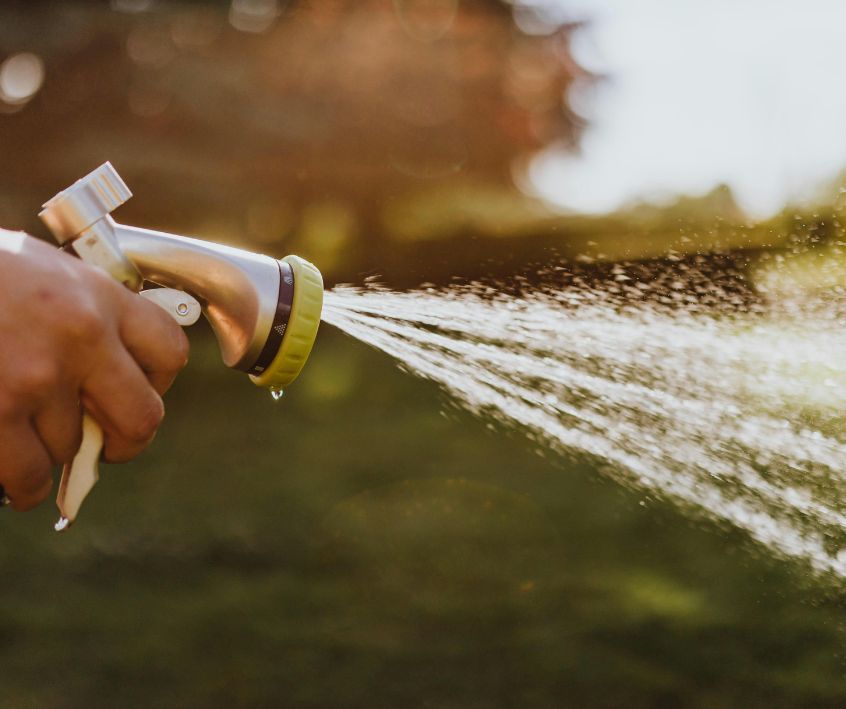
- The Hose Blast: Often, the simplest solution is the best. A strong stream of water from your garden hose can knock aphids off the plant. Because they are soft-bodied and weak, they usually cannot climb back up.
- Neem Oil: This organic oil, derived from the neem tree, acts as a repellent and disrupts the aphids’ hormonal balance so they stop feeding and reproducing. Bonide Captain Jack’s Neem Max
- Beneficial Insects: Encourage ladybugs and lacewings into your garden. A single ladybug larva can eat dozens of aphids a day. You can plant flowers like marigolds, dill, and fennel to attract these helpful predators.
2. Spider Mites (Tetranychidae)
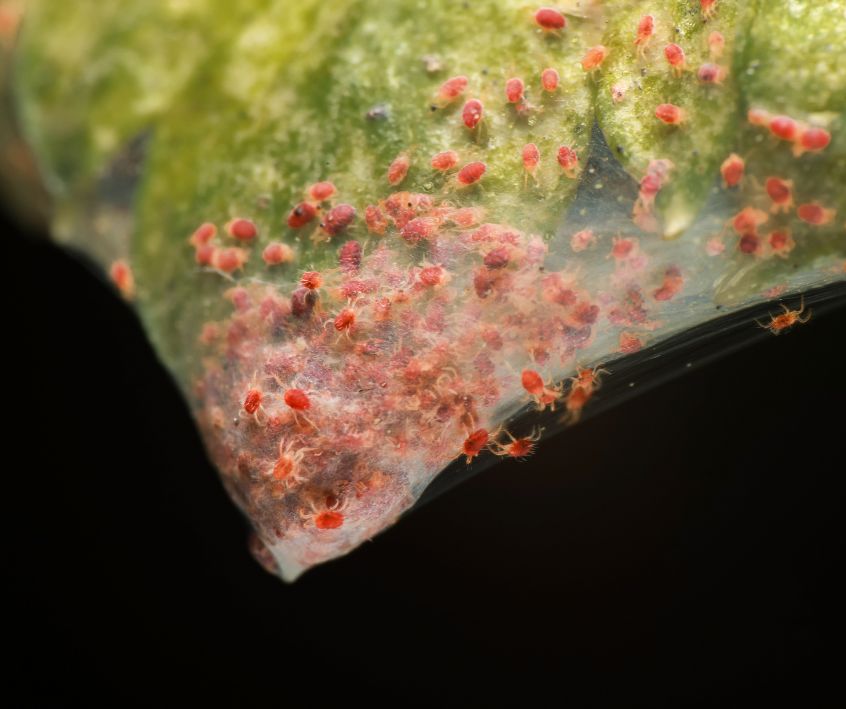
Spider mites are so small they are difficult to see with the naked eye. They look like tiny moving red or brown dots. You might suspect you have them if you see fine, silk-like webbing between leaves or stems.
The Damage:
Like aphids, spider mites pierce plant cells to feed. This results in stippling, tiny yellow or white specks on the leaves. As the infestation grows, leaves may turn bronze or gray and eventually drop off.
These pests thrive in hot, dry conditions, which is often why they strike in the peak of summer or on indoor houseplants.
Natural Solutions:
- Increase Humidity: Since spider mites love dry heat, keeping your plants well-watered and misting the leaves can discourage them.
- Predatory Mites: You can actually fight fire with fire (or mite with mite) by introducing predatory mites like Phytoseiulus persimilis, which feed specifically on spider mites.
- Insecticidal Soap: A gentle insecticidal soap spray can help manage populations. Be sure to spray the undersides of leaves where they like to hide. Bonide Insecticidal Soap
3. Cabbage Worms (Pieris rapae)
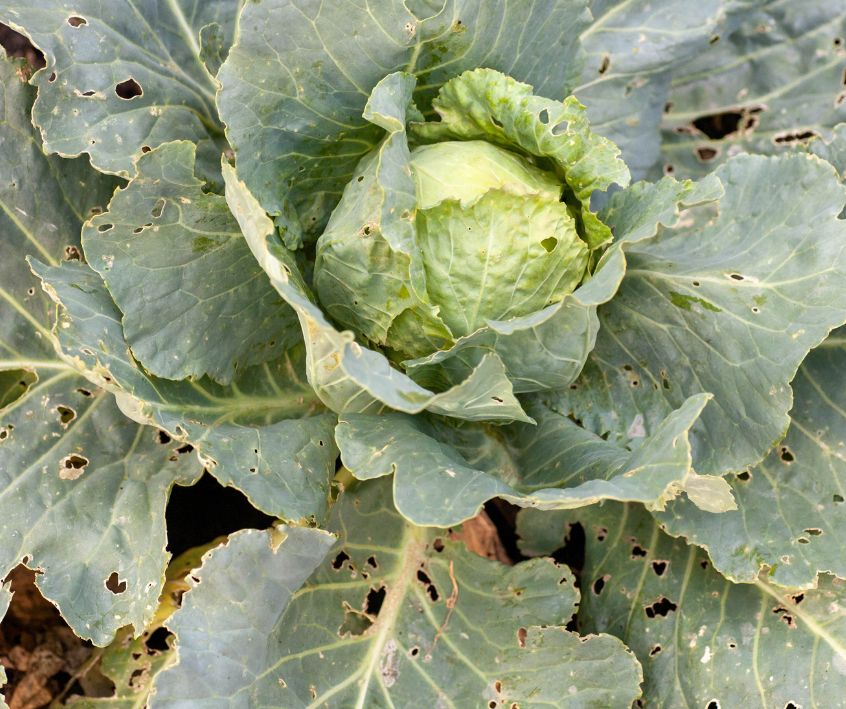
If you grow broccoli, kale, cabbage, or cauliflower, you have likely seen the white butterfly fluttering around your patch. While the butterfly is pretty, its offspring are voracious eaters. The larvae are velvety green caterpillars that blend in perfectly with the foliage.
The Damage:
These caterpillars chew large, irregular holes in the leaves. They can decimate seedlings quickly and will tunnel into the heads of cabbage and broccoli, leaving behind messy green droppings (frass) that make the vegetable unappetizing.
Natural Solutions:
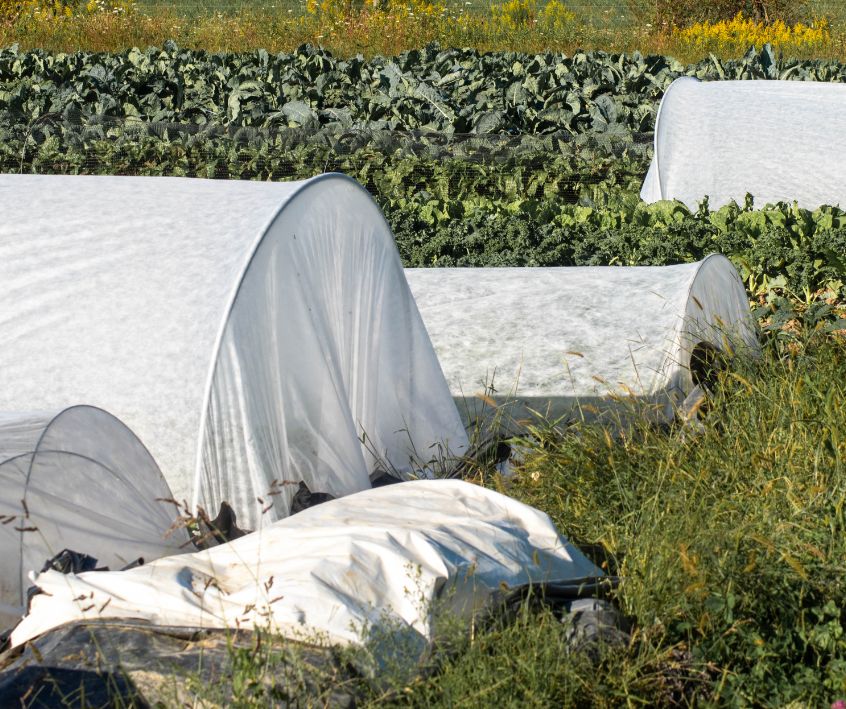
- Floating Row Covers: Prevention is key here. By covering your brassicas with a lightweight fabric row cover early in the season, you prevent the butterflies from landing and laying eggs. Agfabric Floating Row Cover
- Handpicking: If the infestation is small, simply inspecting the undersides of leaves and picking off the caterpillars works well. Drop them into a bucket of soapy water.
- Bacillus thuringiensis (Bt): This is a naturally occurring soil bacterium that is toxic to caterpillars but safe for humans, pets, and other insects. When the worm eats a leaf treated with Bt, it stops feeding and dies. Bonide Captain Jack’s Bacillus Thuringiensis BT Organic Worm & Caterpillar Control
4. Tomato Hornworms (Manduca quinquemaculata)
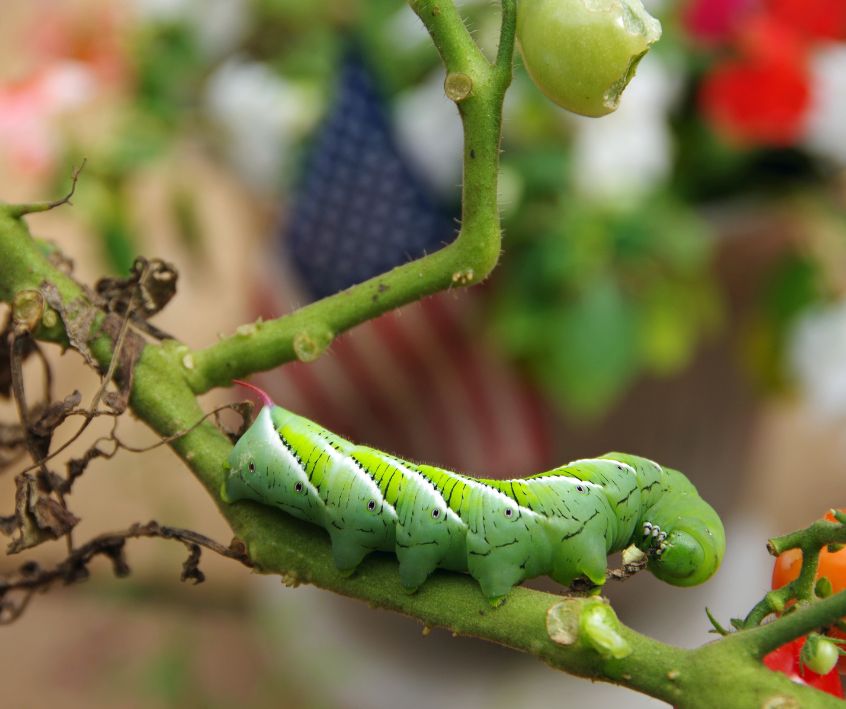
These are the giants of the garden pest world. Tomato hornworms are large, fleshy green caterpillars with white diagonal stripes and a distinct “horn” on their rear end. They camouflage terrifyingly well among tomato vines.
The Damage:
Hornworms are eating machines. A single hornworm can strip a tomato plant of its leaves in a matter of days. They will also munch on green fruit, leaving large, gouged scars. Because they are so large, the damage happens fast.
Natural Solutions:
- The UV Light Trick: Because they blend in so well, they can be hard to spot during the day. Go out at night with a UV blacklight flashlight; their bodies will glow, making them easy to spot and remove. Vansky UV Flashlight Black Light
- Beneficial Wasps: If you see a hornworm covered in small white oval cocoons, do not kill it! These are the pupae of parasitic braconid wasps. The wasp larvae are feeding on the hornworm from the inside out. Leaving it allows the wasps to mature and hunt more hornworms in your garden.
- Companion Planting: Planting basil or borage near your tomatoes is said to help repel them.
5. Squash Bugs (Anasa tristis)
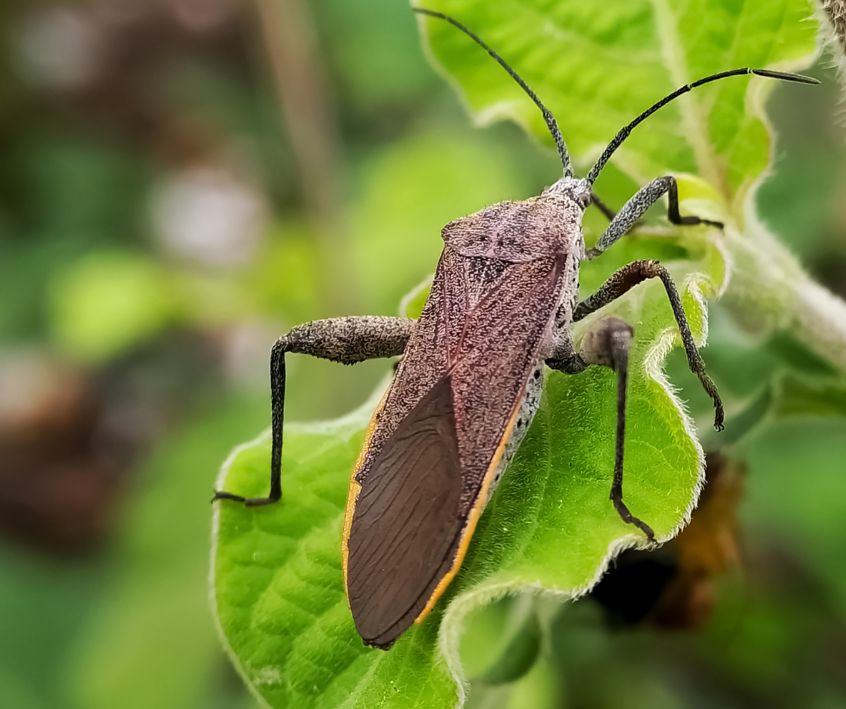
Squash bugs are the bane of any pumpkin or zucchini grower. Adult bugs are dark gray or brown, flat-backed, and shield-shaped. They tend to scuttle away quickly to hide under leaves or debris when disturbed.
The Damage:
They inject a toxin into the plant while sucking sap, which disrupts the flow of water and nutrients. This causes leaves to wilt, turn black, and become crispy (often mistaken for bacterial wilt). A heavy infestation can kill young plants outright.
Natural Solutions:
- Egg Removal: Check the undersides of leaves regularly for clusters of shiny, bronze-colored eggs. Scrape them off with your fingernail or a piece of duct tape to prevent the next generation from hatching.
- Board Traps: Place a wooden board or a piece of cardboard on the soil near your plants at night. The bugs will gather under it for shelter. In the morning, lift the board and dispose of the bugs hiding underneath.
- Crop Rotation: Squash bugs overwinter in garden debris, so rotating where you plant your cucurbits each year helps disrupt their lifecycle.
6. Cucumber Beetles (Acalymma vittatum)
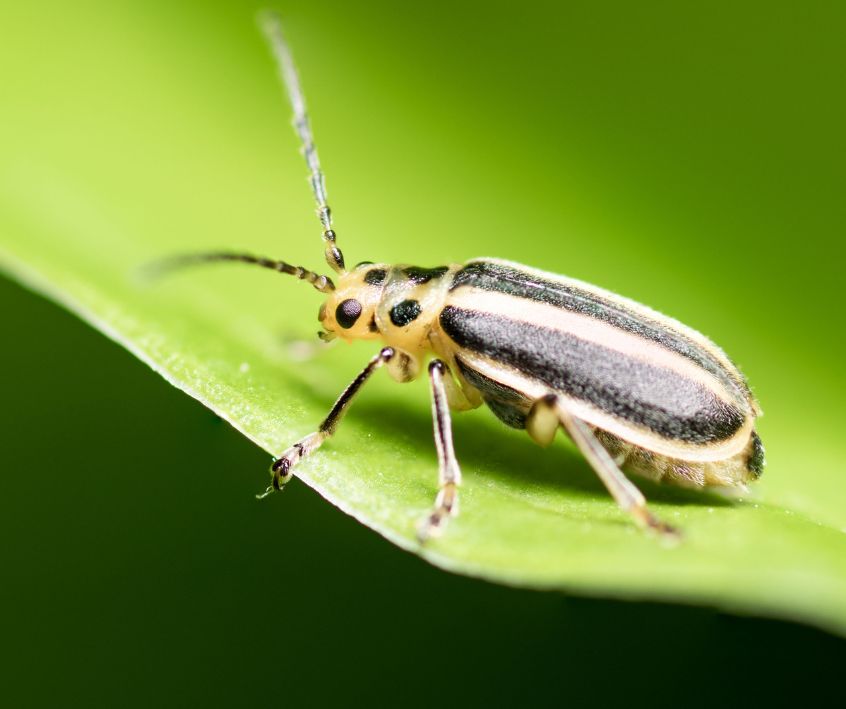
These are distinct yellow beetles, either striped or spotted, depending on the variety. They are incredibly active and will fly off if you try to catch them.
The Damage:
While they do chew holes in leaves and flowers, the physical damage is secondary to the disease they carry. Cucumber beetles are the primary vector for bacterial wilt. Once a plant is infected with bacterial wilt, there is no cure; the vines will simply collapse and die.
Natural Solutions:
- Kaolin Clay: Spraying your plants with a solution of kaolin clay creates a powdery film on the leaves that irritates the beetles and discourages feeding. It washes off easily when you harvest. Bare Essentials Living White Kaolin Clay Powder
- Delayed Planting: Cucumber beetles emerge in early spring. By waiting a few weeks to plant your cucumbers or squash, you can starve out the first generation of adults.
- Sticky Traps: Yellow sticky traps placed near the plants can help catch adults, though be careful not to place them where bees might get stuck.
7. Japanese Beetles (Popillia japonica)
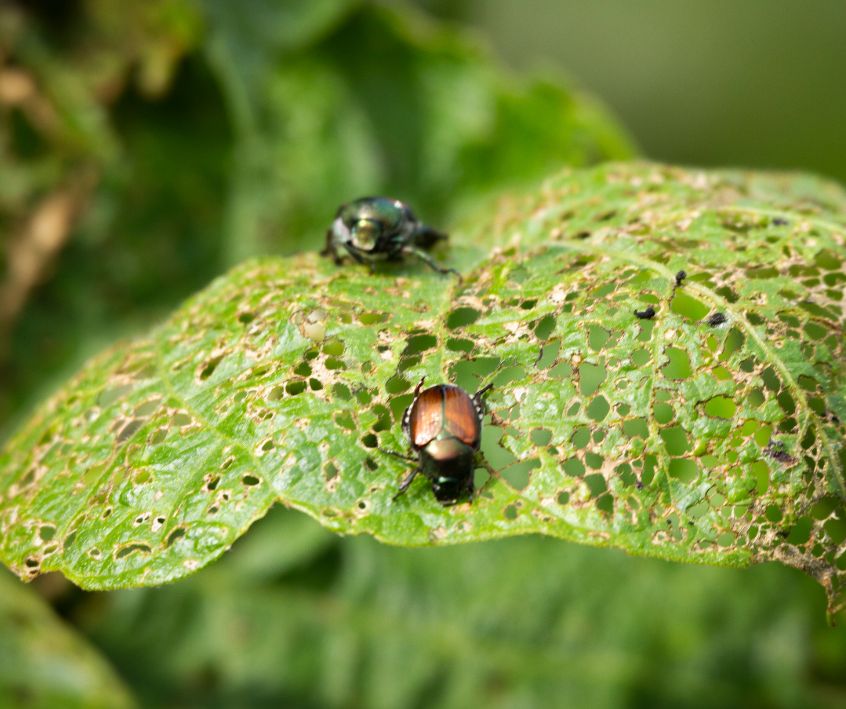
These metallic green and copper beetles are beautiful to look at, but devastating to the host. They are not picky eaters and will attack everything from roses and beans to fruit trees and berries.
The Damage:
Japanese beetles feed in groups (they are gregarious), skeletonizing leaves until only the veins remain. They also devour flowers and fruit. Their larvae are grubs that live in the soil and feed on grass roots, damaging your lawn.
Natural Solutions:
- The Soapy Water Bucket: Early in the morning, when the beetles are sluggish, hold a bucket of soapy water underneath a leaf and gently shake the branch. The beetles will fall in and drown.
- Milky Spore: To tackle the problem at the source, apply milky spore powder to your lawn. This introduces a bacterium that targets the grubs in the soil, reducing the population for years to come. St. Gabriel Laboratories Milky Spore Grub Control Powder
- Avoid Pheromone Traps: While popular, Japanese beetle traps contain pheromones that attract more beetles to your yard than they actually catch. It is usually better to avoid them near your garden.
8. Slugs and Snails (Gastropods)
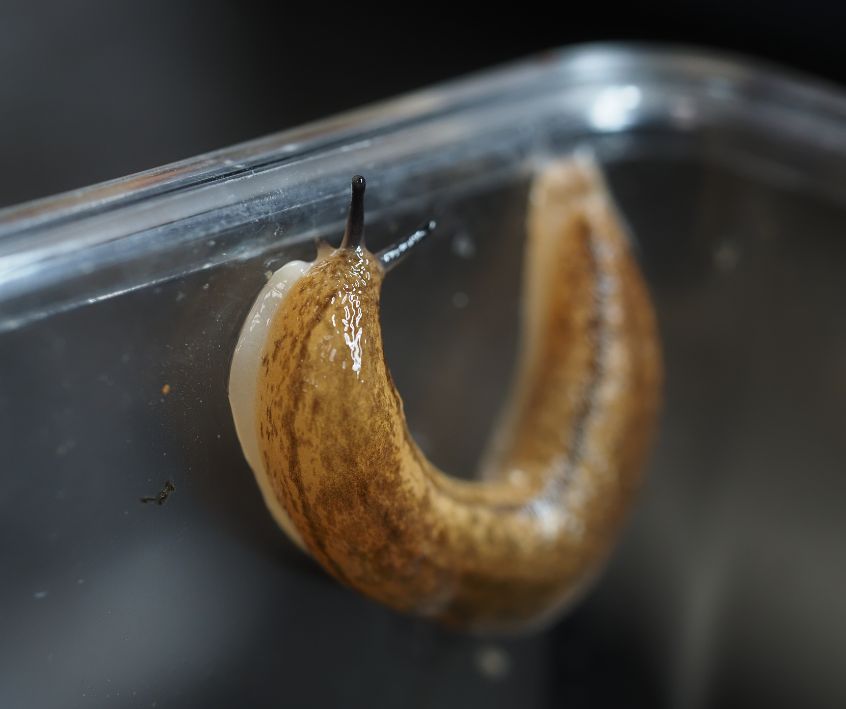
While technically mollusks and not insects, slugs and snails are major garden pests. They are active mostly at night and on cloudy, damp days.
The Damage:
They rasp irregular holes in leaves with their rough tongues. They are particularly fond of tender seedlings, hostas, lettuce, and strawberries. If you see slimy, shiny trails drying on your patio or leaves, you know who the culprit is.
Natural Solutions:
- Beer Traps: Slugs are attracted to the fermentation smell of yeast. Bury a shallow container (like a tuna can) in the soil so the rim is level with the ground and fill it with beer. They will slide in for a drink and be unable to get out.
- Garden Safe Brand Slug & Snail Bait Granules
- Diatomaceous Earth (DE): Sprinkle food-grade DE around the base of your plants. This powder is made of fossilized algae and is microscopic, yet sharp. It cuts the soft bodies of the slugs, dehydrating them. Note that DE must be reapplied after rain. Harris Diatomaceous Earth Food Grade
- Barriers: Copper tape placed around the rim of pots or raised beds can create a small electric shock that deters them from crossing.
9. Whiteflies (Aleyrodidae)
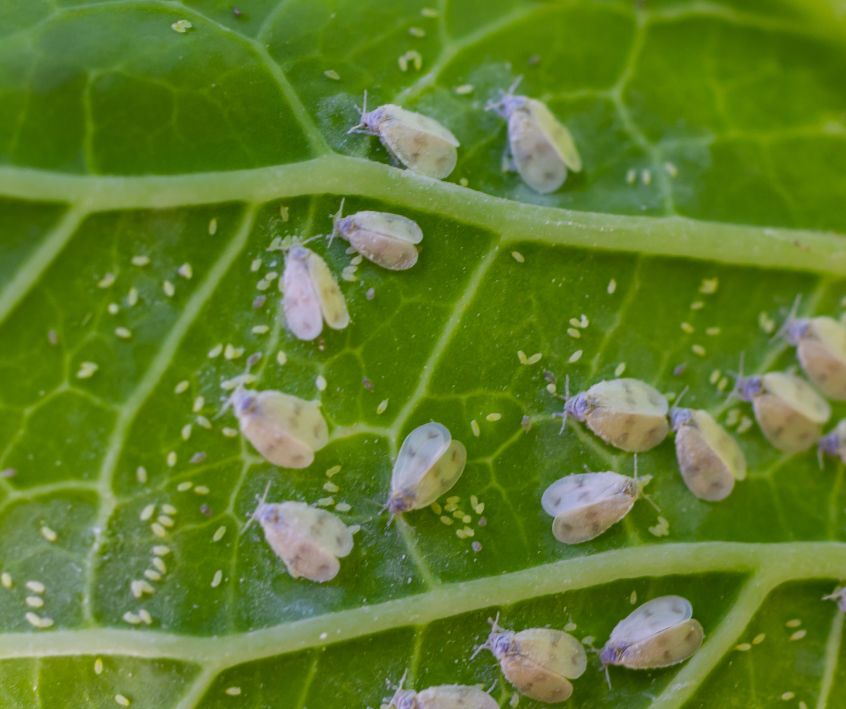
Whiteflies are tiny, winged insects that look like white moths. They congregate on the undersides of leaves and will fly up in a cloud if you brush against the plant. They are common in greenhouses but can plague outdoor gardens too.
The Damage:
Similar to aphids, they suck plant juices and excrete honeydew, leading to sooty mold. Heavy feeding weakens the plant, causing yellowing and leaf drop. They can also transmit harmful plant viruses.
Natural Solutions:
- Yellow Sticky Traps: Whiteflies are attracted to the color yellow. Hanging sticky cards near infested plants can trap the adults. LFSYS 64 Pcs Sticky Traps
- Insecticidal Soap: Spraying the undersides of leaves with insecticidal soap or horticultural oil can smother the nymphs and adults. Garden Safe 32 oz. Insecticidal Soap Ready-to-Use
- Worm Castings: Some studies suggest that using worm castings (vermicompost) as fertilizer can boost the plant’s natural enzyme defenses against sucking insects like whiteflies. Worm Bliss (8 Qts) – Organic Worm Castings for Plants & Gardening
10. Ants (Formicidae)
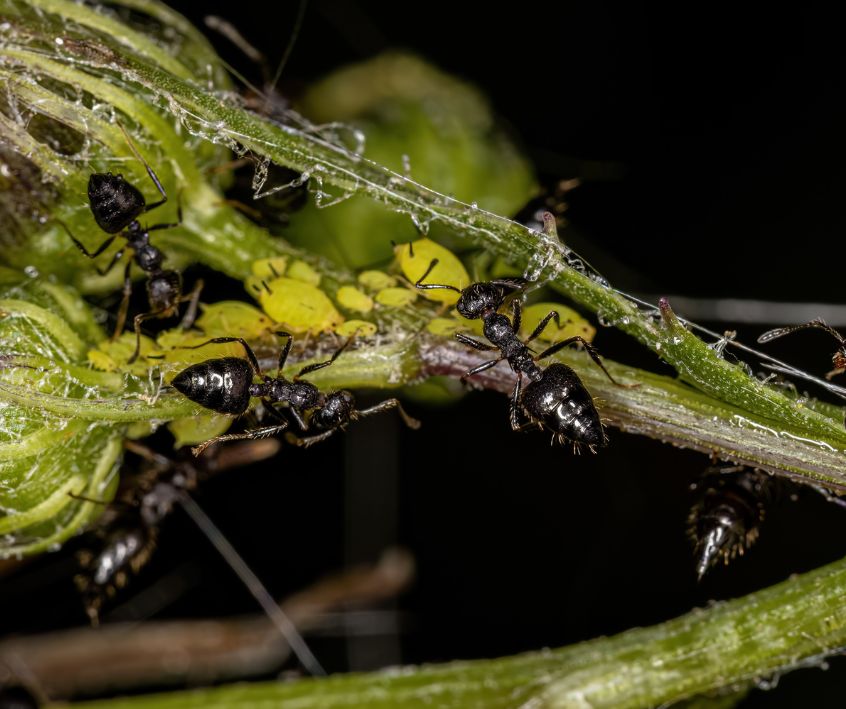
Ants themselves do not usually eat plants, but their presence in high numbers on a plant is often a sign of another problem.
The Damage:
Ants are farmers. They have a symbiotic relationship with aphids, mealybugs, and scale insects. The ants protect these pests from predators (like ladybugs) so they can harvest the sweet honeydew the pests produce.
If you see a trail of ants marching up your tomato stalk, look closely for aphids. Ants can also disturb soil around roots and build unsightly mounds.
Natural Solutions:
- Control the Source: Often, getting rid of the aphids will cause the ants to leave.
- Cinnamon and Coffee Grounds: Ants rely on scent trails to navigate. Sprinkling strong-smelling substances like cinnamon or used coffee grounds around the base of the plant can disrupt their trails and deter them.
- Borax Baits: Mixing borax with sugar and water creates a bait that worker ants will carry back to the colony, eventually eliminating the queen. Just be sure to place these baits in containers where pets and beneficial insects cannot reach them. PURE Borax (5 lb) Sodium Borate
More ant tips: How to Get Rid of Ants in Your Yard
Frequently Asked Questions
Why shouldn’t I just use a chemical pesticide?
Chemical pesticides are indiscriminate killers. They wipe out the pests, but they also kill pollinators like bees and butterflies, as well as predatory insects like ladybugs and praying mantises.
Without these predators, pest populations often bounce back even stronger than before. Furthermore, chemicals can contaminate your soil and groundwater.
What is “IPM”?
IPM stands for Integrated Pest Management. It is a strategy used by farmers and gardeners that focuses on long-term prevention of pests through a combination of techniques.
This includes biological control (predators), habitat manipulation (mulching), modification of cultural practices (watering habits), and using resistant plant varieties. Pesticides are used only as a last resort.
Are all bugs in the garden bad?
Absolutely not! In fact, the vast majority of insects in your garden are either neutral or beneficial. Some, like bees, pollinate your food. Others, like ground beetles, parasitic wasps, and lacewings, are hunters that keep the pest population down. A healthy garden is buzzing with life.
A Balanced Ecosystem
Dealing with pests is simply part of the contract we sign when we decide to become gardeners. It can be frustrating to see your hard work nibbled on, but remember that a few holes in your kale leaves are not the end of the world. It is a sign that your garden is a living, breathing ecosystem.
By catching problems early and using these natural methods, you can protect your harvest without resorting to harsh chemicals. Gardening is a learning process, and every season you will get better at outsmarting the bugs. So, grab your gloves, check under those leaves, and reclaim your garden naturally.
Visit the Garden Resources page for supplies and inspiration. Don’t forget to subscribe to the Calendula’s Garden Newsletter for more gardening tips.
Calendula’s Garden is reader supported. When you buy through links on our site, we may earn an affiliate commission. As an Amazon Associate, I earn from qualifying purchases. For more information, view our Disclaimer page. Thank you!