10 Best Fruits to Grow for Dehydrating (Easy to Grow and Absolutely Delicious)
Calendula's Garden is reader suported This post may contain affiliate links, more on our Disclaimer page. Thank you!
Dehydrating fruits at home is a fantastic way to preserve your harvest, cut down on waste, and enjoy nutritious snacks year-round. With the right fruits, you can create sweet, chewy bites of heaven that are perfect as trail mix, baking ingredients, or even quick on-the-go snacks.
But which fruits are best for dehydrating, and how can you grow them yourself?
This guide will reveal the top 10 fruits you can easily grow and dehydrate at home, along with practical tips for getting started.
We included fruit that grows in cool weather all the way to tropical, so we have something for everyone. Whether you’re a gardener or a home cook looking for new ways to enjoy seasonal produce, this article is for you.
What Makes a Fruit Perfect for Dehydrating?
Not all fruits are created equal when it comes to dehydrating. Here are the key features to look for when choosing fruits to grow:
High yield, so you’ll always have enough for fresh eating and dehydrating.
Rich flavor that intensifies when dried. Sweet fruits work best!
Low water content for quicker drying and better texture.
Easy to grow and maintain in your backyard or balcony garden.
Where to find seeds, plants, and supplies:
Popular Dehydrators:
COSORI Food Dehydrator 7 Trays
Now, on to our favorite backyard fruits!
1. Apples – The Classic Dehydrated Fruit
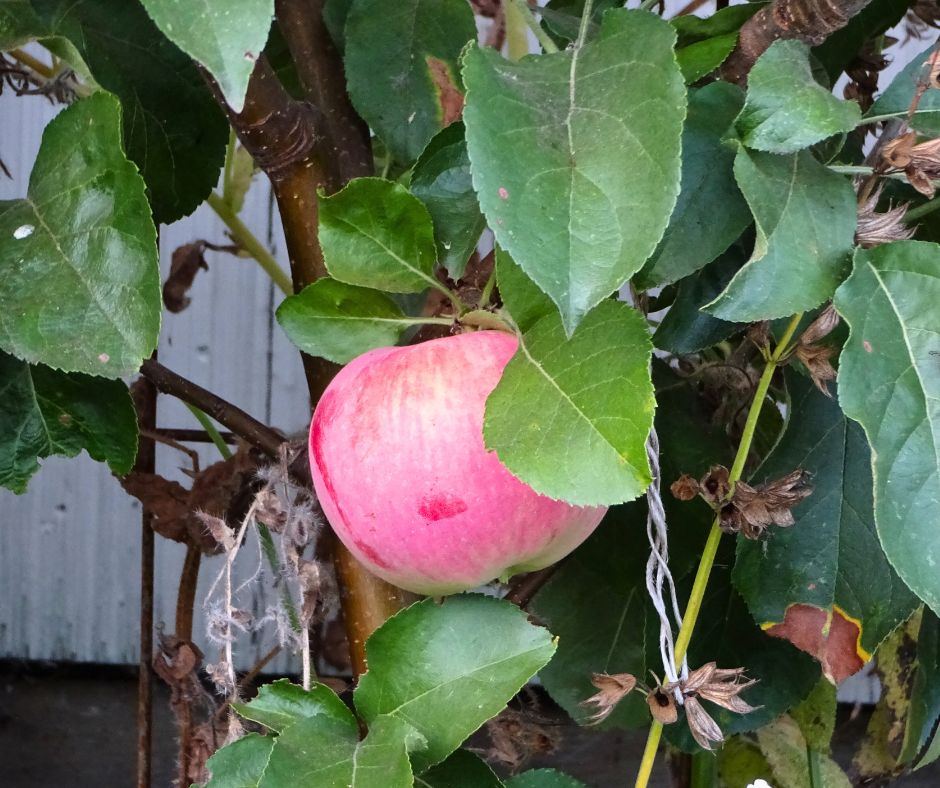
Apples are a staple in the world of dehydrated fruits—and for good reason. They’re not only easy to grow, but they also deliver a sweet-tart flavor that’s heightened by the drying process.
Why Grow Apples?
Variety: Growers have access to endless apple varieties, from tart Granny Smiths to sweet Fuji apples, allowing for tailormade flavors in your dried slices.
Abundant harvests: Even a single tree can provide a bounty of apples to enjoy fresh and dehydrate for snacks.
Cold-hardy: Many apple tree varieties tolerate cold climates, making them suitable for a wide range of regions.
Growing Tips:
Plant in full sun for the best fruit yield.
Prune annually to maintain tree health and improve fruit size.
Harvest apples when they’re firm and fully ripe for the best dehydration results.
Dehydrated apples can be sliced into rings or wedges and sprinkled with cinnamon for a delicious, guilt-free treat.
2. Grapes – Perfect for Homemade Raisins
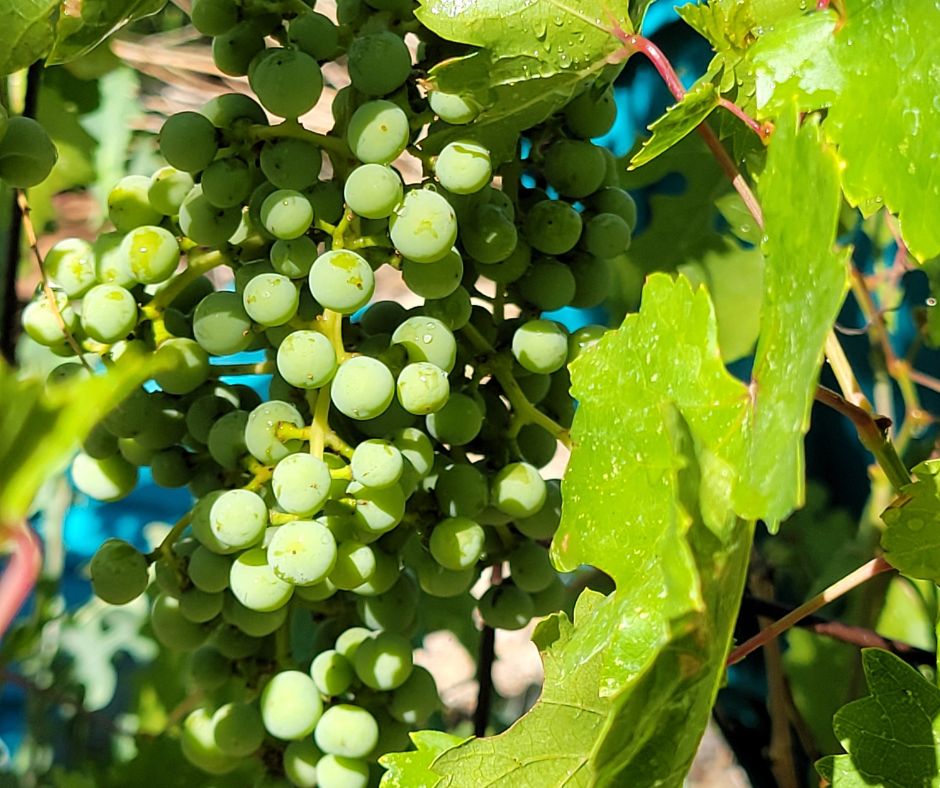
Grapes are ideal for dehydrating into raisins, which are fantastic for adding texture and sweetness to recipes. The best part? Grapevines are surprisingly easy to grow if you have the right space and conditions.
Why Grow Grapes?
Rich sweetness concentrates beautifully when dried.
Long-lived plants that can produce fruit for decades with proper care.
Dual-purpose fruit—enjoy fresh, as juice, or dehydrated into raisins.
Growing Tips:
Grapes thrive in sunny, well-drained soils.
Choose seedless varieties like Thompson or Flame for easier raisin production.
Keep the vines pruned and supported on a trellis for healthier growth and easier harvesting.
Once dehydrated, homemade raisins are amazing in granola, baking, or snacking.
3. Berries – Tiny Flavor Bombs (Strawberries, Blueberries, etc.)
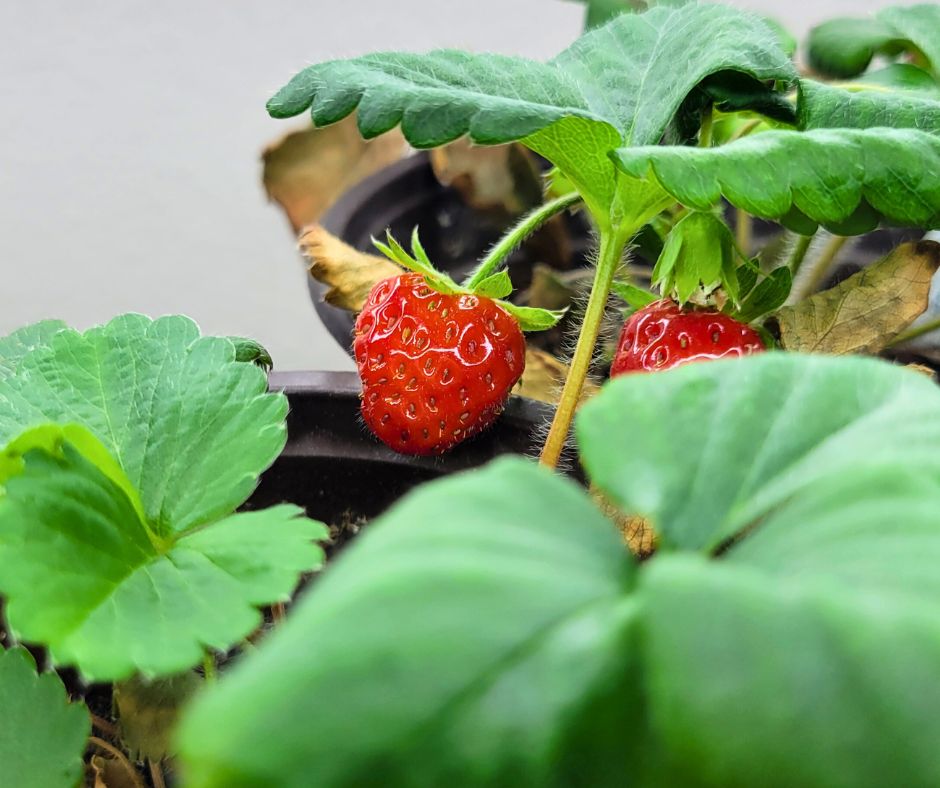
Berries, like strawberries or blueberries, are superstars in the dehydrating game! When dried, they transform into sweet, chewy bites packed with intense flavor.
Why Grow Berries?
Nutrient-rich and loaded with antioxidants to give you a health boost.
Perfectly sized for fast dehydrating.
Compact plants make them ideal for small gardens or even containers.
Growing Tips:
Plant strawberries in soil-rich, sunny beds or containers. For blueberries, make sure your soil is acidic and well-drained.
Keep them well-watered, especially during fruiting season.
Pick berries at their peak ripeness for the sweetest dehydrated results.
Dehydrated berries are phenomenal in trail mixes, oatmeal, and desserts.
4. Bananas – Sweet and Chewy Treats

If you’ve never tried dehydrated bananas, you’re missing out. Their natural sweetness makes them the perfect candidate for home-dried snacks.
Why Grow Bananas?
Bananas are low-maintenance fruit for warm climates.
Dehydrate into chewy, candy-like slices that kids and adults both love.
Versatile—use in baking, cereals, or on their own.
Growing Tips:
Bananas require warm temperatures and ample water to thrive.
Choose dwarf banana varieties for smaller gardens or backyard spaces.
Harvest once the bananas show their distinct yellow hue for optimal results.
Dehydrated banana chips can be lightly salted or sweetened for a versatile snack.
5. Peaches – Juicy Fruit with a Tangy Twist
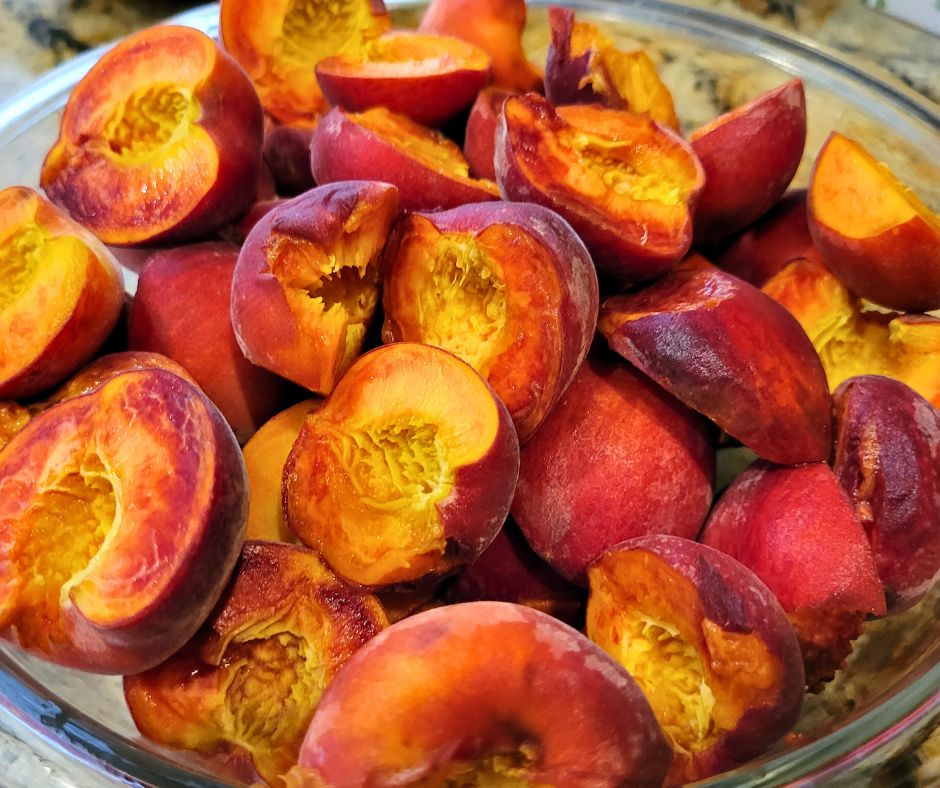
Peaches might not seem like an obvious choice, but their rich, slightly tangy flavor becomes candy-sweet once they’re dried.
Why Grow Peaches?
High water content turns into perfectly chewy, flavorful slices post-dehydration.
Great for making dried fruit leathers or chips.
Thrives in warm regions, adding a tree with ornamental appeal to your garden.
Growing Tips:
Peaches love full-sun exposure and well-drained soil.
Provide regular pruning to ensure quality fruit growth.
Pick peaches when they’re soft to the touch but not overripe to avoid sogginess in the dehydrator.
Use dehydrated peaches as an on-the-go snack, or toss them into salads for a pop of sweetness.
6. Pineapples – Tropical Burst of Flavor
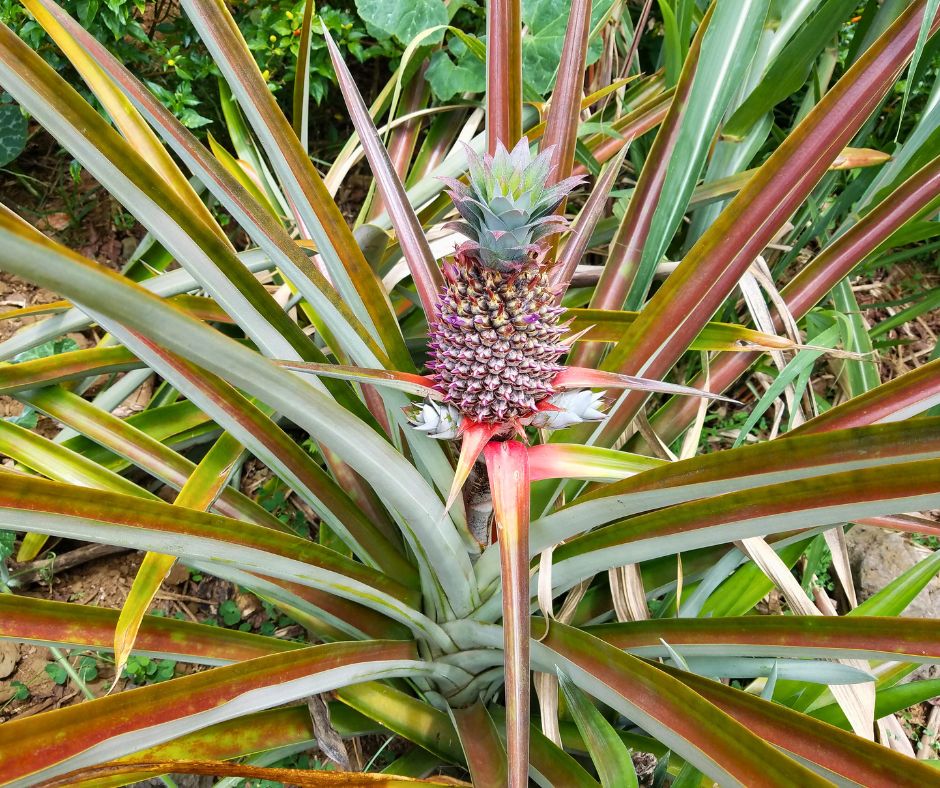
Pineapples are the ultimate tropical fruit, and their tangy-sweet flavor becomes even more concentrated when dehydrated. They make for irresistible dried snacks or a flavorful addition to trail mixes.
Why Grow Pineapples?
Unique flavor intensifies beautifully during dehydration.
Hardy plant that requires minimal maintenance once established.
A single plant can produce a large fruit, perfect for dehydrating in slices or chunks.
Growing Tips:
Pineapples thrive in warm climates and well-drained soil.
Plant the top of a store-bought pineapple to start growing your own.
Patience is key—pineapples can take up to two years to produce fruit.
Dehydrated pineapple rings are chewy, tangy, and perfect for satisfying sweet cravings.
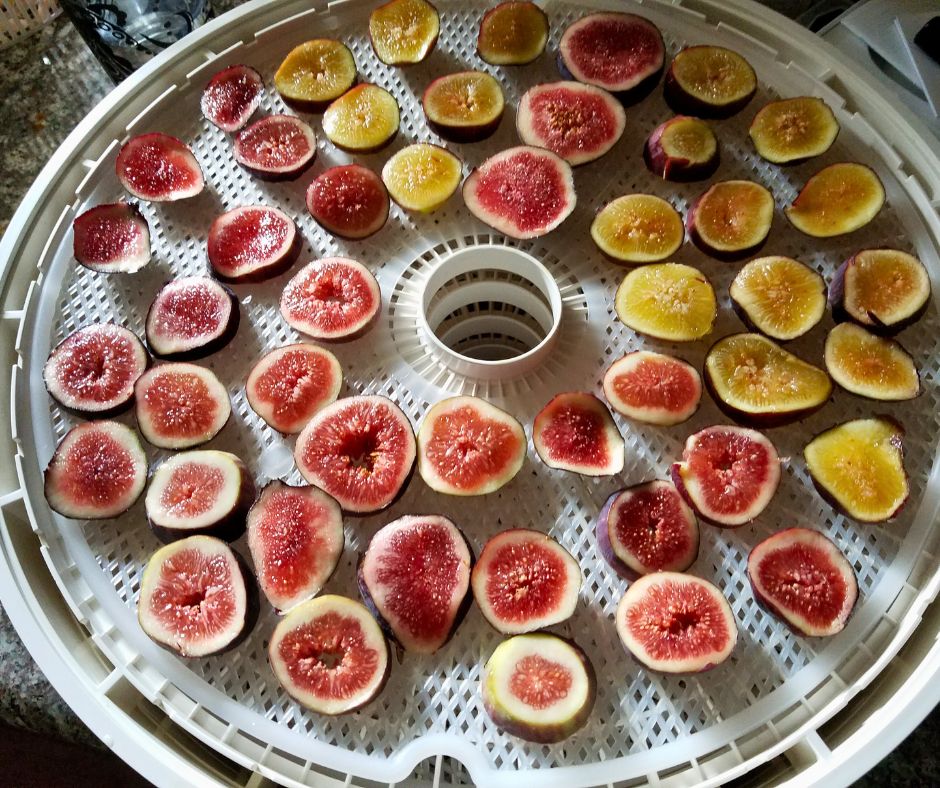
7. Figs – Nature’s Candy
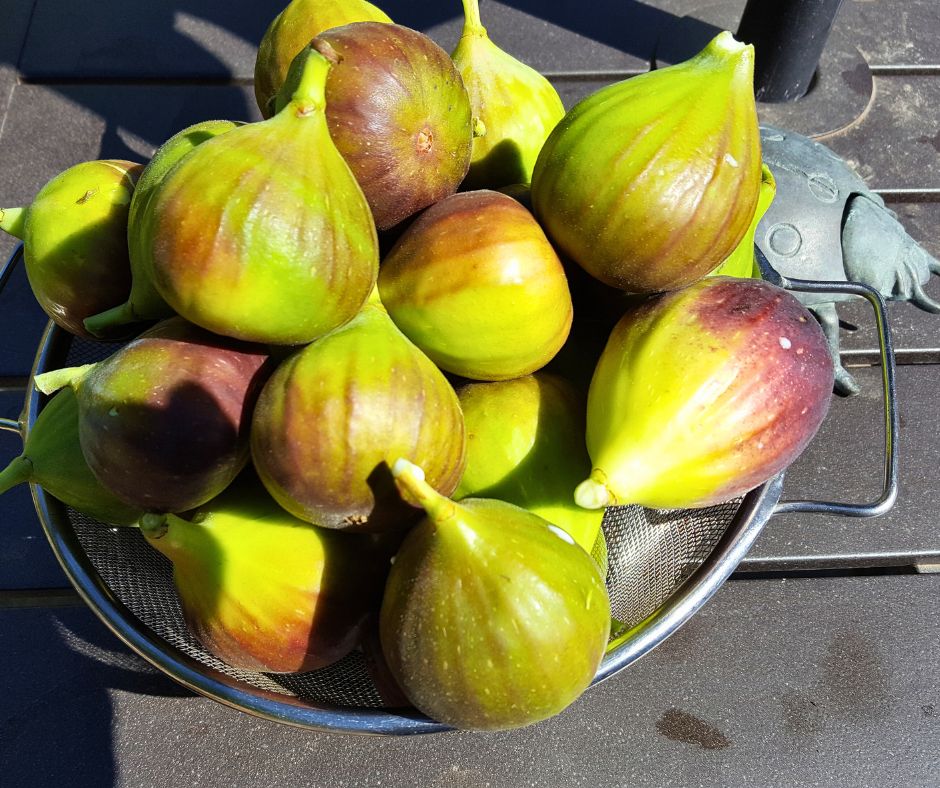
Figs are a gardener’s delight and an excellent fruit for dehydrating. Their natural sweetness and soft texture turn into a luscious, chewy treat when dried.
Why Grow Figs?
Extra-sweet flavor makes them taste like candy when dehydrated.
Suitable for dry and warm climates, with some varieties tolerant of cooler regions.
A single fig tree can produce plenty of fruit for fresh eating and dehydrating.
Growing Tips:
Plant in full sun with well-draining soil.
Water regularly, especially during the fruiting season.
Harvest figs when they’re soft and slightly drooping for the best flavor.
Dehydrated figs are rich in flavor and fantastic for snacking or adding to baked goods.
8. Cherries – Sweet or Tart Treats
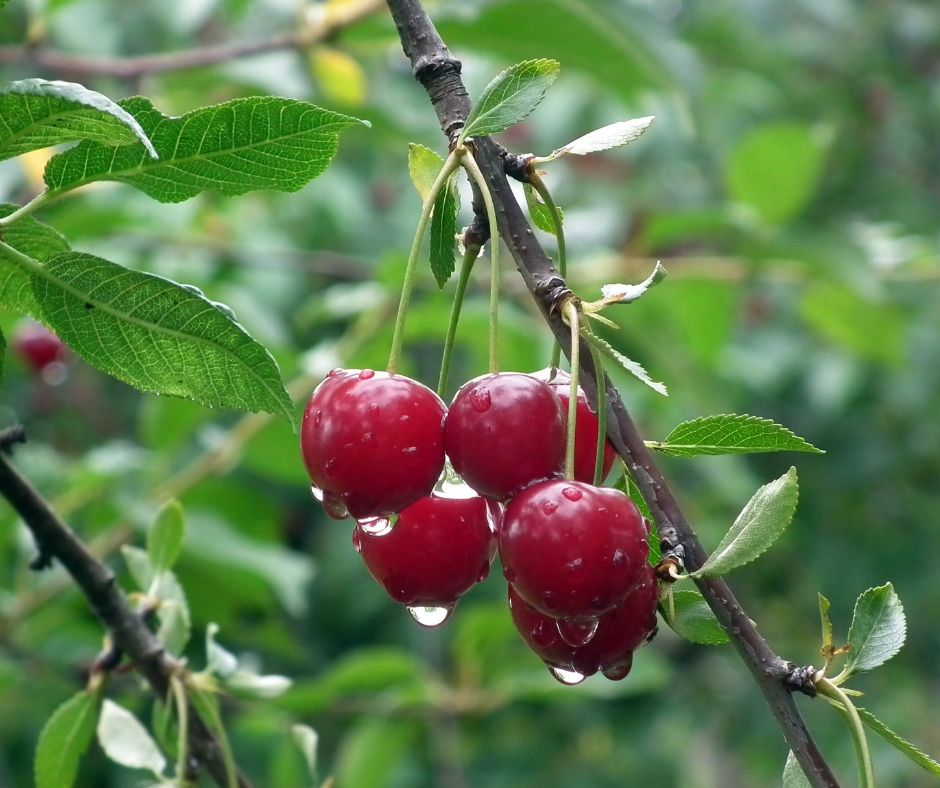
Cherries, whether sweet or sour, are another fantastic fruit to grow and dehydrate. Dried cherries add a concentrated burst of flavor to salads, desserts, or simply as a standalone treat.
Why Grow Cherries?
Dual-purpose fruit—great for fresh eating and dehydrating.
Sweet and sour varieties cater to different taste preferences.
Compact dwarf varieties are perfect for smaller gardens.
Growing Tips:
Cherries need full sun and well-drained soil.
Protect trees from birds using netting, as they love ripe cherries!
Pit the cherries before dehydrating them for convenience.
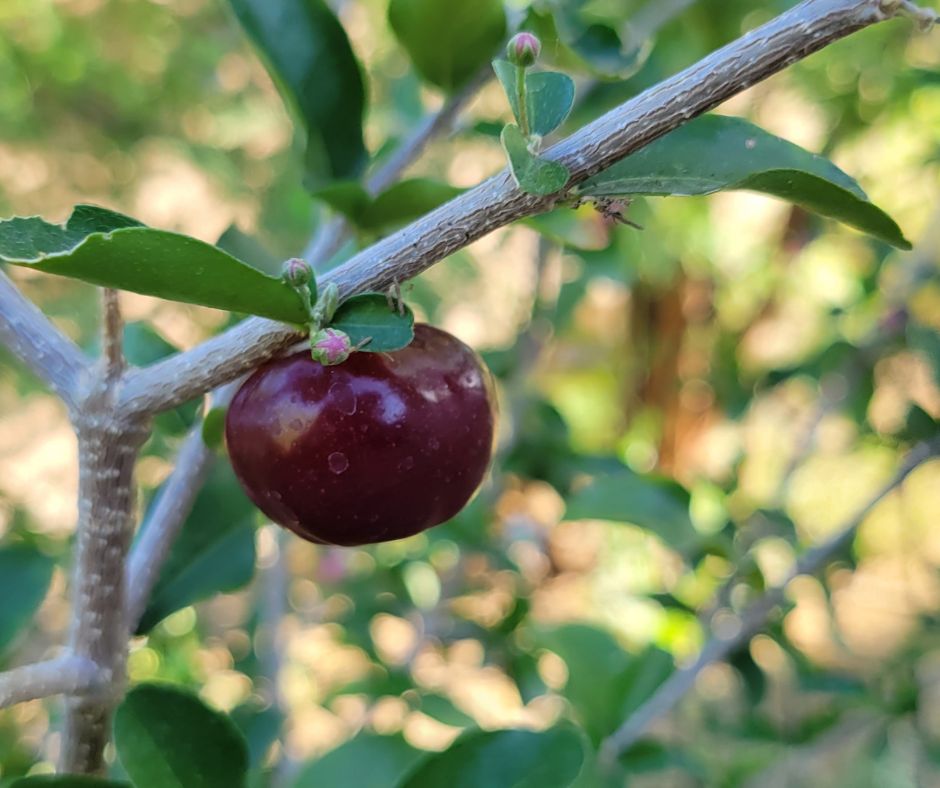
A hot weather alternative to standard cherries is the Barbados Cherry which grows as an evergreen shrub.
Dehydrated cherries bring a perfect balance of sweetness and chewiness to any dish.
9. Apricots – Velvety and Sweet
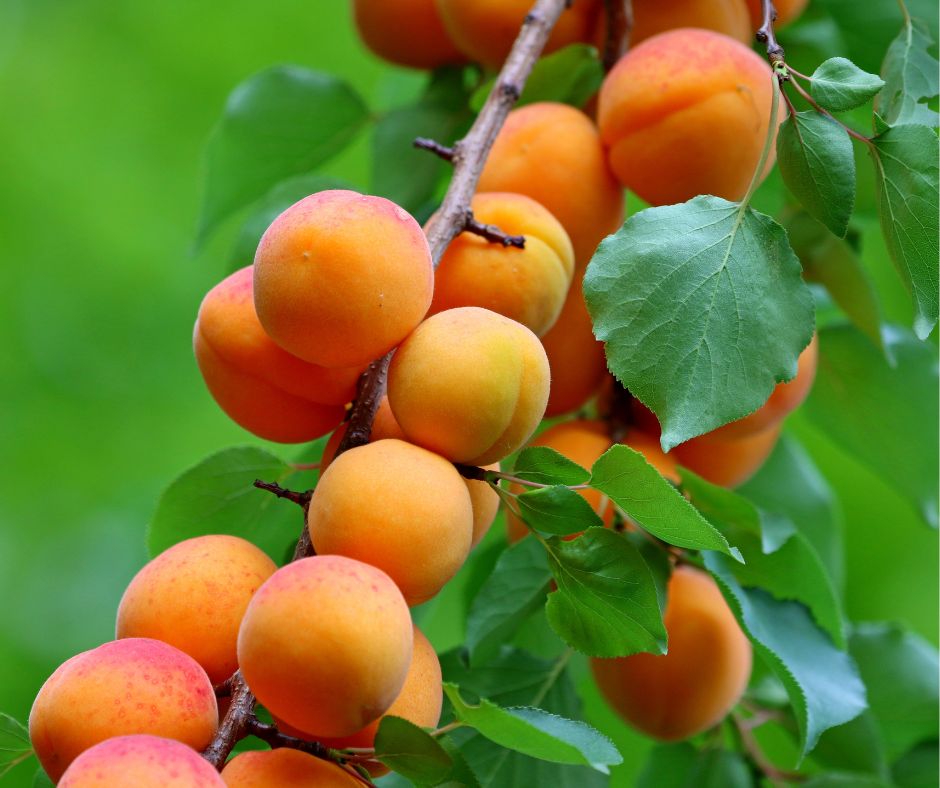
Apricots are known for their soft, rich texture and sweet-tart flavor that intensifies as they dehydrate. They are a must-try for home gardeners and snack enthusiasts.
Why Grow Apricots?
Dehydrated apricots make a nutrient-packed snack loaded with vitamins and fiber.
The fruit’s texture holds up well during the drying process.
Thrives in warm, sunny climates, making it easy to grow in many regions.
Growing Tips:
Plant in areas with good air circulation and full sun.
Thin the fruit when young for larger, better-quality harvests.
Harvest apricots when they’re firm but slightly soft for perfect drying.
Dehydrated apricots are perfect for trail mixes, energy bars, or simply as a satisfying snack.
10. Plums – The Source of Prunes
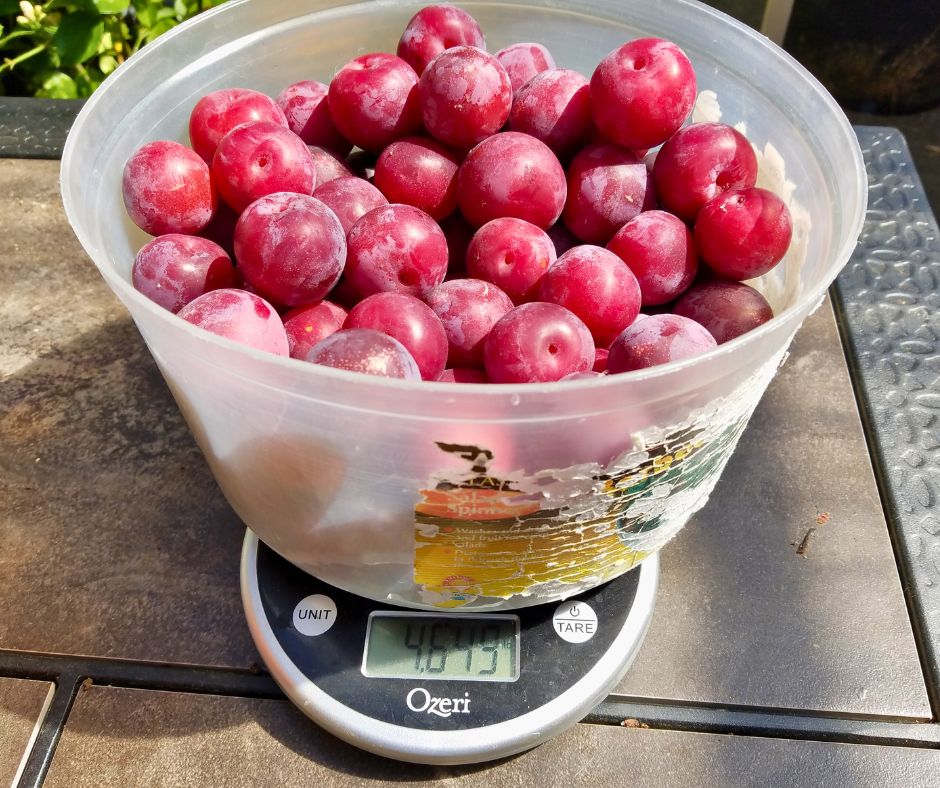
Plums are not only delicious when fresh but make for amazing dehydrated snacks in the form of prunes. They’re naturally sweet and chewy, making them a perfect healthy treat.
Why Grow Plums?
High sugar content creates naturally sweet dried prunes.
A wide variety of plum types suit different climates and tastes.
Plums store well when dried, allowing for long-term use.
Growing Tips:
Choose a sunny location with well-drained soil.
Keep an eye out for pests like aphids or plum curculio.
Harvest when the fruit is firm and aromatic for the best dehydration results.
Dehydrated plums, or prunes, are perfect for snacking and are a great source of natural energy.
Tips for Dehydrating Fruits
Once you’ve harvested your fruits, it’s time to prepare them for dehydration! Follow these basic steps for the best results:
Wash and prep your fruits to remove impurities.
Slice fruits evenly for consistent drying—thinner slices work best.
Use a dehydrator set at 135°F to 145°F or your oven on the lowest setting.
Dry fruits until they’re chewy.
Let your fruit cool before storage.
Store in an airtight container to keep the freshness locked in.
The COSORI Food Dehydrator is pretty versatile. It’s great for jerky, dog treats, herbs, meat, fruit, and yogurt. It’s made of stainless steel and has produced consistent results for all of my drying projects.
Creative Ways to Use Dehydrated Fruits
The possibilities are endless! Try these ideas:
- Add to trail mix or granola for a snack boost.
2. Incorporate into baked goods, like muffins or cookies.
3. Rehydrate for soups, stews, or sauces.
4. Use as cocktail garnishes for something extra fancy.
5. Blend into smoothies for added sweetness without sugar.
Start Your Growing and Dehydrating Journey Today
Dehydrating fruits is a simple, effective, and delicious way to enjoy your harvest year-round. By growing your own apples, grapes, berries, bananas, or peaches, you’ll not only save money but also elevate your snacking game with fresh, homegrown produce.
Why not take the plunge and try dehydrating some fruit this season? Start small, experiment with your favorite flavors, and grow your way to a pantry stocked with sweet, healthy treats. Your future self will thank you!
Visit the Garden Resources page for supplies and inspiration. Don’t forget to subscribe to the Calendula’s Garden Newsletter for more gardening tips.
Calendula’s Garden is reader supported. When you buy through links on our site, we may earn an affiliate commission. As an Amazon Associate, I earn from qualifying purchases. For more information, view our Disclaimer page. Thank you!